 |
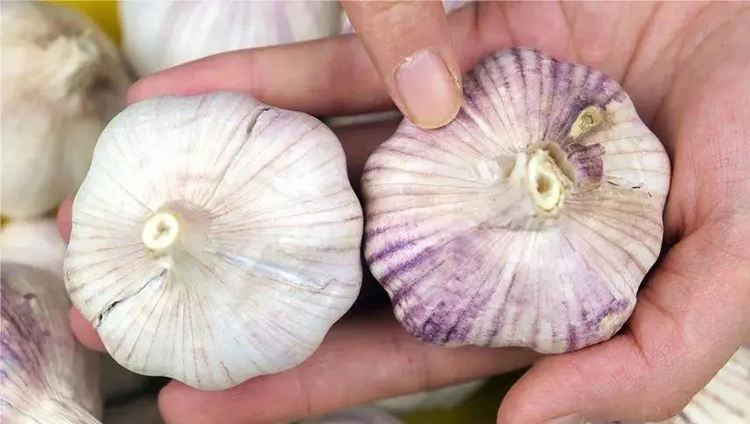
Garlic, cited by WebMD as a primary cause of bad breath, along with onions and spring onions, contains sulfur compounds that create unpleasant breath. These compounds remain in the mouth, are absorbed into the bloodstream, and are then exhaled. Sulfur can also stick to teeth, contributing to plaque and bacterial buildup. The lingering smell of garlic is difficult to remove even with brushing and mouthwash, so it is best to avoid it in the morning.
 |
Sugary pastries are a preferred food source for bacteria that cause bad breath. When these bacteria consume sugary food remnants, they generate sulfur compounds, leading to halitosis. Sugar also reduces saliva flow, resulting in dry mouth. Saliva is essential for cleansing the mouth and eliminating odor-producing bacteria.
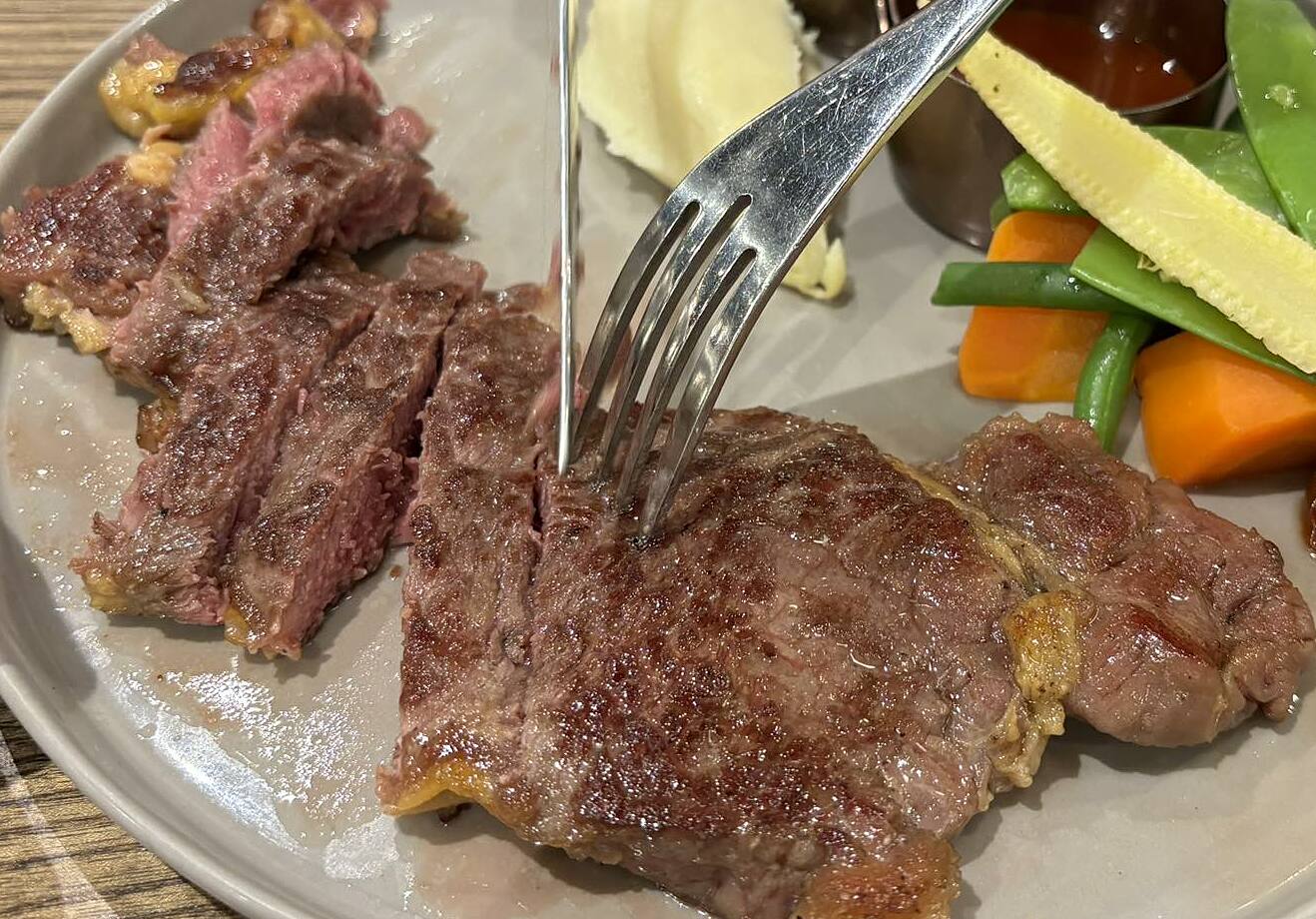 |
Beef, a protein-rich food, can contribute to bad breath. According to Eating Well, when the body uses protein for energy, a process known as ketosis, it produces ammonia gas and other unpleasant compounds in the mouth. Additionally, small meat fibers can become lodged between teeth, serving as food for bacteria. These bacteria break down the leftover food, releasing strong-smelling amino acids that cause odor.
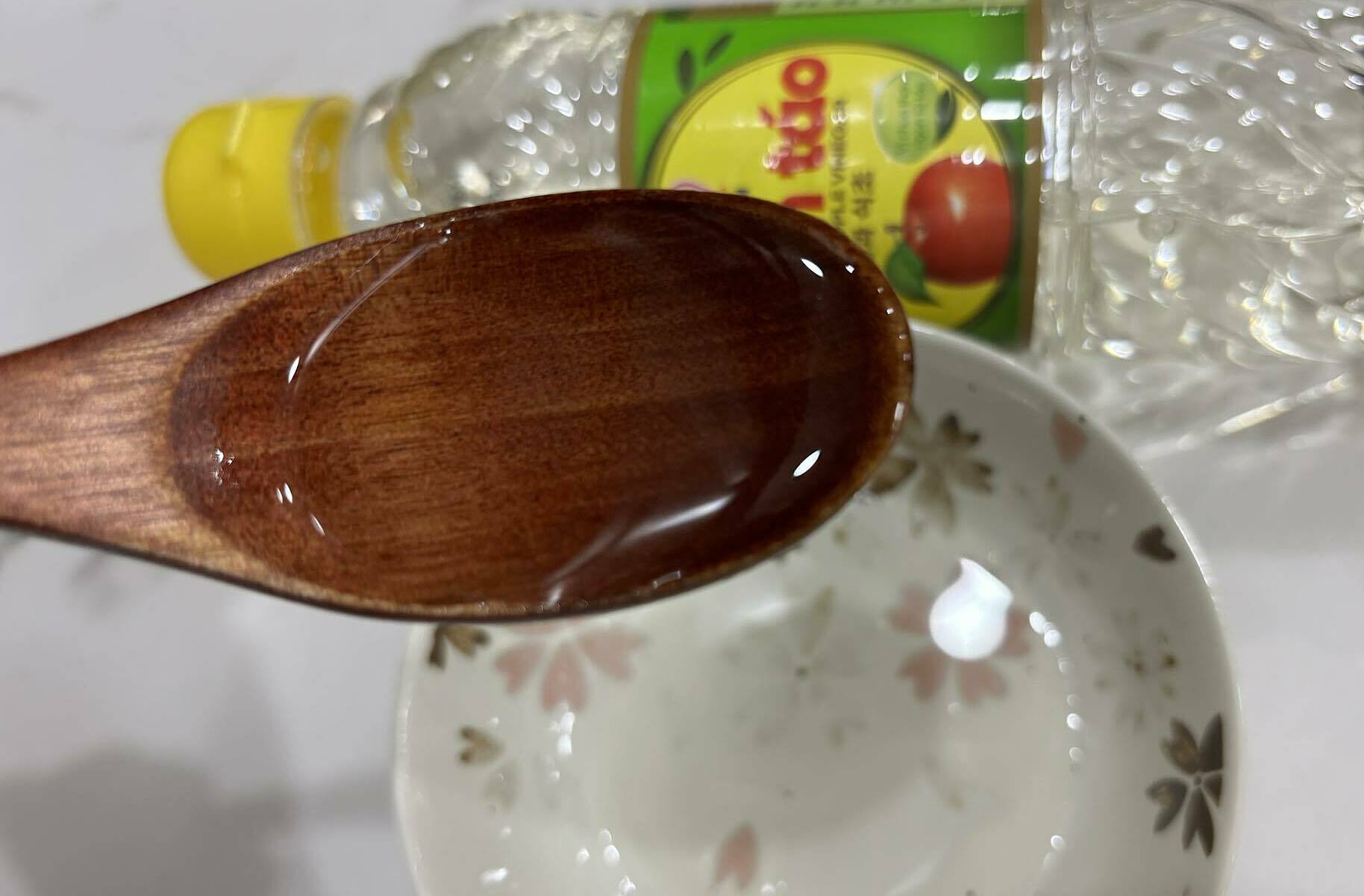 |
Vinegar, being acidic, contributes to bad breath by increasing the mouth's acidity, which fosters bacterial growth. Consuming vinegar in the morning may also cause stomach discomfort, acid reflux, or odors to rise into the throat and mouth, resulting in discomfort all day.
By Anh Chi
Photo: Anh Chi