High blood pressure often develops without noticeable signs. Most individuals affected show no symptoms, though in rare instances, headaches, blurred vision, or chest pain may indicate the condition.
The British Heart Foundation warns millions in the UK face this "silent killer." An estimated 16 million Britons live with high blood pressure, yet nearly 5 million are unaware of their condition. This elevates the risk for severe medical events like stroke, heart attack, and kidney failure.
Even a small reduction in blood pressure is enough to mitigate these dangerous risks, and positive lifestyle changes can yield significant results. While symptoms like headaches or chest pain may occasionally occur, the National Health Service (NHS) emphasizes that the only way to detect the condition is through regular blood pressure checks.
Several factors can increase the risk of developing the condition, primarily stemming from daily habits such as:
Excessive salt consumption
To manage blood pressure, the NHS advises against high salt intake, urging individuals to limit salty foods and reduce the habit of adding extra seasoning to meals.
The maximum daily intake for an adult is no more than 6 g of salt, equivalent to about one level teaspoon. This amount includes both salt naturally present in foods and seasoning added during cooking or at the table.
In reality, most of the sodium consumed is already present in foods before purchase. This often leads to unknowingly consuming more salt than anticipated.
Beyond well-known salty items like microwave meals, takeaways, and crisps, many other common foods also contain surprisingly high salt levels. According to the British Heart Foundation, this group includes: cheese, breakfast cereals, canned soups, various breads, pastries, and pizza. Even common biscuits, processed meats such as sausages, bacon, and ham, along with condiments like ketchup, soy sauce, or gravy, are very high in salt.
Poor sleep quality
Interrupted or shallow sleep is closely linked to high blood pressure. According to Blood Pressure UK, studies indicate that individuals who struggle with sleep have a significantly higher incidence of hypertension.
Sleeping under five hours each night, chronic insomnia, or restless sleep can all trigger an increase in blood pressure. This effect is most pronounced in women compared to men, especially during middle age.
Experts advise maintaining a consistent bedtime and establishing a relaxing routine before bed. Additionally, reducing caffeine intake late in the day and limiting screen time from phones and computers before sleep can promote deeper, more complete rest.
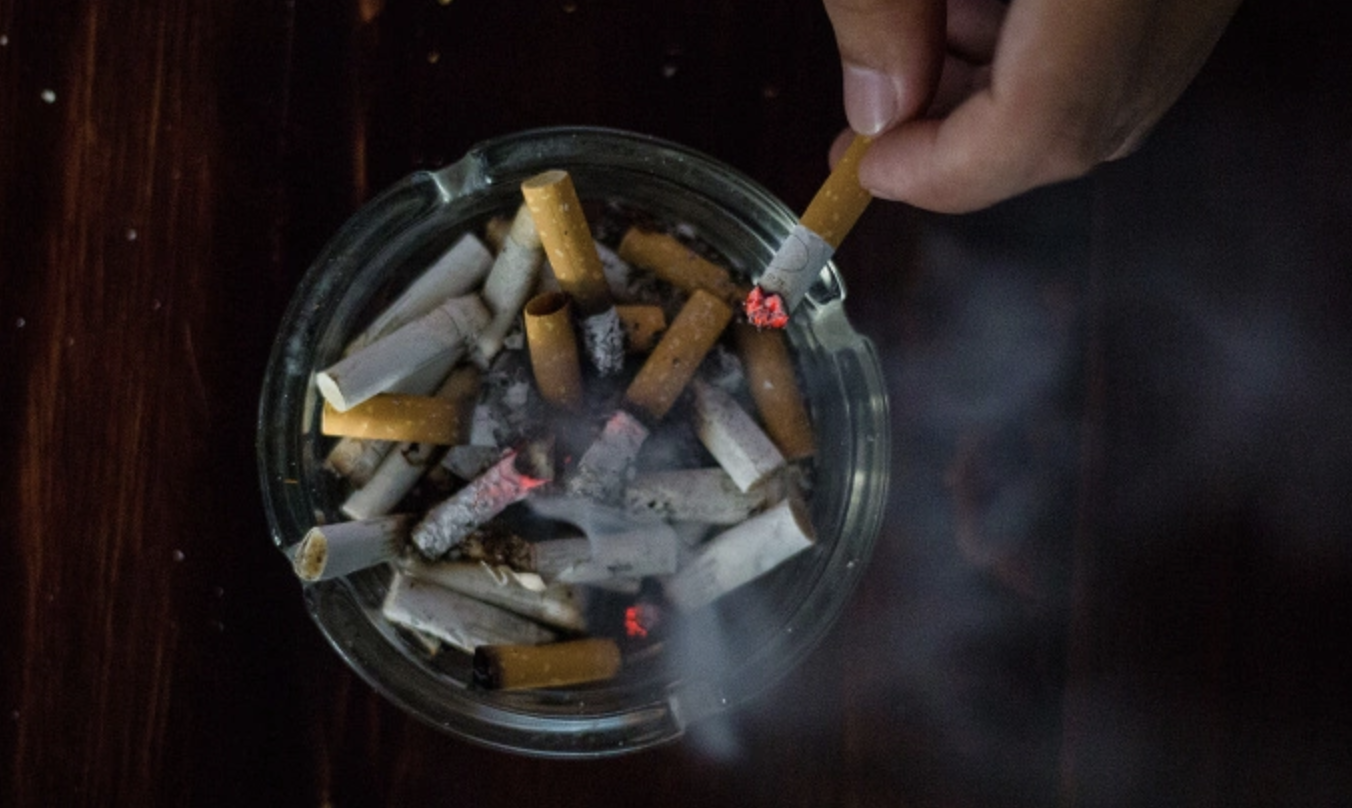 |
To protect blood pressure, health authorities strongly advise against smoking. Illustration: Thanh Nguyen
Tobacco smoke
To protect blood pressure, health authorities strongly advise against smoking. The NHS Better Health system currently offers free support tools to help the community lose weight, increase physical activity, quit smoking, and reduce alcohol intake to bring blood pressure to a safe level.
Each lit cigarette causes an immediate surge in blood pressure and heart rate. In the long term, harmful chemicals in tobacco smoke adhere to blood vessel walls, causing blockages and gradually narrowing the space for blood flow.
Alcohol abuse
The NHS specifies that for stable blood pressure, individuals should not consume excessive alcohol and should avoid regularly exceeding 14 units of alcohol per week.
The British Heart Foundation notes that while risks like high salt intake, inactivity, or obesity are widely recognized, the harms from alcohol consumption are often underestimated.
Alcoholic beverages can paralyze blood pressure-regulating receptors in the brain, causing the body to lose its adaptive response to changes in blood pressure, leading to chronic high blood pressure. Additionally, alcohol contains a high caloric density, which can easily lead to weight gain and obesity – another leading contributor to elevated blood pressure.
My Y (According to Express)