A child who received flu and pneumococcal vaccines yesterday can still receive the meningococcal vaccine today, provided their health is stable and there are no acute illnesses requiring deferral. Administering vaccines in close proximity does not reduce their protective efficacy. If given during the same session, the vaccines will be administered at different sites.
Given the child's exposure to a meningococcal case, parents should provide the doctor with clear details. This includes the time and extent of exposure, recently administered vaccines, current medications, and the child's present health condition. The doctor will conduct a screening examination and advise on an appropriate vaccination schedule.
Beyond vaccination, children with close contact to someone with meningococcal disease require health monitoring. They should also follow health agency guidelines for post-exposure prophylaxis. If symptoms such as fever, headache, vomiting, stiff neck, purpuric rash, or any unusual signs appear, the child needs an early medical examination.
Family members who have had close contact with the child should also consult a doctor for vaccination against the disease and implement other preventive measures.
 |
A student is brought by her mother to VNVC Nha Be, Ho Chi Minh City, for a meningococcal vaccine after a case was reported at her school. Photo: Binh An
Meningococcal disease is a dangerous acute bacterial infection. It can rapidly lead to blood poisoning (septicemia) and meningitis, with the potential to cause outbreaks.
The meningococcal bacterium is enveloped by a capsule containing toxins, producing endotoxins at a rate 100 to 1,000 times higher than other bacteria. These bacteria often reside in the human nasopharynx, carried by asymptomatic individuals. Statistics show that the carrier rate is 25% and can increase up to 50% during outbreaks.
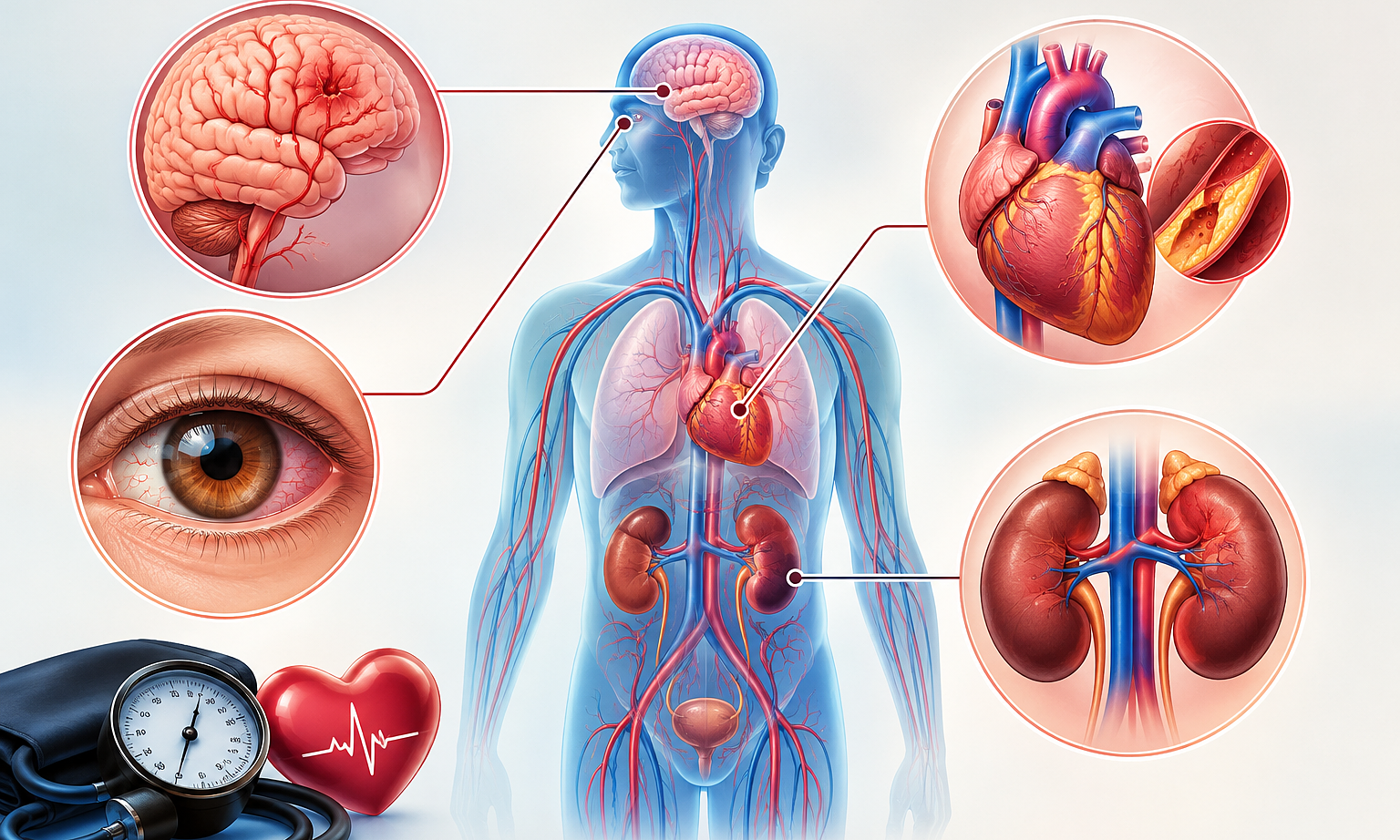
Upon entering the body, meningococcal bacteria produce a concentrated amount of toxins. These toxins damage blood vessels, destroy vessel walls, and lead to multi-organ failure. The disease can cause death if not treated promptly. Among survivors, up to 20% experience lifelong sequelae such as limb amputation, intellectual developmental delay, deafness, paralysis, or other disabilities.
Meningococcal vaccination is a proactive and effective way to prevent the disease. There are 5 types of meningococcal vaccines available, providing comprehensive protection against the 5 common disease-causing serogroups: A, B, C, Y, W-135. These vaccines can be administered to both children and adults.
Specifically, the new generation meningococcal group B vaccine is for children from 2 months to adults aged 50. The group BC vaccine is for children from 6 months to 45 years old. The new generation meningococcal group A, C, Y, W-135 vaccines include two types: Menquadfi (US) and Nimenrix (Belgium). These are administered to children from 6 weeks old to adults of any age.
It is important to note that a single meningococcal vaccine only protects against the serogroups included in its composition. It does not provide cross-protection against other serogroups. For example, the meningococcal group B vaccine only protects against group B, with no effect against groups A, C, Y, W. Therefore, individuals need a combination of vaccines for full protection against the 5 serogroups, all of which can cause severe disease.
Dr. Huynh Tran An Khuong
Medical Specialist, VNVC Vaccination System
Readers can submit vaccine consultation questions here.