Eng English
China 中国人

Eng English
China 中国人
  • News
  • World
  • Business
  • Entertainment
  • Sports
  • Law
  • Education
  • Health
  • Lifestyle
  • Travel
  • Science
  • Digital
  • Automobiles
  • Trở lại Thể thao
  • Health
Monday, 19/10/2026 | 09:11 GMT+7

Diabetes in a 14-year-old Caused by Gene Mutation

Quang, 14, has diabetes despite no symptoms; gene testing revealed a mutation causing the disease.

Master of Science, Doctor Do Tien Son, from the Pediatrics Department at Tam Anh General Hospital Hanoi, recorded Quang as having grade one obesity and rapid weight gain during the summer vacation. Blood tests showed elevated fasting glucose and HbA1c (average blood sugar over two to three months). However, Quang did not exhibit typical symptoms of high blood sugar such as excessive thirst, frequent urination, weight loss, or fatigue.

Given that many relatives developed diabetes in their youth and middle age, the doctor recommended Quang undergo genetic testing for early-onset blood sugar disorders. Results confirmed Quang had monogenic diabetes MODY 2 (GCK-MODY) due to a GCK gene mutation.

MODY (Maturity-Onset Diabetes of the Young) is a group of monogenic diabetes types inherited in an autosomal dominant pattern, caused by mutations in a single gene related to pancreatic beta cell function. The disease typically begins in childhood, runs in families, and can be misdiagnosed as type one or type two diabetes.

Doctor Son examines Quang. Photo: Minh Vuong

Monogenic diabetes accounts for a small percentage of all diabetes cases, with causes and treatments differing from the common forms of the disease. Some MODY types lead to progressive hyperglycemia requiring medication, while others only cause mild hyperglycemia and do not necessitate blood sugar-lowering treatment.

GCK-MODY is a form of the disease caused by a GCK gene mutation. This gene encodes the enzyme glucokinase, an important component that helps pancreatic beta cells recognize glucose levels and regulate insulin secretion. In individuals with GCK-MODY, the pancreas still produces insulin but only increases secretion when blood glucose reaches higher levels. Fasting blood sugar is often slightly elevated and stable for a long time, without causing typical symptoms of hyperglycemia.

Doctors determined that Quang does not currently need blood sugar-lowering medication. The treatment goal is regular blood sugar monitoring and weight management. Children with obesity are at risk of co-occurring metabolic disorders, including type two diabetes.

Quang limits sugary drinks, snacks, processed foods, and fatty dishes. His meals prioritize green vegetables, fiber-rich foods, slow-absorbing starches, and high-quality protein sources such as eggs, fish, and meat, preferably boiled, steamed, or grilled instead of fried. Additionally, the child maintains daily physical activity and gets adequate sleep.

Doctors recommend that young people with elevated blood sugar or those with a strong family history of diabetes seek medical examination. Genetic testing can help identify the cause, enabling early detection and proactive health management.

Trinh Mai

Readers can send questions about children's diseases here for doctors to answer.
By VnExpress: https://vnexpress.net/dai-thao-duong-o-tuoi-14-do-dot-bien-gene-5133968.html
Tags: diabetes gene mutation blood sugar

News in the same category

Radical surgery for three malignant lung nodules

Radical surgery for three malignant lung nodules

Ms. Hoa, 54, discovered several suspicious lung nodules; three months after surgery, these were confirmed as three primary lung cancer sites in her right lung.

Mistaken for recurring sinusitis, a woman’s symptoms were actually nasopharyngeal cancer

Mistaken for recurring sinusitis, a woman’s symptoms were actually nasopharyngeal cancer

Ba Xinh, 57, experienced nasal congestion and ringing in her ears, initially believing it was a recurrence of sinusitis. Doctors later discovered a tumor completely blocking her nasopharynx and nasal cavity, compressing her airway.

What happens to the body with prolonged high blood pressure?

What happens to the body with prolonged high blood pressure?

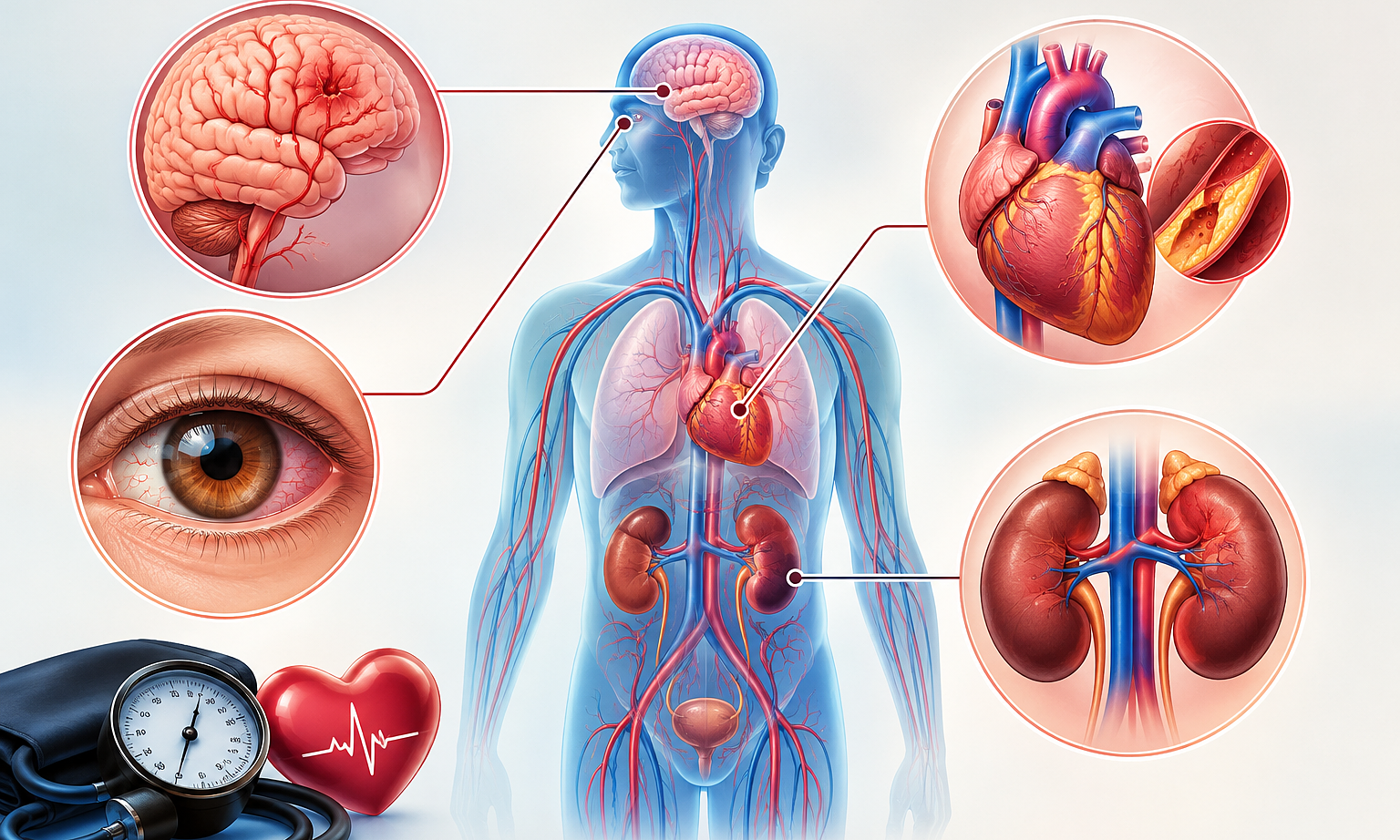
Prolonged high blood pressure can damage the heart, brain, kidneys, and eyes, leading to numerous complications even without clear symptoms.

Doctor likens hypertension patients to 'carrying a ticking bomb'

Doctor likens hypertension patients to 'carrying a ticking bomb'

Over 80% of treated hypertension patients fail to meet target blood pressure levels, increasing their risk of stroke and other cardiovascular events.

Culprits keeping you from sleeping soundly through the night

Culprits keeping you from sleeping soundly through the night

Waking up in the middle of the night can be linked to stress, bedroom environment, eating habits, or health issues that make it difficult for the body to maintain continuous sleep.

Multi-organ failure after consuming raw pork blood pudding

Multi-organ failure after consuming raw pork blood pudding

A 53-year-old man developed severe abdominal pain and low blood pressure after eating raw pork blood pudding, with doctors diagnosing a Streptococcus suis infection leading to multi-organ failure.

Why your skin bruises easily

Why your skin bruises easily

Skin that bruises easily, even from minor impacts, can be linked to aging, medication side effects, nutritional deficiencies, or abnormalities in platelets and blood clotting.

4 dietary approaches to reduce bad breath

4 dietary approaches to reduce bad breath

Eating fresh fruits and vegetables, incorporating probiotic-rich foods, maintaining regular meals, and limiting onions and garlic can help alleviate unpleasant breath odor.

When should surgery for undescended testicles be performed on children?

When should surgery for undescended testicles be performed on children?

My 8-month-old child was diagnosed with a unilateral undescended testicle. Can children of this age undergo surgical treatment? (Thanh Huong, TP HCM)

6 neurological conditions causing lip twitching

6 neurological conditions causing lip twitching

Lip twitching often occurs due to damage to the 7th cranial nerve or facial nerve, heavy alcohol consumption, or prolonged stress.

Eng English
China 中国人
  • News
  • World
  • Business
  • Entertainment
  • Sports
  • Law
  • Education
  • Health
  • Lifestyle
  • Travel
  • Science
  • Digital
  • Automobiles
FPT Tower, 10 Pham Van Bach Street, Dich Vong Ward,
Cau Giay District, Hanoi, Vietnam
Email: contacts@vnportal.net
Tel: 028 7300 9999 - Ext 8556
Advertise with us: 090 293 9644
Register
© Copyright 2026 vnnow.net. All rights reserved.
Terms of use Privacy policy Cookies