Melanin, produced by melanocytes, determines skin, hair, and eye color. Prolonged exposure to sunlight, pollution, or chronic inflammation can increase melanin production as a protective response. However, excessive melanin synthesis can lead to dark spots, melasma, and freckles.
Pharmacist Do Xuan Hoa from the Medical Information Center, Tam Anh Ho Chi Minh City General Hospital (TP HCM), states that incorporating certain nutrients into one's daily diet can inhibit melanin formation, promoting an even and naturally brighter skin tone.
Antioxidants: Oxidative stress is a factor that promotes melanin overproduction. Antioxidant compounds neutralize free radicals, thereby limiting signals that stimulate melanin pigment production.
Antioxidant compounds are abundant in red pomegranate, tomato, strawberry, grape, blueberry, and dark leafy green vegetables. Specifically, punicalagin and flavonoids from red pomegranate, and lycopene from tomato, are known for their ability to protect skin from UV radiation.
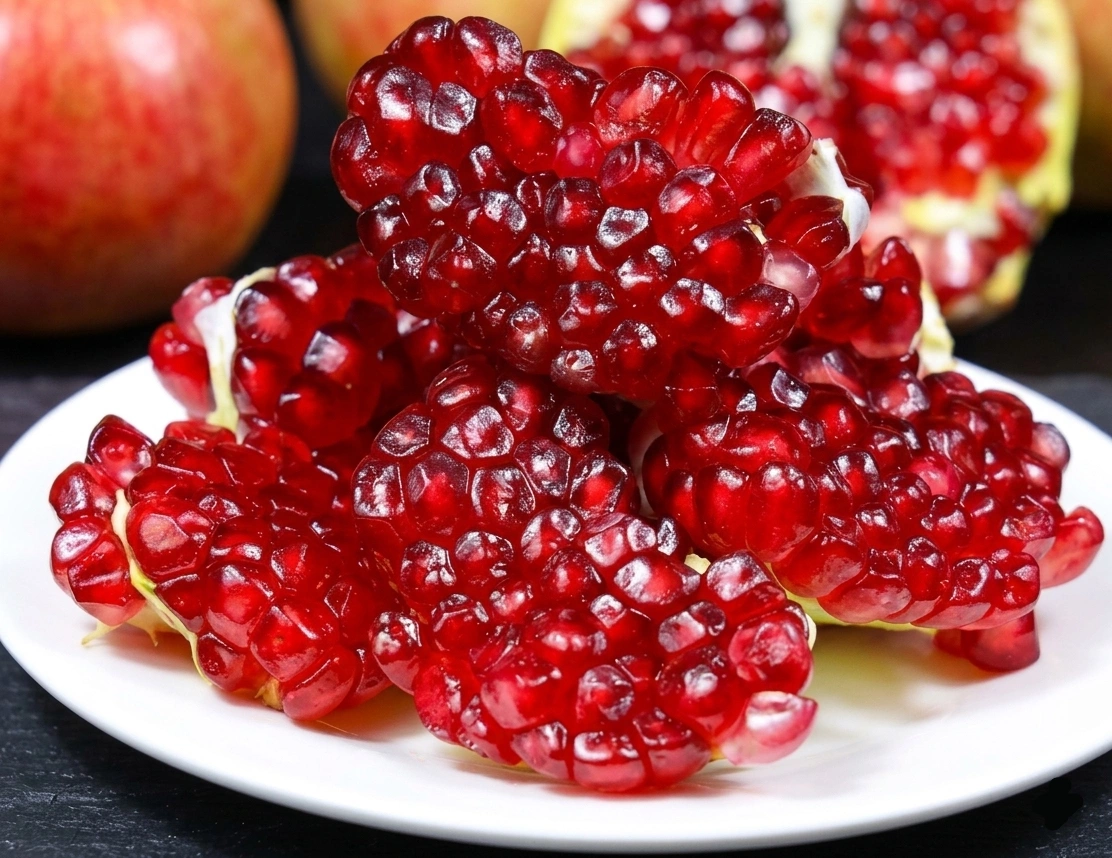 |
Red pomegranate can help inhibit melanocyte activity, reducing melanin formation. Photo: Dinh Dieu |
Vitamin C: UV radiation intensifies the activity of tyrosinase, an enzyme involved in melanin formation. This leads to increased melanin synthesis, causing melasma, freckles, and skin darkening. Vitamin C inhibits tyrosinase, reducing melanin formation and helping to improve skin pigmentation.
This vitamin also participates in collagen synthesis, protecting and restoring skin after sun exposure, maintaining skin elasticity and a healthy glow. Fruits such as orange, lemon, guava, strawberry, kale, and broccoli are rich sources of vitamin C.
Vitamin A: The group of vitamin A derivatives, including vitamin A and its natural or synthetic forms, can inhibit tyrosinase activity. They interfere with melanin production, fading melasma, dark spots, and hyperpigmentation, while also slowing the aging process. Vitamin A is plentiful in carrot, pumpkin, tomato, papaya, potato, sweet potato, and mango.
Vitamin E: A potent antioxidant, vitamin E protects cell membranes from UV damage, provides deep hydration, and offers anti-aging benefits. This nutrient helps improve hyperpigmentation and uneven skin tone, contributing to healthier, smoother skin. Vitamin E is commonly found in avocado, raspberry, and various nuts.
Pharmacist Hoa recommends scientific skincare, including proper cleansing, exfoliating 2-3 times each week, getting adequate sleep, limiting stress, and exercising regularly. Individuals with severe and widespread hyperpigmentation should consult a Dermatology department to identify the cause and receive appropriate treatment. Regular supplementation with essences such as sakura (cherry blossom extract), pomegranate (red pomegranate extract), grape seed, and p.leucotomos (from fern) also helps deactivate tyrosinase, aiding in melanin formation control, reducing dark spots and hyperpigmentation, and protecting skin from sun and environmental impacts.
Dinh Dieu
| Readers can submit questions about dermatological conditions here for doctors to answer. |