Rich in protein, fiber, healthy fats, vitamins, and minerals, nuts are not just tasty snacks but also powerful allies in stabilizing blood pressure and protecting the heart.
Here are four types of nuts you should add to your daily diet to improve cardiovascular health:
Almonds
Almonds are a rich source of fiber and plant protein – two key nutrients that help reduce the risk of hypertension.
One ounce (about 28 g) of almonds provides 18-25% of your daily magnesium needs. Science has shown a link between a magnesium-rich diet and a reduced risk of high blood pressure.
This nut provides about 50% of the daily vitamin E requirement. As an antioxidant, vitamin E helps prevent free radicals from damaging cells and contributing to heart disease.
Studies indicate that almond consumption can reduce diastolic blood pressure (the bottom number in a blood pressure reading).
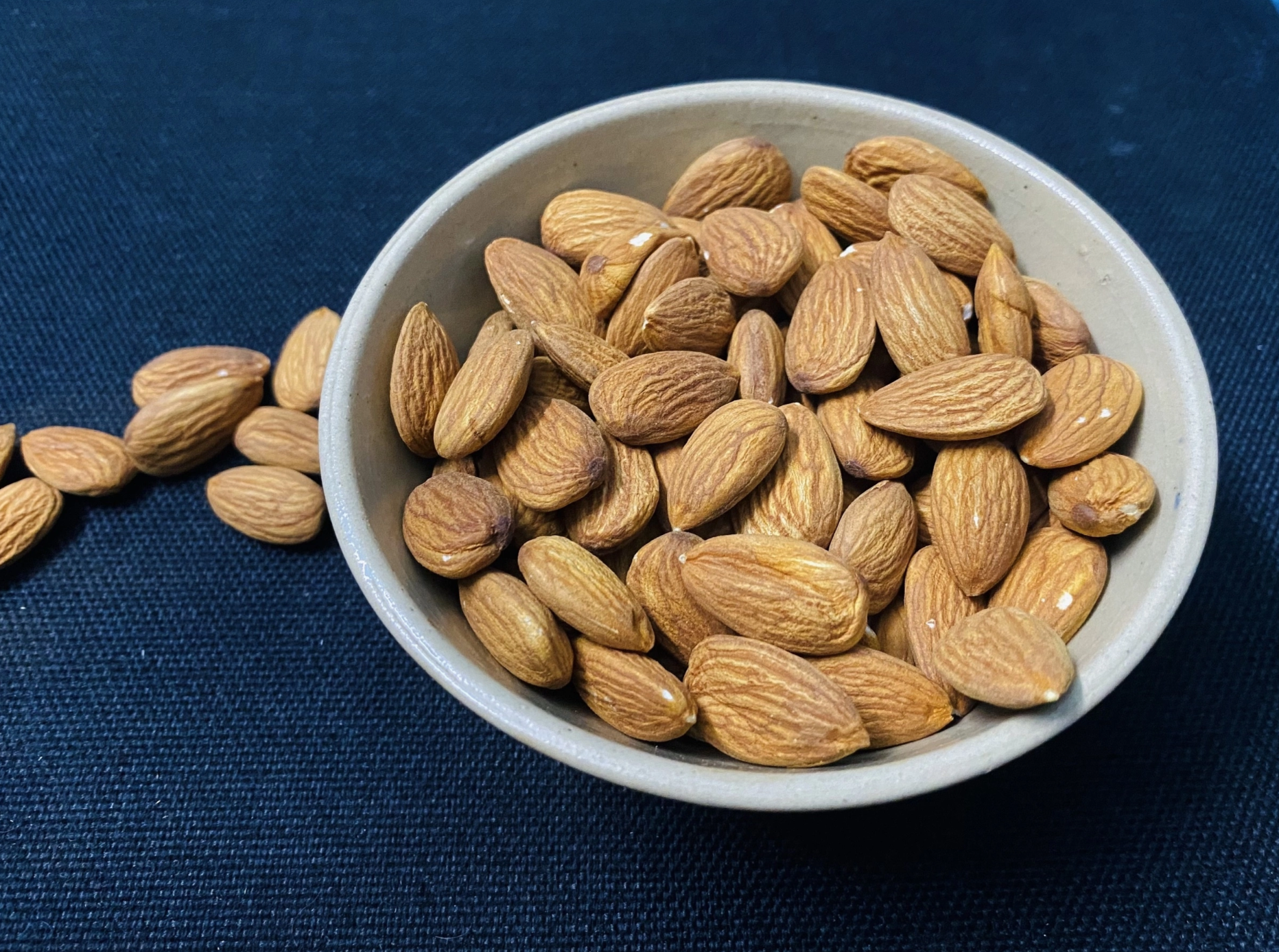 |
Almonds are a rich source of fiber and plant protein – two key nutrients that help reduce the risk of hypertension. Photo: Mai Cat |
Almonds are a rich source of fiber and plant protein – two key nutrients that help reduce the risk of hypertension. Photo: Mai Cat
Walnuts
Beyond protein and fiber, walnuts are particularly rich in polyunsaturated fats (the "good" fats). Just 28 g of these nuts contain 13,4 g of healthy fats, including omega-3 and omega-6.
Omega-3 helps lower triglyceride levels (blood fats) and stabilize heart rate, while omega-6 supports blood sugar control. Both contribute to lowering blood pressure. Some research shows that eating walnuts helps control overall blood pressure more effectively, especially systolic blood pressure (the top number).
Pistachios
Don't let their small size deceive you; pistachios are a nutritional "treasure trove" for the cardiovascular system.
These nuts contain beta carotene, lutein, zeaxanthin, and vitamin C, which help reduce oxidative stress, thereby supporting blood pressure regulation.
One serving of pistachios provides about 8-11% of the daily potassium requirement. Potassium helps relax blood vessels and eliminate excess sodium (salt) from the body – two crucial factors for improving blood pressure readings.
Brazil nuts
Brazil nuts are large and contain extremely high levels of selenium. Just a single nut provides 68-91 micrograms of selenium.
In moderate doses, selenium helps reduce inflammation and supports cardiovascular health. A 2024 study found a link between adequate selenium intake and a reduced risk of high blood pressure.
However, you should not consume more than 400 micrograms of selenium per day (equivalent to not eating more than 4-5 Brazil nuts daily) to avoid side effects.
By My Y (Source: Health)