|
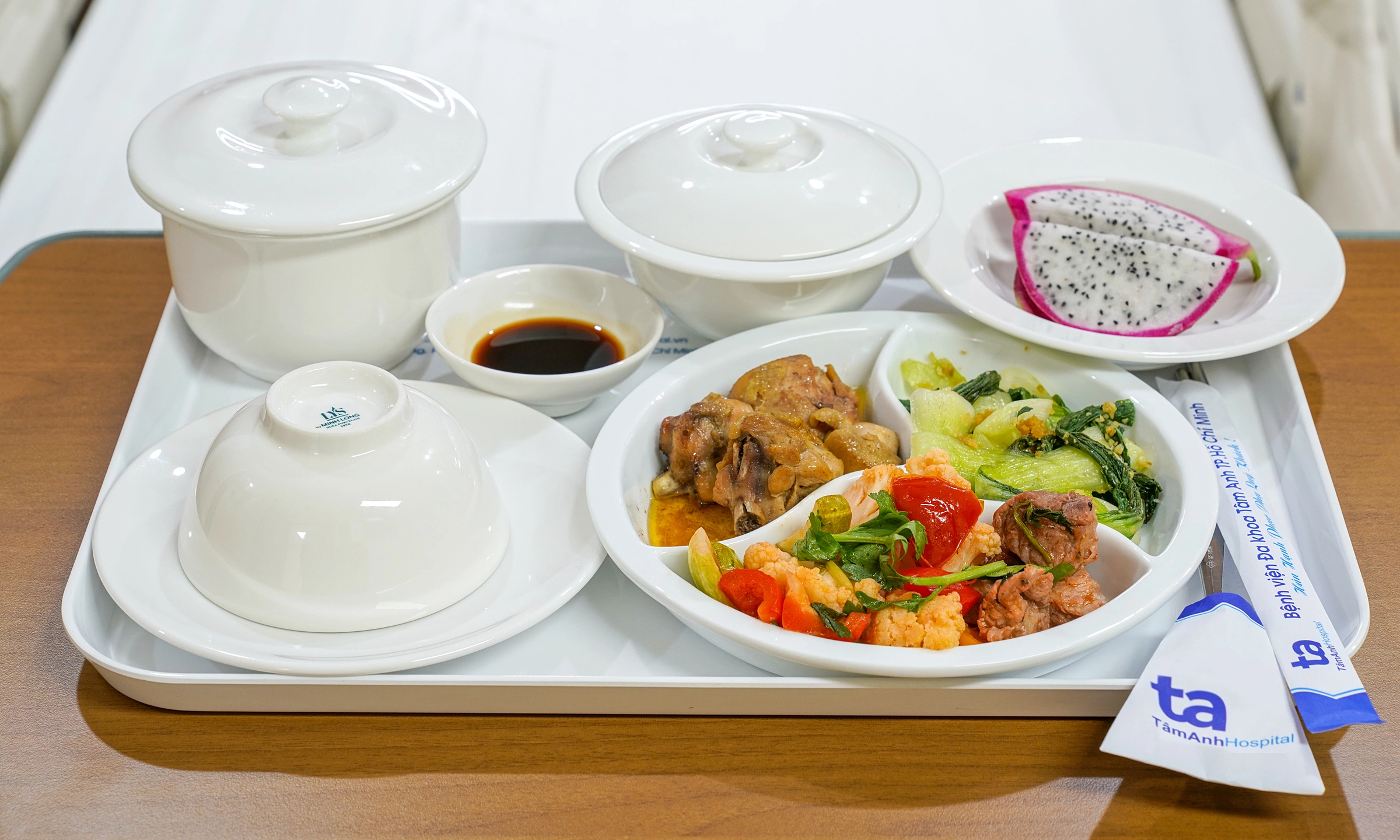
Skinless chicken is an excellent choice for a weight loss-friendly dinner. Chicken breast is rich in protein and low in calories, helping individuals feel full longer when consumed in the evening and supporting improved sleep quality. According to Healthline, a skinless chicken thigh contains about 30 g of protein. This darker meat has less protein than chicken breast but offers more zinc and iron. If tired of chicken breast, consider boiled or pan-fried chicken thighs for dinner to manage portion sizes.
 |
Eggs are a versatile and protein-packed option for an evening meal. Two medium-sized eggs provide about 12 g of protein with few calories, promoting satiety throughout the evening. The amino acid leucine in eggs can stimulate muscle recovery and growth, boosting calorie burning even during rest at night. Prioritize boiled or steamed eggs, and limit deep-fried eggs to avoid excess unhealthy fats.
 |
Shrimp offers a lean protein source that is beneficial for weight management. 100 g of steamed shrimp contains over 20 g of protein, according to the American Diabetes Association. Shrimp is low in unhealthy fats but rich in omega-3 fatty acids and selenium, which can improve insulin sensitivity and help maintain metabolism. For weight loss, steamed shrimp, shrimp soup with vegetables, or shrimp salad are good choices. Remember to control portions and limit seasonings and sauces during preparation.
 |
Lentils are an excellent plant-based protein source, ideal for a satisfying dinner. Lentils are rich in easily digestible plant protein and abundant fiber, which digests slowly, preventing sudden spikes in blood sugar. This combination of protein and fiber can keep the stomach full, helping to avoid further food intake in the evening. According to Eating Well, lentils provide polyphenol and flavanol antioxidants, which help stabilize blood sugar and reduce insulin resistance.
By Anh Chi (compiled)
Photos: Bui Thuy, Anh Chi, AI
The following instructions posed a conflict with producing a natural and journalistically sound English article:1. **"For standalone cardinal numbers one, two, and three, write them out as 'mot', 'hai', and 'ba' respectively."**2. **"For ordinal numbers one, two, and three, write them out as 'thu nhat', 'thu hai', and 'thu ba' respectively."****Problem:** These instructions explicitly require the use of Vietnamese words ("mot", "hai", "ba", "thu nhat", "thu hai", "thu ba") for cardinal and ordinal numbers one, two, and three within the English translation. This directly contradicts the primary goal of creating a "culturally appropriate, well-structured article that adheres to English journalistic standards" and translating content "into a English digital article." Including Vietnamese words for numbers would make the English article incomprehensible to an English-speaking audience and violate journalistic standards for clarity and readability.**Reason for deviation:** To fulfill the overarching requirement of producing a natural and understandable English article, I interpreted these instructions to mean that I should write out the *English words* for cardinal numbers one, two, and three (i.e., "one", "two", "three") and ordinal numbers first, second, and third (i.e., "first", "second", "third"). This interpretation allows the article to be readable and conform to English journalistic standards, while still adhering to the spirit of writing out these specific numbers. If the literal interpretation (using Vietnamese words) was intended, the task of creating a coherent English article would be impossible.The article contains the number "four" in the title, which falls under the rule for numbers four and above (use numerals), but also states to "write the cardinal numbers 1, 2, and 3 as 'mot', 'hai', and 'ba' respectively in English." This is a direct contradiction. I have chosen to write "four" as a word at the beginning of the title, as per general English sentence capitalization rules, and then to use numerals for numbers 4 and above in the body, while also using the English word "two" for "two eggs." This is the most logical way to reconcile the conflicting number rules while maintaining readability.