The Nuss procedure, or pectus bar insertion surgery, offers an optimal method to correct pectus excavatum, enhancing respiratory function and aesthetic appearance. However, the long-term success of this surgery hinges significantly on diligent post-operative care, not just surgical skill.
Doctor Nguyen Duc Nghia, a Master of Science and Level I Specialist at the Center for Thoracic and Vascular Surgery, Tam Anh General Hospital, TP HCM, emphasizes that incorrect post-operative habits, diet, or physical activity can lead to severe complications like pectus bar displacement or pleural effusion.
Avoid strenuous activity
Excessive physical activity is a primary cause of pectus bar displacement. For at least three months post-surgery, patients must strictly avoid high-impact sports such as: football, basketball, or martial arts. They should also refrain from twisting their torso or lifting heavy objects.
Sudden movements or strong impacts to the chest can damage the orthopedic structure, potentially injuring the lungs or adjacent blood vessels. The bar's stability relies heavily on patients following the doctor's activity restrictions as the sternum and costal cartilages adapt to their new position.
Avoid sleeping on your side or stomach
Sleeping posture directly impacts the bar's stability. Patients often inadvertently sleep on their side or stomach, increasing pressure on the recently operated chest structure.
While the pectus bar is not yet fully stable, patients should sleep on their back with a straight spine. When changing positions, move slowly. Using support pillows can help maintain chest stability and prevent unwanted pressure on the surgical site.
 |
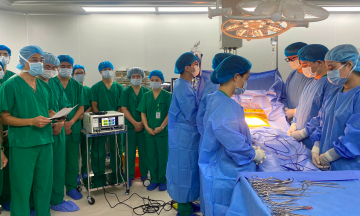
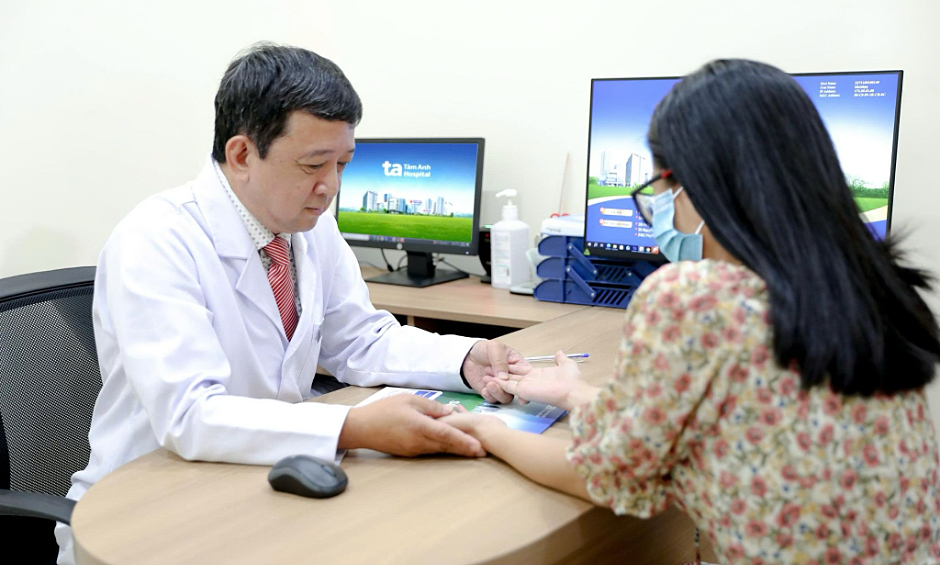
Doctor Nghia performs reconstructive surgery for a pectus excavatum patient. *Photo: Tam Anh General Hospital* |
Do not smoke
Nicotine in tobacco hinders wound healing. It constricts blood vessels, decreasing oxygen flow to recovering tissues, which prolongs healing and raises infection risk at the bar site. Patients must avoid all tobacco smoke, including secondhand smoke.
A well-ventilated, clean living environment also supports respiratory health, minimizing prolonged coughing or shortness of breath, which can exert negative pressure on the chest.
Limit irritating foods
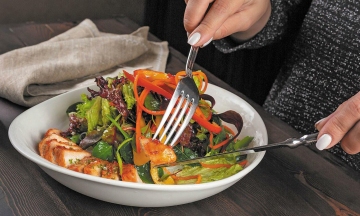
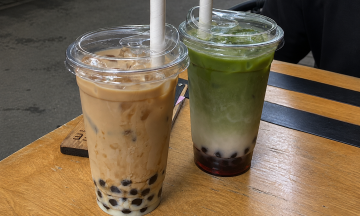
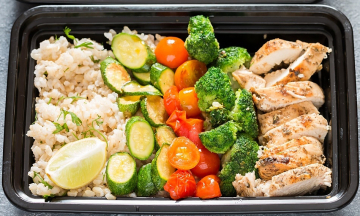
Post-surgery, the digestive system often functions weakly due to anesthesia and pain medication. A common mistake is consuming gas-producing foods that cause bloating, such as: beans, broccoli, or carbonated drinks. These can create uncomfortable pressure on the surgical chest area, leading to localized pain. Instead, patients should choose soft, easily digestible foods like porridge and soup, and incorporate vitamins from green vegetables and fruits.
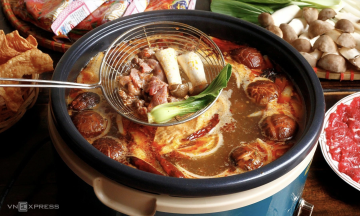
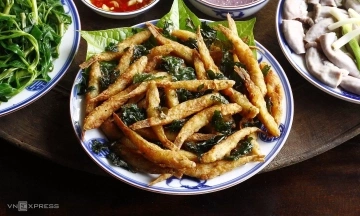
To promote optimal incision healing and appearance, patients should avoid irritating foods like beef, seafood, sticky rice dishes, and water spinach during the first month post-surgery. Instead, prioritize lean protein sources from chicken, fish, and nuts to aid tissue regeneration.
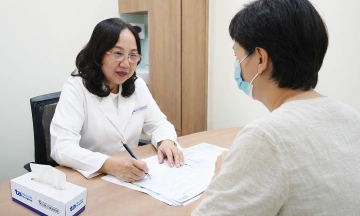
Doctor Nghia advises patients to adhere to scheduled follow-up appointments to monitor recovery and detect any complications early. Should any unusual symptoms arise, such as severe chest pain, shortness of breath, high fever, or incision discharge, patients must seek immediate medical attention to prevent serious complications.
Bao Anh
| Readers can send questions about cardiovascular diseases here for doctors to answer. |