Answer
The liver, the body's largest organ, performs many vital functions including filtering toxins, metabolizing carbohydrates, proteins, fats, and hormones, storing vitamins and iron, and synthesizing blood clotting factors.
Patients typically undergo partial liver resection for liver cancer or cancer that has metastasized to the liver. In some cases, patients with benign liver tumors such as hemangiomas, liver cysts, or intrahepatic bile duct stones may also have a portion of their liver removed, depending on their specific condition.
The liver is the only human organ capable of self-regeneration and recovering its size after partial removal or injury. Post-surgery, the liver naturally regenerates and rebuilds the resected portion, ensuring its basic functions are maintained. Healthy liver cells receive strong signals to divide and increase in size, compensating for the lost liver tissue.
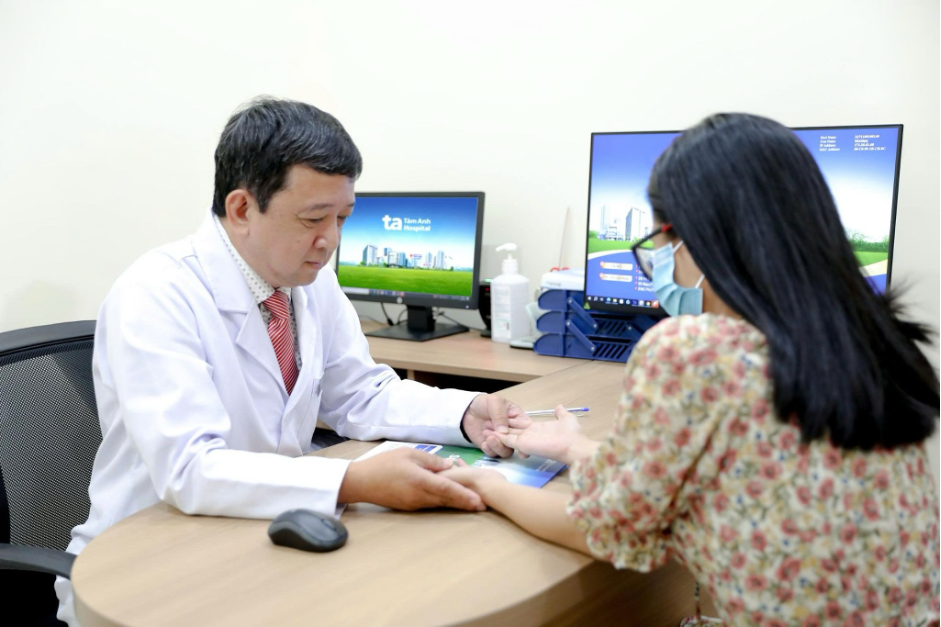 |
Doctor Minh consults a patient. Illustration: Tam Anh General Hospital |
Approximately four to six weeks post-surgery, CT scans can show the remaining liver beginning to regenerate, with its volume gradually increasing. After three to six months, the liver's volume can reach about 80-90% of its original size. While the regenerated portion may not have the same shape as before, liver function progressively recovers.
However, the extent of liver recovery varies depending on several factors, including age, the quality of the liver parenchyma (presence of fibrosis), liver damage from hepatitis B or C viruses, and the hepatic vascular system.
Each patient's recovery speed will differ. After surgery, patients should consume adequate nutrients, prioritizing protein-rich foods to accelerate recovery and new cell regeneration. Sufficient sleep, stress reduction, and gentle exercise also support overall health improvement.
Patients should take medication as directed by their specialist, adhering to antiviral treatments for hepatitis B and C. Patients must not self-medicate with unverified supplements or traditional medicine, as all substances entering the body are filtered by the liver, potentially causing further damage to an already weakened organ. Limiting alcohol, fatty foods, and processed foods also helps protect liver health.
Doctor Ho Si Minh
Head of Liver Tumor Unit, Department of Surgical Oncology
Oncology Center
Tam Anh General Hospital, Ho Chi Minh City