Morning after waking
According to Very Well Health, after waking, the body quickly transitions from a resting state to activity. The sympathetic nervous system activates, heart rate increases, and blood vessels tend to constrict. Concurrently, levels of certain hormones, such as cortisol and adrenaline, also change, contributing to a rise in blood pressure.
For many, this phenomenon is part of a normal circadian rhythm. However, an excessively high increase in the morning could be noteworthy, especially for individuals with hypertension or those at risk of cardiovascular disease.
If you consistently notice high blood pressure immediately after waking, you should monitor it on different days, recording the results for accurate assessment by a doctor.
During stress or anger
Blood pressure can temporarily rise when the body is stressed. During such times, the hormone adrenaline is released, causing the heart to beat faster, blood vessels to constrict, and blood pressure to increase. Therefore, a person might have normal blood pressure at rest, but their readings could significantly rise before a stressful meeting, during an argument, or when anxious.
 |
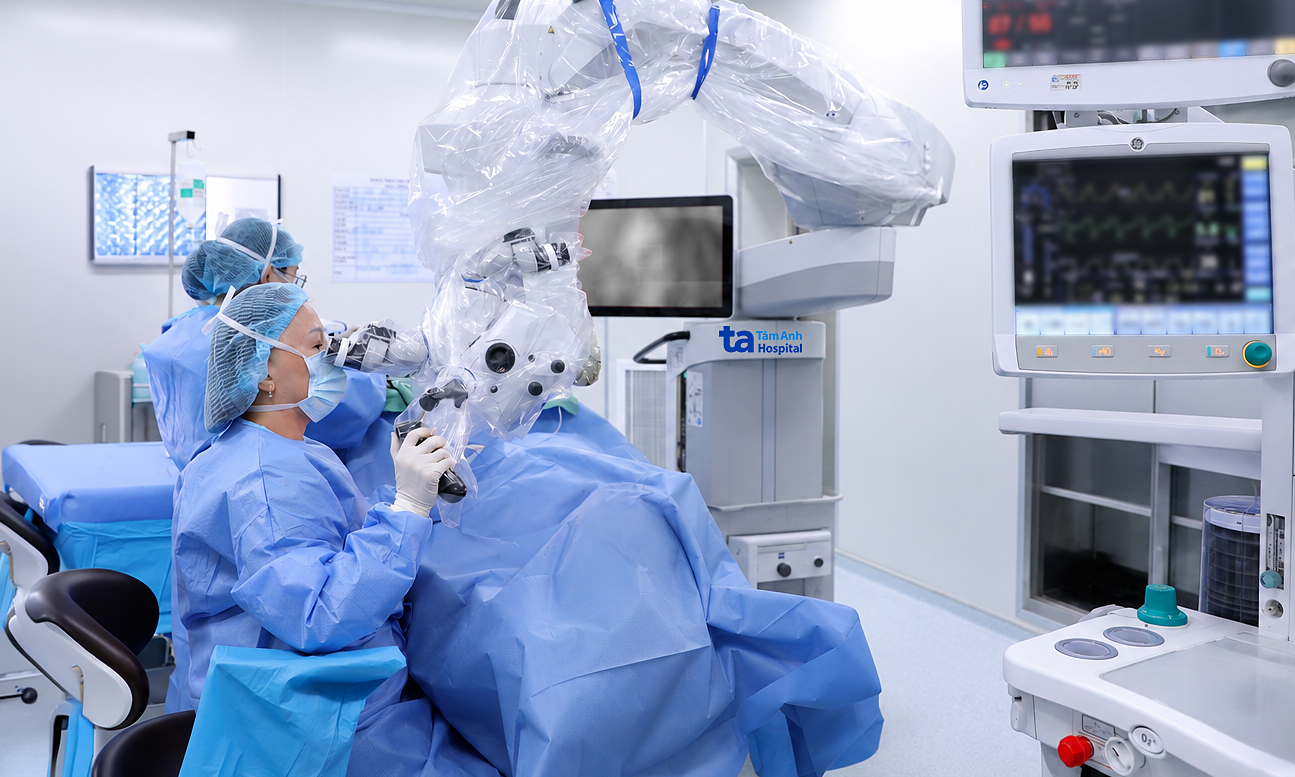
Regular blood pressure measurement can help detect hypertension. Photo: Tam Anh General Hospital |
During physical exertion or strenuous work
When walking briskly, running, climbing stairs, or lifting heavy objects, muscles require more oxygen, so the heart must pump blood more vigorously, leading to a temporary increase in blood pressure. This is a normal physiological response; readings typically decrease as the body rests. Blood pressure should not be measured immediately after exercise.
If you need to check your blood pressure at home, you should rest before measuring, and avoid exercise, smoking, and caffeine consumption for a period beforehand.
After caffeine consumption
According to Times of India, coffee, tea, and some caffeinated beverages can cause a temporary rise in blood pressure for certain individuals. The extent of this change depends on the amount of caffeine consumed and individual sensitivity.
Individuals who consume caffeine infrequently may notice a more pronounced change. Therefore, if you regularly drink coffee in the morning and then measure your blood pressure, the result might be higher compared to a measurement taken before caffeine consumption. This does not mean that individuals with hypertension must completely eliminate coffee. Everyone should monitor their body's reactions and consult a doctor if they consistently observe increased readings after consumption.
By Le Nguyen (Compiled)
| Readers can submit questions about cardiovascular disease here for a doctor's response. |