High cholesterol, medically known as hyperlipidemia or hypercholesterolemia, occurs when there are excessive lipids (fats) in the blood. This condition is closely associated with various medical issues, including serious problems like coronary artery disease, inflammatory diseases such as lupus, and high blood pressure. While blood tests are essential for diagnosis, high cholesterol often progresses silently, leading to significant health complications. Early recognition of its subtle signs can be crucial for protecting cardiovascular health and long-term well-being.
**Mild shortness of breath during daily activities**
Feeling fatigued and experiencing mild shortness of breath during routine tasks may indicate early arterial changes. As arteries supplying blood to muscles or the heart begin to narrow due to cholesterol plaque buildup, individuals may feel tired or breathless, even during simple activities. This sensation differs from the severe chest pain typically associated with a heart attack.
**Pain or tingling in the legs when walking**
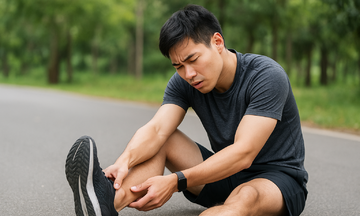
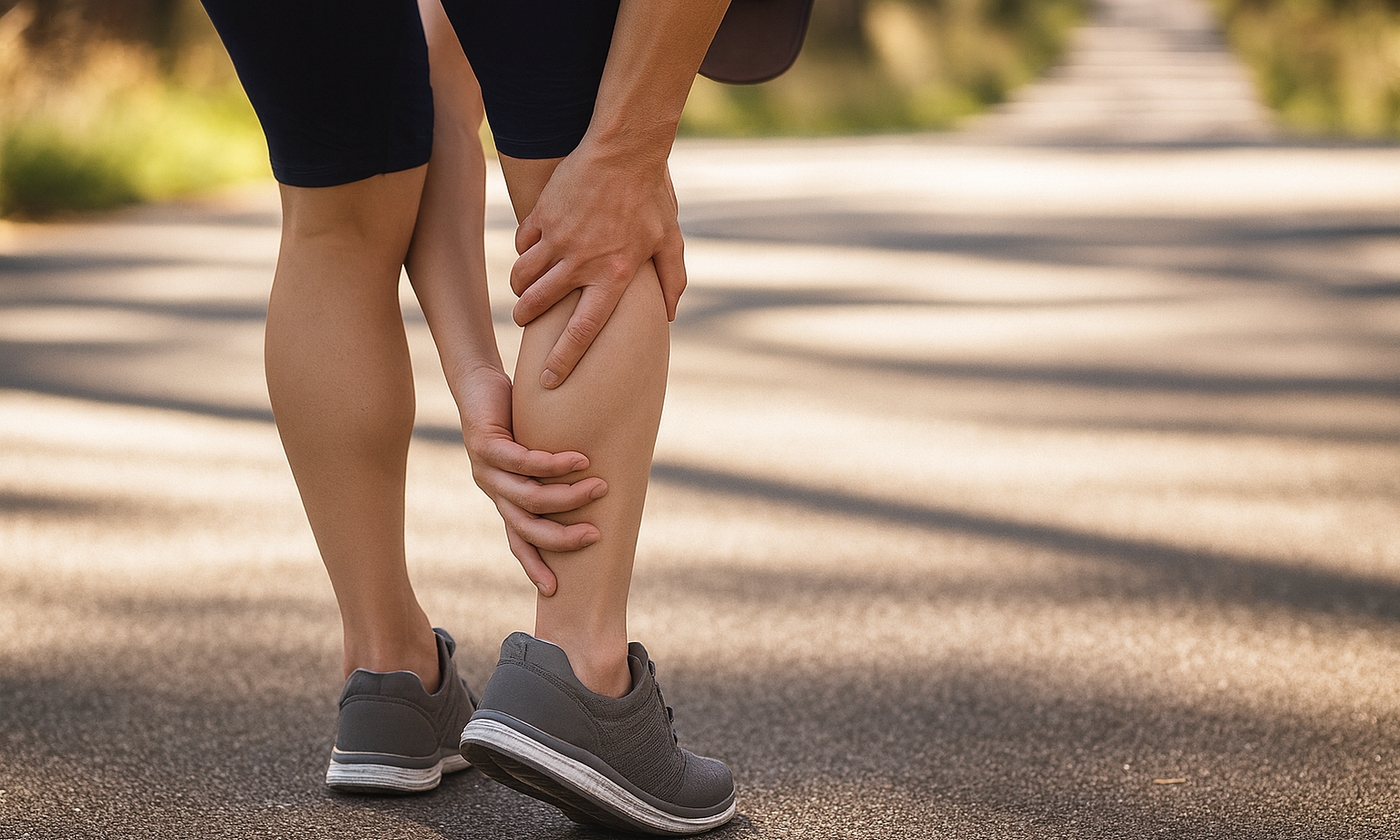
Plaque buildup affects not only the heart but also the blood vessels in the legs, a condition known as peripheral artery disease (PAD). Individuals with PAD might experience cramps, heavy legs, tingling, or a burning sensation in their calves while walking. These symptoms typically subside with rest. In more severe cases, discomfort can occur even when not moving.
**Small yellow patches or circles around the eyes**
While high cholesterol often lacks obvious symptoms, specific warning signs can emerge when fats accumulate in body tissues. These include yellow deposits near the eyelids (xanthelasma), a white or gray ring around the iris in younger individuals (arcus senilis), or small lumps on knuckles or the Achilles tendon (tendon xanthomas). Though less common, their sudden, unexplained appearance warrants an early cholesterol check.
**Persistent cold or numb feet**
When blood circulation diminishes due to cholesterol accumulation, the lower limbs are often affected first. Poor blood flow can lead to numbness, cold intolerance, thinner skin or nails, and slower-healing wounds. This indicates narrowing blood vessels, which, while not as critical as a heart attack, requires prompt management.
 |
Adopting healthy eating habits and increasing physical activity are effective strategies to lower cholesterol levels and maintain a healthy range. Addressing these lifestyle factors can significantly improve overall cardiovascular health.
**Incorporate fiber-rich foods**: Oats, lentils, beans, and seasonal vegetables provide soluble fiber, which helps reduce low-density lipoprotein (LDL), commonly known as "bad" cholesterol.
**Practice healthy cooking**: Instead of repeatedly deep-frying foods, use fresh oil and prioritize beneficial types. Examples include small amounts of mustard, peanut, or olive oil.
**Limit prolonged sitting**: If your job involves extended periods of sitting, make an effort to stand up and walk for 5-10 minutes every hour. Regular physical activity helps high-density lipoprotein (HDL), or "good" cholesterol, function more effectively.
**Get enough sleep and reduce stress**: Poor sleep and chronic stress can disrupt lipid metabolism. Aim for 7-8 hours of sleep nightly and engage in simple stress-relief activities such as walking, meditation, yoga, or deep breathing exercises.
**Adopt a balanced diet**: Focus on breaking down meals into smaller portions, emphasizing plenty of vegetables, beans, whole grains, lean protein, and healthy fats.
By Bao Bao (Source: Times of India)