Vitamin D is crucial for strong bones, a robust immune system, and stable mood. The recommended daily allowance for adults is typically 600 international units (IU), equivalent to 15 micrograms (mcg), to maintain bone health and bodily functions. This need can be higher, around 800-1,000 IU, for individuals over 70 years old to help prevent osteoporosis. Below are four natural ways to enhance vitamin D absorption.
**Sun exposure**
Spending 10-15 minutes in the mid-morning sun, allowing it to reach your arms and legs two to three times a week, effectively helps your skin synthesize vitamin D. Skin color, age, and geographical location all influence the body's ability to absorb this nutrient. Combining sun exposure with light outdoor physical activity, such as stretching or walking barefoot on grass, can also enhance blood circulation.
**Incorporate healthy fats into meals**
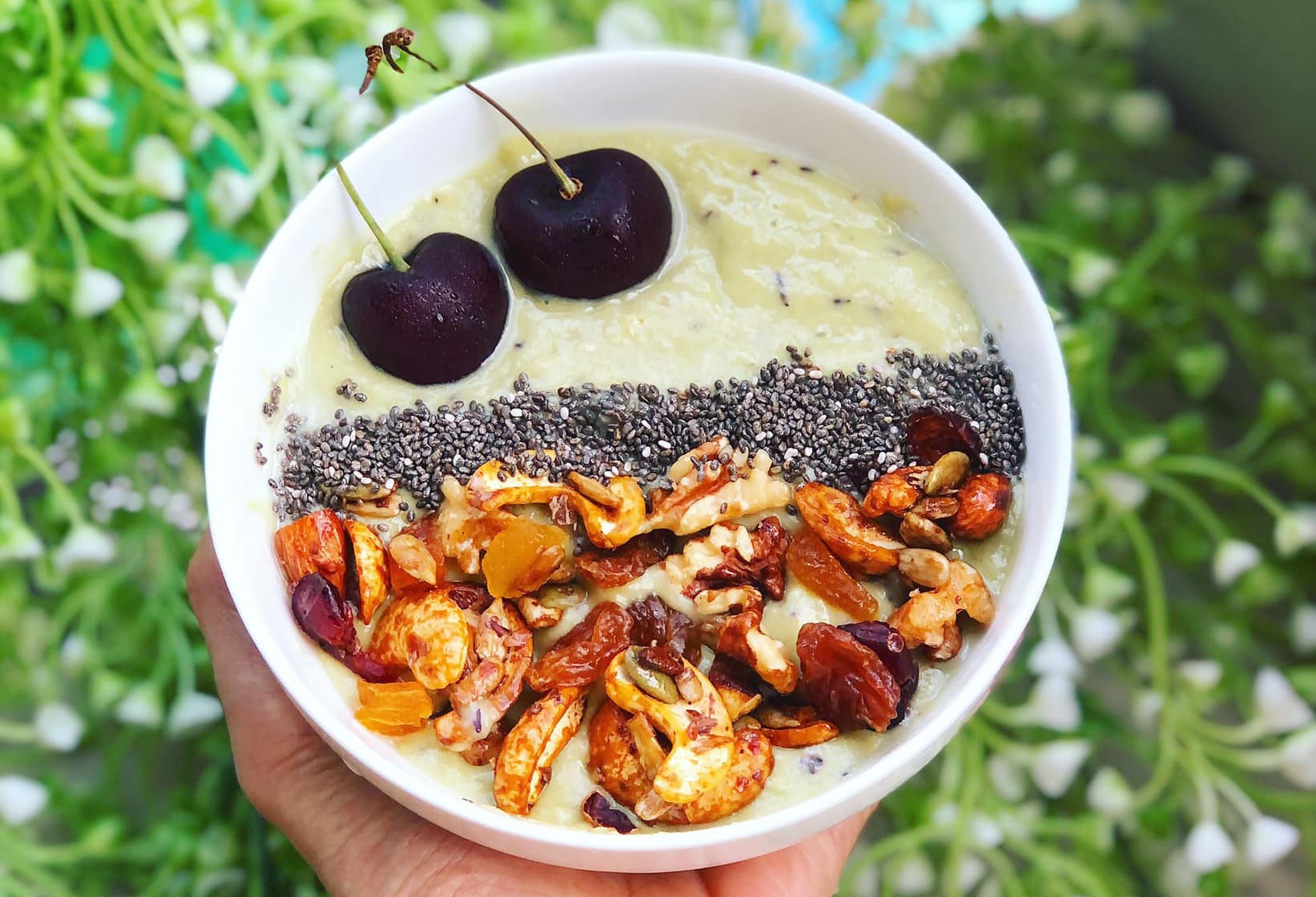
Vitamin D is fat-soluble, meaning the body absorbs it better when consumed with healthy fats. Prioritize adding avocado, olives, nuts, and fatty fish to your daily meals. Simple habits like sprinkling flaxseeds or chia seeds onto your breakfast can also boost vitamin D absorption.
**Support gut health with probiotics**
A healthy gut microbiome improves the absorption of fat-soluble vitamins. Consume fermented foods like yogurt to introduce beneficial bacteria, enhancing the body's nutrient uptake. Specific strains of lactobacillus and bifidobacterium can aid in vitamin D metabolism.
**Limit alcohol consumption**
Excessive alcohol intake interferes with vitamin D metabolism. Alcohol can impair liver and kidney function, which are vital organs for converting vitamin D into its active form.
Regular blood tests help accurately monitor vitamin D status, allowing for lifestyle adjustments and the creation of effective dietary plans. Vitamin D deficiency is common worldwide, particularly in areas with limited sun exposure.
Le Nguyen (According to Times of India)
| Readers can submit nutrition questions here for doctor consultation |