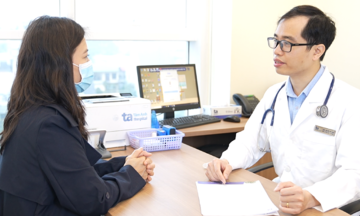
After two unsuccessful embryo transfers during in vitro fertilization (IVF) cycles in Germany, Ms. Tuyet and her husband visited the Center for Reproductive Assistance, Tam Anh General Hospital TP HCM (IVF Tam Anh TP HCM) for an examination in late July.
Dr. Nguyen Thi Thach Thao, a first-degree specialist, diagnosed Ms. Tuyet with endometriosis and endometritis, conditions that hinder embryo implantation and development. Additionally, she suffered from chronic cholecystitis caused by gallbladder polyps. While this condition does not directly cause infertility, the immune system produces many cytokines that can lead to systemic inflammation and combat any abnormalities in the body, including embryos. Her husband had a low sperm count, with only a few sperm cells in the ejaculate, necessitating IVF to conceive.
Ms. Tuyet initially responded poorly to ovarian stimulation medication, yielding only 7 mature oocytes in her first two cycles. Dr. Thao adjusted the treatment protocol, extending medication use, and subsequently retrieved an additional 10 oocytes, bringing the total to 17 mature oocytes. Following IVF with her husband's sperm, two day-5 embryos and 5 day-6 embryos were successfully created and cryopreserved.
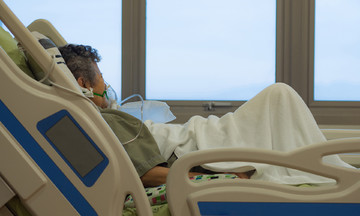
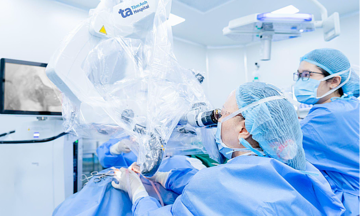
Before embryo transfer, an interdisciplinary team of doctors stabilized Ms. Tuyet's underlying conditions. Gastrointestinal surgeons performed a cholecystectomy to resolve the polyps and chronic inflammation, also preventing potential gallbladder cancer. This procedure does not impact health if the patient maintains a healthy lifestyle and diet. Dr. Thao prescribed a medication regimen to suppress both endometriosis and chronic endometritis. Ms. Tuyet then underwent the transfer of one high-quality day-5 embryo, which resulted in a successful pregnancy. The pregnancy is now 10 weeks along and developing healthily.
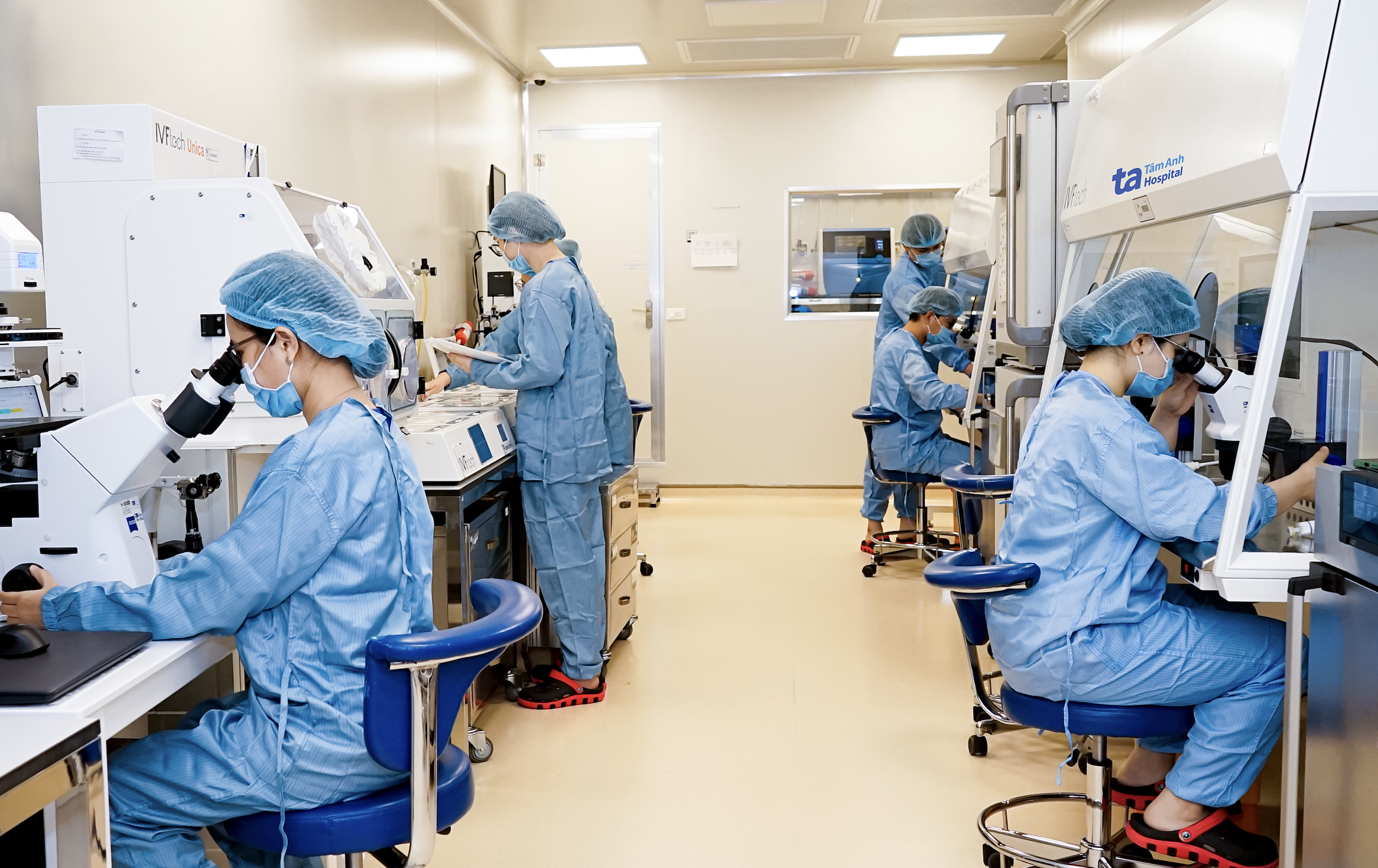 |
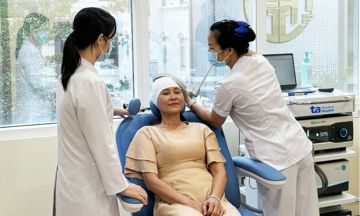
The ISO 5 ultra-clean "lab-in-lab" system at IVF Tam Anh TP HCM helps increase embryo culture rates. Photo: Thanh Luan
According to Dr. Thao, women experiencing recurrent IVF embryo transfer failures may face issues such as embryo quality, uterine lining quality, uterine cavity abnormalities (endometriomas, polyps, inflammation), underlying medical conditions, or inadequate physical health. Therefore, couples who have been trying to conceive for one year without success should seek a comprehensive reproductive health examination and early treatment. In cases of multiple unsuccessful embryo transfers, a hysteroscopy is recommended to detect any abnormalities. Treatment, whether medication or surgery, is then tailored to the specific condition.
Furthermore, patients should undergo general health screenings and treat any medical conditions to improve their overall health and increase pregnancy success rates. At IVF Tam Anh TP HCM, doctors from various specialties, including gastrointestinal surgery, cardiology, obstetrics and gynecology, and endocrinology, collaborate to provide comprehensive treatment for infertile couples with complex medical histories, optimizing their chances of conception and a healthy pregnancy.
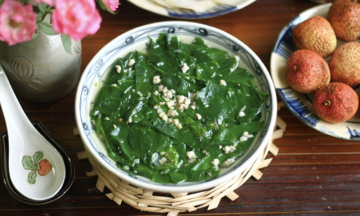
Patients should adopt a balanced nutritional diet. Pregnant women who have undergone a cholecystectomy should consume low-fat foods like lean meat, fish, and skinless poultry; and fiber-rich, plant-based protein sources such as green vegetables, whole grains, and legumes. Prioritize boiled or steamed dishes over fried or sauteed options. It is advisable to eat smaller, more frequent meals, drink sufficient water, and supplement with milk and dairy products. Increasing fiber intake from fruits aids digestion and prevents constipation, while also providing essential vitamins and minerals. Avoid processed foods high in oil and saturated fats, animal butter, and spicy condiments, as these can cause indigestion and discomfort during pregnancy.
Hoai Thuong
*Patient's name has been changed