Answer:
Genital warts and pearly penile papules can both manifest as small bumps in the genital area, leading to easy confusion. However, these are two distinct conditions in nature, severity, and management.
Pearly penile papules are a benign condition, common in young men. The bumps are typically small, white, pale pink, or translucent, growing in regular rows around the coronal sulcus. They generally do not cause pain, itching, discharge, or odor, are not sexually transmitted, and rarely affect health or sexual function. Most cases do not require treatment, unless the individual is concerned about aesthetics or psychological impact.
In contrast, genital warts are a sexually transmitted disease caused by the HPV virus. These warts are soft, moist, and can grow scattered or cluster together, resembling a rooster's comb or cauliflower. They do not form regular rows like pearly penile papules. As they progress, the lesions can enlarge, bleed easily upon contact, and cause itching, discharge, or an unpleasant odor.
Regarding treatment, pearly penile papules usually only require observation. If an individual wishes to have them removed for cosmetic reasons, they should visit a medical facility for appropriate advice, avoiding self-medication or home remedies.
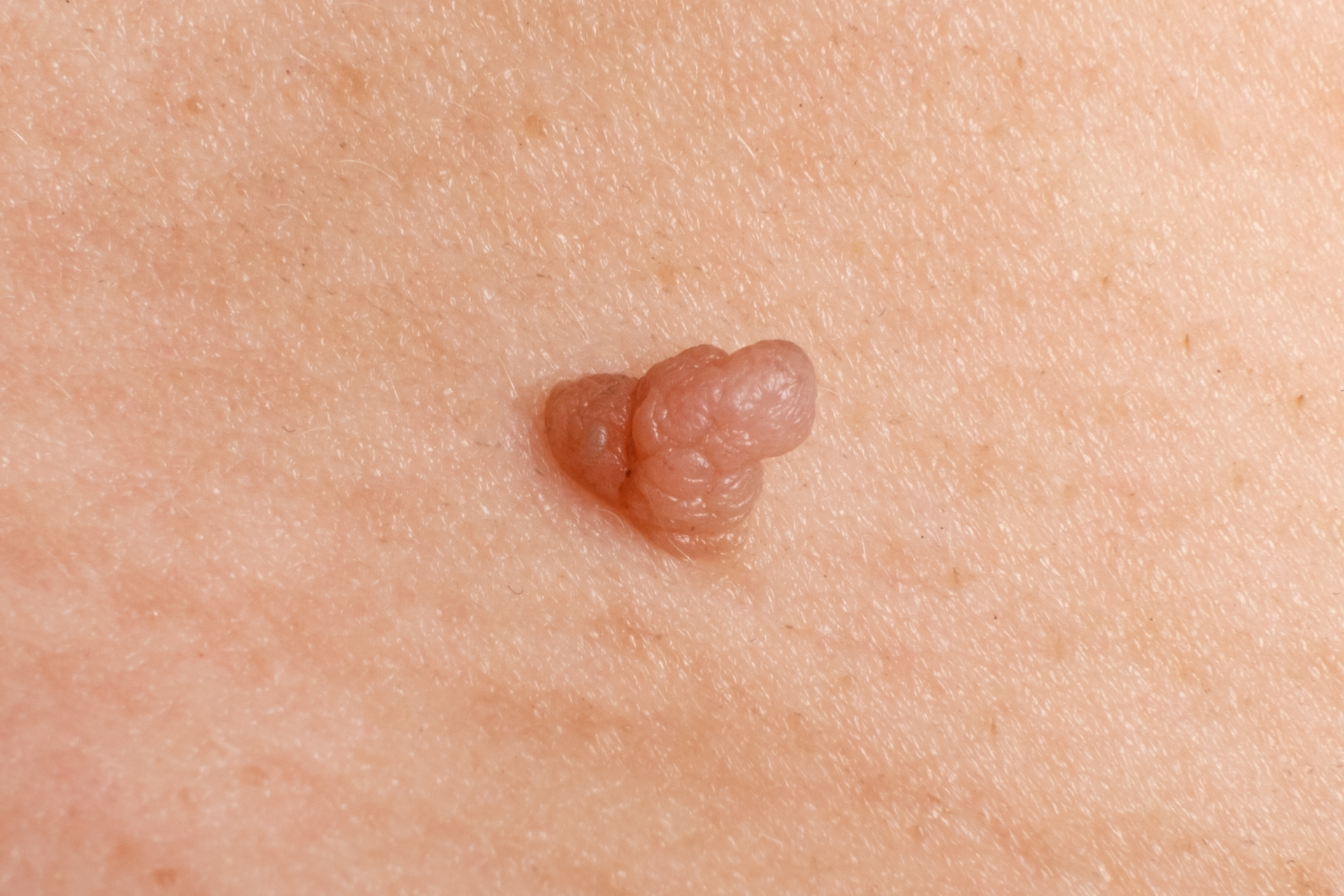 |
Skin lesions. Illustration: Vecteezy |
For genital warts, individuals need a specialist examination for proper diagnosis and treatment. A doctor may prescribe topical medications, cryotherapy, electrocautery, laser therapy, or other methods to remove the lesions, depending on their location and severity. Treatment helps address the warts, but HPV can persist in the body, meaning the condition carries a risk of recurrence.
Genital warts cause discomfort in daily life and can lead to anxiety, affecting sexual well-being. Some high-risk HPV strains are also linked to cancers such as cervical, anal, oropharyngeal, vulvar, vaginal, and penile cancers.
When bumps, blisters, or other unusual lesions appear on the genitals, men should not self-diagnose or self-treat. Early examination helps distinguish pearly penile papules from genital warts and other conditions, preventing unnecessary worry or missed diagnoses of sexually transmitted diseases.
To reduce the risk of HPV infection, men should practice safe sex, use condoms, limit their number of partners, and get the HPV vaccine if they fall within the recommended age group. The Gardasil 9 vaccine is available for males and females from 9 to 45 years old, helping protect against HPV types linked to genital warts and certain cancers. Individuals starting vaccination between 9-14 years old receive two doses; those 15 years and older receive three doses according to the schedule.
Doctor Nguyen Cong Luan
Medical Manager, VNVC Vaccination System
Readers can submit vaccine-related questions for a doctor's response here.