End-stage heart failure is the most severe form of the disease. At this point, the heart cannot function normally, and its pumping ability gradually weakens, leading to several negative health impacts. While not fully curable due to severe heart damage, proper treatment can improve a patient's quality of life and extend their lifespan.
A patient's recovery potential depends on many factors, with medication being the most important. Some medications improve symptoms and heart function. If the body shows poor response to medication, patients may consider a cardiac resynchronization therapy (CRT) device implant, circulatory support devices, or heart transplant surgery.
End-stage heart failure manifests with a range of challenging symptoms:
- Shortness of breath: Even at rest, patients may experience difficulty breathing due to fluid buildup in the lungs (pulmonary congestion).
- Swelling: Fluid accumulation leads to subcutaneous swelling, especially in the legs, ankles, and abdomen.
- Weakness: The weakened heart causes fatigue and weakness, particularly during physical activity.
- Sudden weight gain: Fluid retention in the body causes rapid weight gain, worsening the patient's health.
- Low blood pressure: Blood pressure may drop, increasing the risk of dizziness and fainting.
- Heart rhythm problems: Patients may experience life-threatening arrhythmias such as ventricular fibrillation, ventricular tachycardia, and atrial fibrillation.
- Heart valve problems: Heart valves ensure blood flows in the correct direction. Severe heart failure enlarges the heart chambers and creates high pressure within the heart, leading to abnormal valve function, causing secondary heart valve regurgitation and worsening heart failure.
- Reduced function of other organs: Tissues and organs not receiving sufficient blood, oxygen, and nutrients will not function effectively, affecting the entire body.
- Frequent urination: Fluid accumulation also leads to increased urination, especially at night.
- Decreased activity tolerance: As end-stage heart failure progresses, patients find it difficult to perform daily tasks, requiring assistance with personal activities at home or hospitalization for medical care.
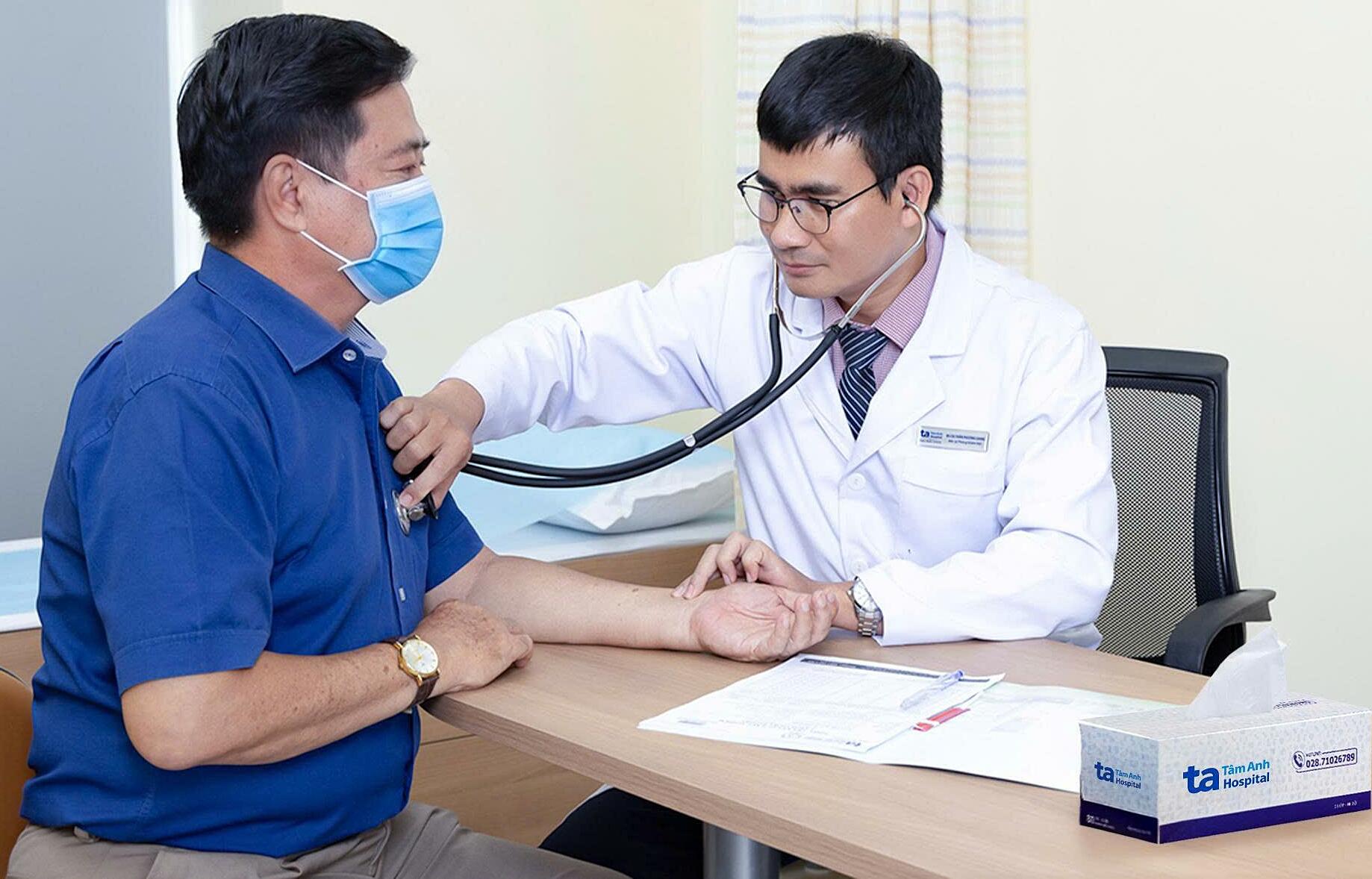 |
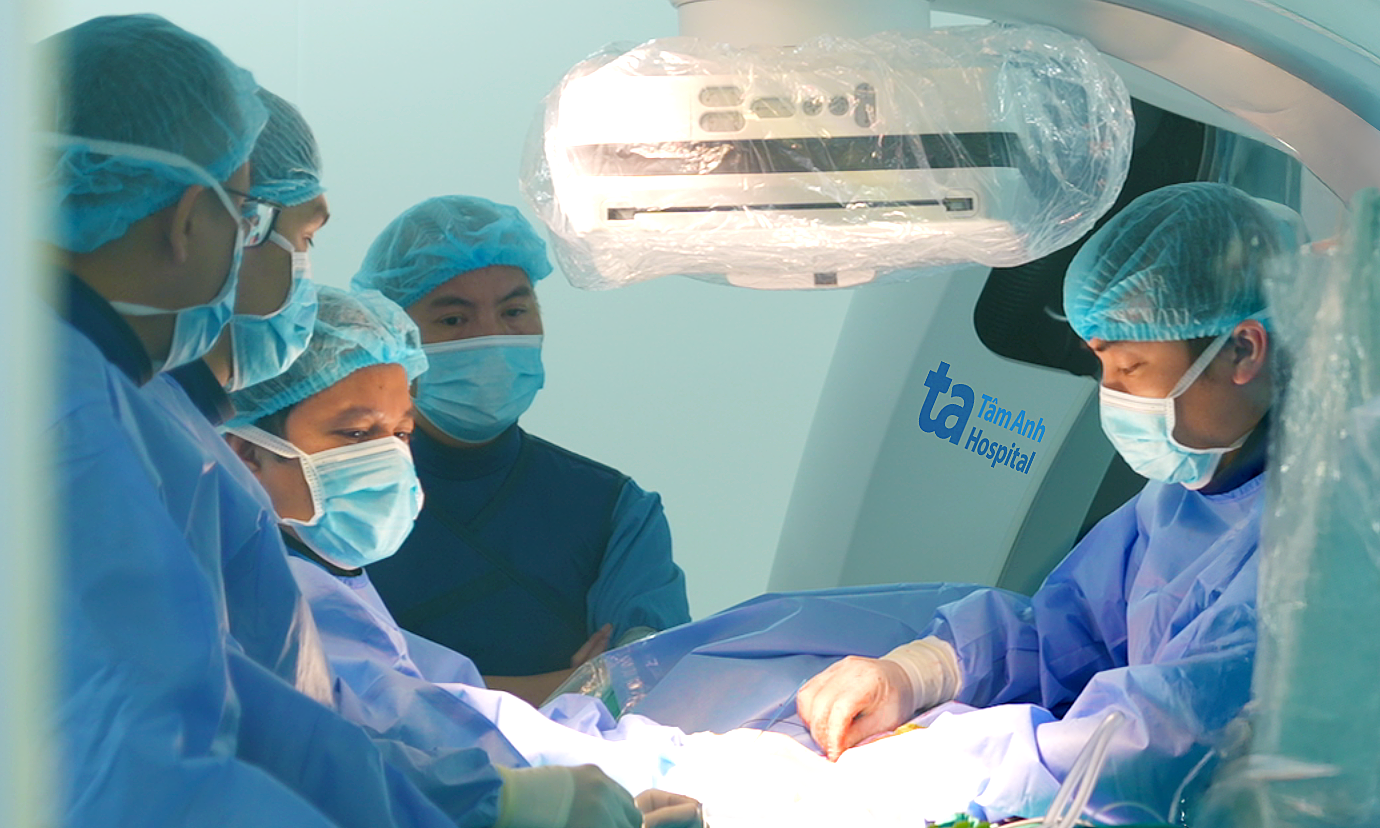
A doctor examines a patient's cardiovascular health. Illustration: Tam Anh General Hospital
Lifestyle changes such as healthy eating, regular exercise, avoiding tobacco exposure, and managing underlying conditions (diabetes, high blood pressure, kidney failure) also help improve the health of individuals with end-stage heart failure. Patients require care and support from family members in daily activities. Regular check-ups are also essential to control symptoms and prolong life.
To prevent end-stage heart failure, early diagnosis and treatment are crucial. Depending on the disease's severity, patients may be prescribed diuretics, angiotensin-converting enzyme inhibitors, receptor blockers, beta blockers, or SGLT2 inhibitors. Additionally, it is necessary to stop smoking and avoid secondhand smoke, prioritize foods low in saturated fat, trans fat, sugar, and sodium, and supplement with fruits, vegetables, low-fat dairy, lean protein (found in chicken and fish), and healthy fats from olive oil, fatty fish, and avocados.
Your mother should have regular follow-up appointments and take all prescribed medications. Managing stress and maintaining a comfortable mindset can help slow the disease's progression.
Doctor Tran Phuong Giang, First-Degree Specialist
Cardiology Unit
Tam Anh General Clinic, District 7
| Readers can submit questions about cardiovascular disease here for a doctor's response |