Skin peeling is a popular method to improve skin surface, helping to brighten, reduce acne, and support rejuvenation when performed correctly. However, self-peeling at home often leads to complications. According to Dr. Be Thu Thuy, from the Department of Aesthetics at Tam Anh General Hospital Hanoi, 7 cases of self-peeling at home have been recorded in the past two months. These cases caused complications ranging from mild to severe, such as skin burns, prolonged hyperpigmentation, or chronic irritant dermatitis.
According to Dr. Thuy, skin peeling is not dangerous if the acid concentration, duration, and skin condition are properly controlled. Self-peeling, however, lacks medical assessment and accompanying control procedures, posing a significant risk of damaging the skin barrier.
 |
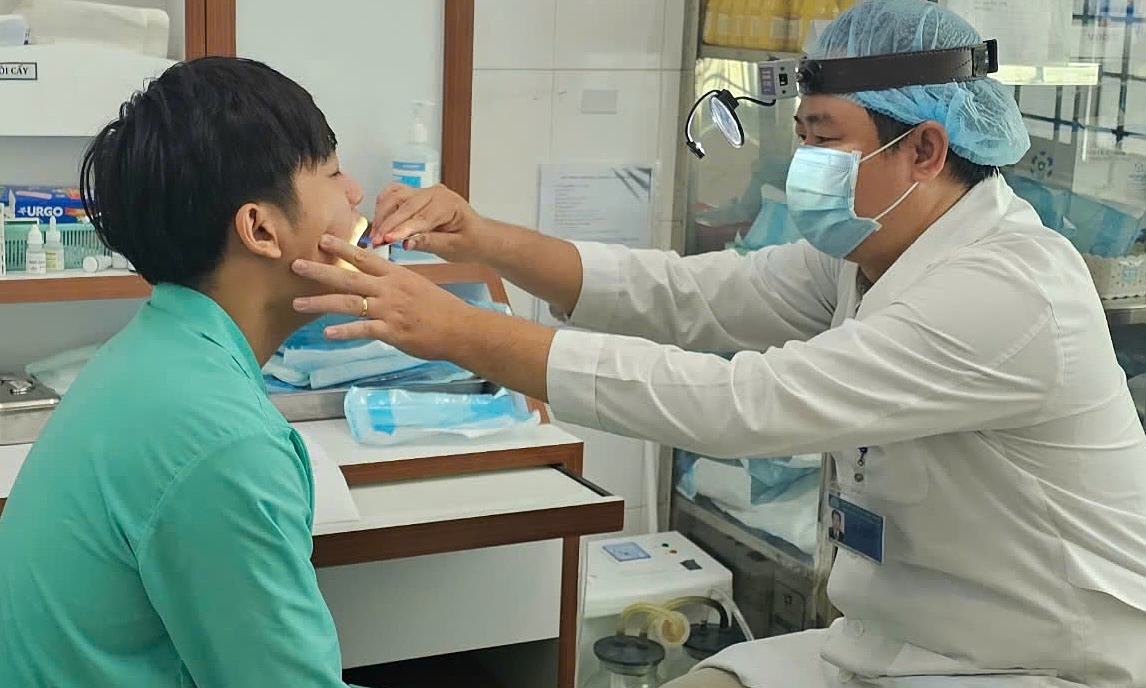
Dr. Thuy advises a woman experiencing skin darkening after a skin peel. *Photo: Tam Anh General Hospital* |
**Inadequate Control of Acid Concentration and Application Time**
The most important principle in skin peeling is precise control over the acid's impact on the skin. Doctors select the appropriate acid type, concentration, and duration for each skin type, providing specific advice. However, when self-peeling, users often cannot accurately assess these factors.
The same product can elicit completely different reactions on healthy, compromised, or sensitive skin. When acid penetrates too deeply or remains on the skin for too long, the stratum corneum (outermost layer of skin) is excessively abraded. This leads to prolonged redness, peeling, and even mild chemical burns, making the skin sensitive to sunlight and prone to subsequent hyperpigmentation.
**Incorrect Skin Condition Assessment**
Peeling is not recommended for skin that is irritated, infected, allergic to peeling ingredients, or currently using retinoids, AHAs, or BHAs. When the skin barrier is unstable and further exposed to acid, inflammatory reactions can spread more easily than usual. This not only worsens acne but also increases the risk of post-inflammatory hyperpigmentation, causing skin darkening that can last for weeks to months.
**Lack of Post-Peel Recovery and Sun Protection Protocols**
After peeling, the skin's protective stratum corneum is temporarily weakened, making the skin more sensitive to light, temperature, and environmental factors.
Skin requires a recovery phase involving proper moisturizing, barrier repair, and comprehensive sun protection. Many individuals continue to use strong active ingredients or neglect adequate sun protection after peeling. This leads to prolonged inflammation, exacerbated hyperpigmentation, and delayed healing.
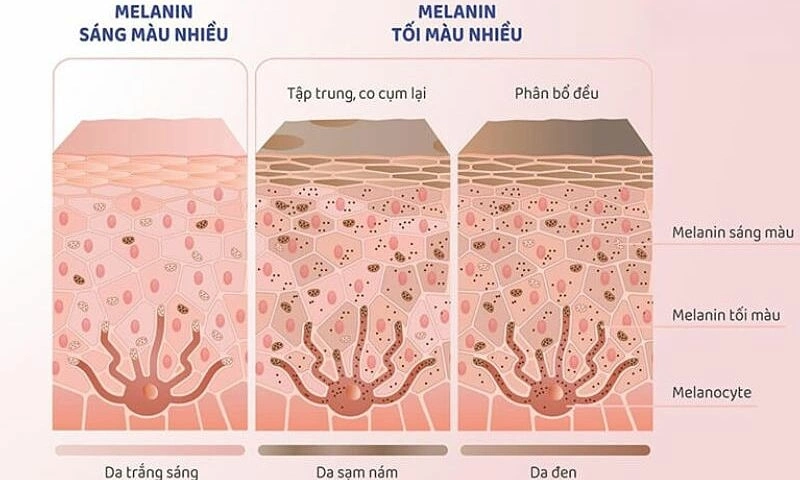
If exposed to sunlight after peeling, pigment cells are stimulated to become more active than usual to protect the skin. This results in excessive melanin production, leading to skin darkening or the formation of uneven hyperpigmented patches. Initially, the skin may appear slightly darker, but after a few weeks, it can become noticeably mottled, especially on the cheeks and forehead, the areas most exposed to sunlight.
**Overuse of Peeling**
Many individuals expect rapid skin improvement in a short time, leading them to increase peeling frequency or combine multiple acid products simultaneously. The continuous repetition of chemical exfoliation prevents the skin from having enough time to regenerate. A prolonged weakened barrier results in thin, easily reddened, irritated, and environmentally sensitive skin. This creates a foundation for persistent complications, not just isolated incidents.
Once complications from at-home peeling develop, treatment extends beyond simple skin brightening. Doctors must restore the skin barrier, control inflammation, and then address hyperpigmentation.
Medical laser technologies are considered to aid treatment, selectively targeting pigment and stimulating skin structural regeneration. However, treatment efficacy largely depends on the initial damage and each individual's skin recovery capacity.
Doctors advise individuals seeking skin enhancement to visit a Dermatology - Aesthetic Dermatology department for a personalized skin peeling regimen tailored to their skin condition. This should be accompanied by professional monitoring and a strict post-peel recovery and sun protection plan.
Thanh Ba