Eng English
China 中国人

Eng English
China 中国人
  • News
  • World
  • Business
  • Entertainment
  • Sports
  • Law
  • Education
  • Health
  • Lifestyle
  • Travel
  • Science
  • Digital
  • Automobiles
  • Trở lại Thể thao
  • Health
Saturday, 23/5/2026 | 13:01 GMT+7

How do kidney stones differ from gallstones?

Large kidney stones often cause severe pain in the lower abdomen and flank, along with frequent urination, while gallstones typically trigger sudden pain in the stomach area and can lead to vomiting.

Gallstones and kidney stones are two common conditions that are often confused because both involve the formation of stones and can cause significant pain. However, gallstones and kidney stones differ in their causes, symptoms, and treatments.

According to Heathline, gallstones are hardened deposits of digestive fluid that form in the gallbladder, potentially creating one or more stones at a time. They vary in size, from as small as a grain of rice to as large as a golf ball.

Kidney stones form from chemicals in urine, either due to insufficient urine volume or an excess of waste substances that crystallize. If these crystals cannot be expelled, they can attract other substances, growing larger and harder.

There are four types of kidney stones: calcium stones—the most common type—struvite stones, uric acid stones, and cystine stones.

Causes

Kidney stones typically develop due to dietary habits and fluid intake, whereas gallstones often relate to overall digestive system health and liver function.

The most common causes of gallstones include:

Bile stasis: When the gallbladder cannot fully empty or functions poorly, bile can become stagnant, concentrate, and form stones.

Excess cholesterol: If the liver excretes more cholesterol than the bile can dissolve, the excess can form crystals. Over time, these crystals develop into gallstones.

High bilirubin levels: The body produces bilirubin when breaking down red blood cells. Certain conditions can cause the liver to produce too much bilirubin, leading to gallstones.

Symptoms

Gallstones can be asymptomatic. However, according to Cleveland Clinic, when stones block the bile duct, patients may experience nausea, vomiting, sudden and worsening pain in the upper right or middle abdomen, and pain between the shoulder blades.

Symptoms of kidney stones depend on their size. Large kidney stones typically cause severe symptoms, including intense lower back pain, blood in the urine, lower abdominal or flank pain, frequent urination, fever, chills, nausea, and vomiting.

Treatment

Gallstones often recur, but most are asymptomatic and do not require treatment. If treatment is necessary, patients may receive medication to dissolve the gallstones over several months. If stones recur, doctors may consider surgical removal of the gallbladder, which generally does not cause severe health side effects.

Kidney stone treatment varies with stone size. Small kidney stones may require increased fluid intake or prescription medication to reduce urine acidity, aiding natural stone expulsion. Large stones causing severe symptoms or infection necessitate surgical removal. Individuals who have had kidney stones face a high risk of recurrence and an increased risk of chronic kidney disease.

To prevent gallstones, individuals should maintain a healthy weight, incorporate fiber into their diet, and ensure regular meal times.

One of the best ways to avoid kidney stones is to drink enough water and reduce salt intake.

Anh Ngoc (Compiled)
By VnExpress: https://vnexpress.net/soi-than-khac-soi-mat-the-nao-5076155.html
Tags: gallstones kidney stones

News in the same category

Tips for eating fruit without raising blood sugar

Tips for eating fruit without raising blood sugar

Choosing fruits with a low glycemic index and less natural sugar, and avoiding eating them on an empty stomach, can help control blood sugar levels.

Is end-stage heart failure curable?

Is end-stage heart failure curable?

My 75-year-old mother was diagnosed with heart failure three years ago, and it is now in its end stage. Is it curable? (Bao Hoa, Ho Chi Minh City)

Can transcranial magnetic stimulation treat depression?

Can transcranial magnetic stimulation treat depression?

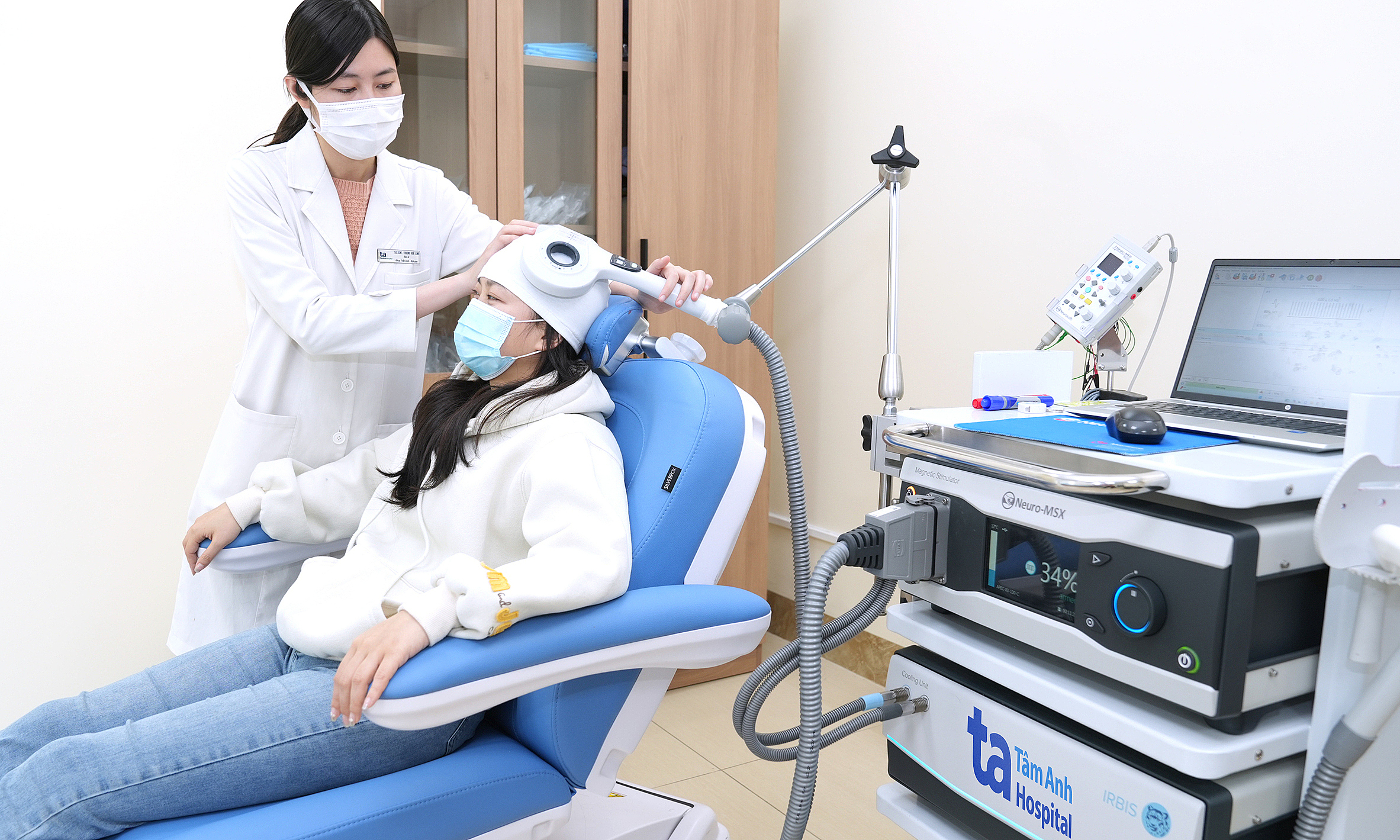
My relative has been suffering from depression for three years, and medication has not helped. Can transcranial magnetic stimulation be used to treat this condition? (Gia Han, Hanoi)

should you mouth tape to reduce snoring?

should you mouth tape to reduce snoring?

I often snore and breathe through my mouth, causing my wife to lose sleep. does mouth taping while sleeping help reduce snoring, and is this method safe? (manh hung, 25 years old)

WHO raises ebola alert to 'very high'

WHO raises ebola alert to 'very high'

The World Health Organization (WHO) has elevated its risk assessment for the Bundibugyo Ebola virus strain in the Democratic Republic of Congo to 'very high' at the national level, expressing concern about the potential for a pandemic.

Doctor Truong Huu Khanh: "Common antibiotics struggle to cure pneumococcal disease"

Doctor Truong Huu Khanh: "Common antibiotics struggle to cure pneumococcal disease"

Pneumococcus, a leading cause of pneumonia and meningitis that can leave patients in a vegetative state, is becoming increasingly difficult to treat due to drug resistance.

Doctor points out early signs of liver cancer

Doctor points out early signs of liver cancer

Early symptoms of liver cancer are often vague, including mild pain in the right upper abdomen, prolonged digestive issues, unexplained weight loss, and fatigue.

Three strokes due to heart valve narrowing

Three strokes due to heart valve narrowing

Quang, 40, experienced multiple strokes stemming from long-standing rheumatic heart disease, which caused severe mitral valve narrowing, atrial fibrillation, and heart failure.

Four ways to prevent hepatitis B

Four ways to prevent hepatitis B

Vaccination, avoiding exposure, and maintaining a healthy lifestyle help reduce the risk of hepatitis B.

Salivary gland cancer metastasizes to liver one year after treatment

Salivary gland cancer metastasizes to liver one year after treatment

Mr. Tung, 62, diagnosed with salivary gland cancer two years ago and treated, now faces a recurrence with liver metastasis, for which doctors are employing targeted therapy and chemotherapy for radical treatment.

Eng English
China 中国人
  • News
  • World
  • Business
  • Entertainment
  • Sports
  • Law
  • Education
  • Health
  • Lifestyle
  • Travel
  • Science
  • Digital
  • Automobiles
FPT Tower, 10 Pham Van Bach Street, Dich Vong Ward,
Cau Giay District, Hanoi, Vietnam
Email: contacts@vnportal.net
Tel: 028 7300 9999 - Ext 8556
Advertise with us: 090 293 9644
Register
© Copyright 2026 vnnow.net. All rights reserved.
Terms of use Privacy policy Cookies