The critical "golden 30 minutes" following a tooth avulsion are crucial for successful re-implantation and preventing permanent tooth loss in children. Prompt action, such as soaking the knocked-out tooth in an appropriate solution, significantly increases the chances of saving the tooth. Dental experts emphasize that parents should seek immediate medical attention within this timeframe.
Recently, doctor Hsieh Cheng-yu, head of pediatric dentistry at Wanfang Hospital in Taipei, Taiwan, shared a successful emergency case. A 5th-grade student fell and lost an incisor. The family acted quickly, immediately soaking the broken tooth in a coffee-flavored milk carton before taking the child to the hospital. This timely action allowed medical professionals to fully preserve the original tooth for the patient.
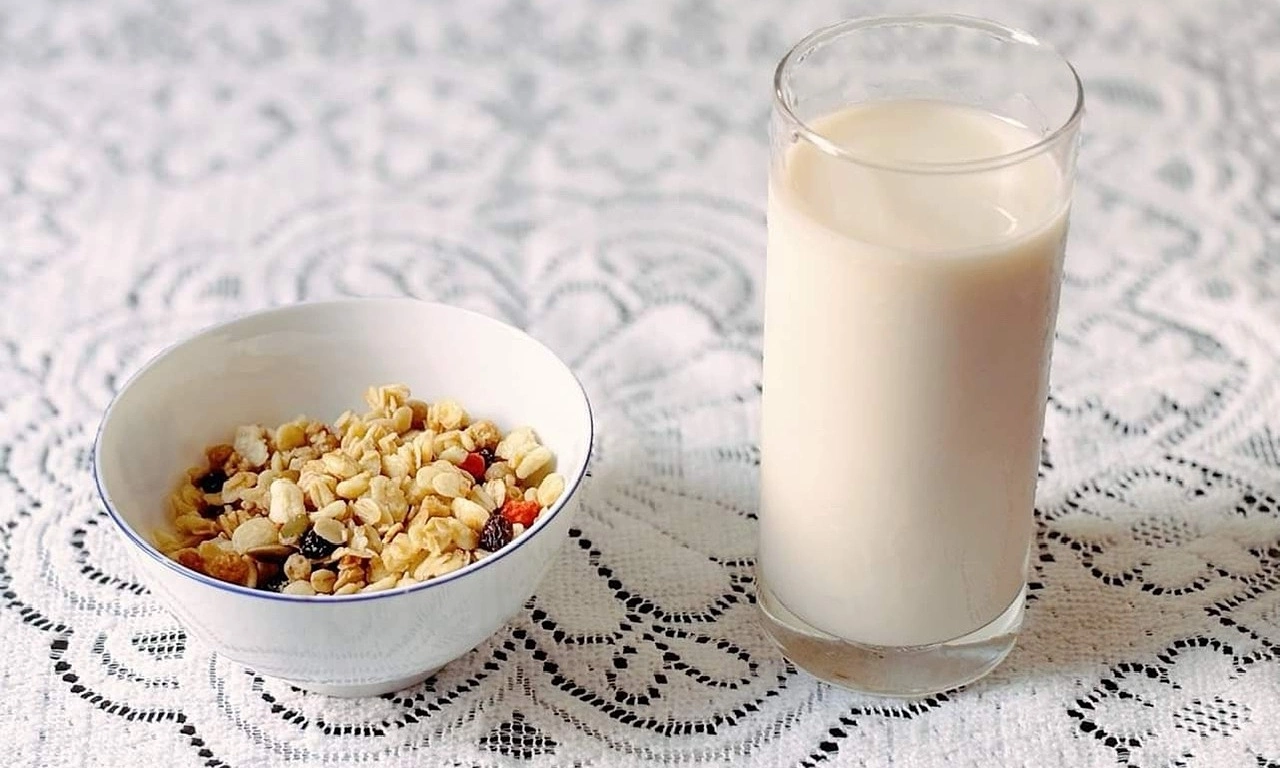
Doctor Hsieh explained that milk contains a pH level and osmotic pressure similar to human body fluids and the oral cavity environment. This solution maintains the vitality of the periodontal ligament cells on the tooth root surface, preventing the risk of environmental differences from damaging them. Chilled fresh milk or physiological saline offers the best preservation effect. In an emergency, parents can use beverages with a high milk content as a temporary substitute.
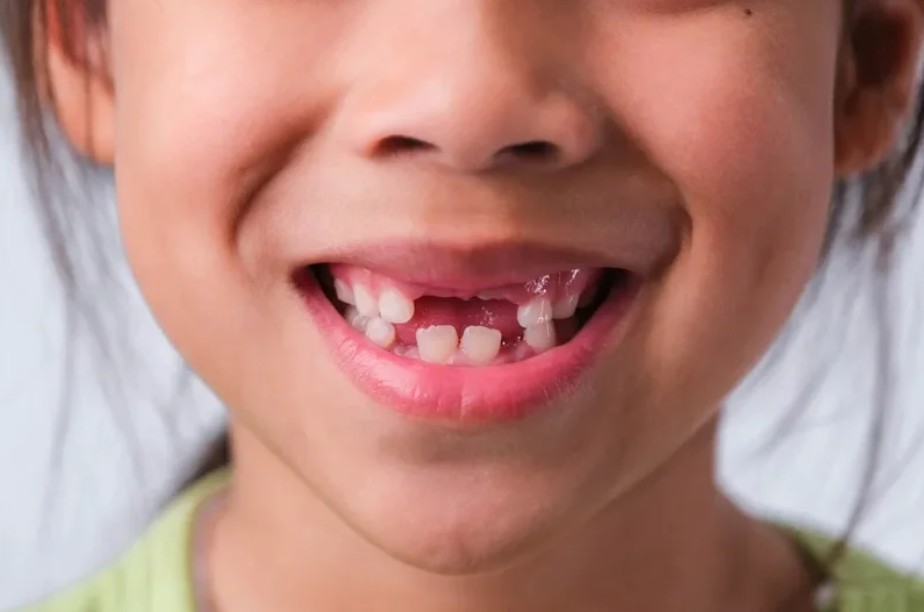 |
Illustration: Udn
If a suitable solution is not found, the patient can hold the tooth in their mouth to utilize saliva for moisture, or try to place it back into its original position. However, parents must never use the mouth-holding method for very young children or those crying loudly, as they could easily choke or inhale the foreign object directly into the trachea. Experts recommend that families take the victim to a medical facility within the "golden 30 minutes," and no later than one hour from the time of the incident.
When facing unexpected accidents, many people panic and often have incorrect reactions. Parents must absolutely avoid actions that kill periodontal ligament cells, such as: wrapping the knocked-out tooth in tissue paper, rinsing it under tap water, or soaking it in hot water or hot milk.
The post-reimplantation treatment method largely depends on the patient's age. In the case of the 5th-grade patient mentioned, the tooth root was fully developed, and the pulp was severed, losing its ability to self-recover, so the dentist had to perform a root canal. Conversely, younger children have tooth root structures that are not yet fully closed, and the pulp retains its regenerative capacity, so doctors often prioritize preserving this part. Dental experts will closely monitor the child's oral health for two to five years, waiting until jawbone development stabilizes in their twenties to conduct a comprehensive assessment and decide on a permanent porcelain restoration plan.
Binh Minh (According to United Daily News)