


Master, Doctor Doan Vinh Binh, from the Medical Information Center at Tam Anh General Hospital TP HCM, stated that when fat accumulates excessively in the liver (accounting for more than 5% of liver weight), fatty acid metabolism generates free radicals. These free radicals damage DNA, overactivate Kupffer cells (macrophages residing in the liver sinusoids that create an immune response), and trigger inflammation in the liver. This silent, long-term process can reduce liver function and accelerate the progression of many liver diseases, including fatty liver disease, hepatitis, cirrhosis, and liver cancer.
According to Doctor Binh, patients with early-stage fatty liver disease often experience only fatigue, loss of appetite, and discomfort in the right upper abdomen. These symptoms are easily mistaken for indigestion. As the disease progresses and liver damage begins, symptoms such as general discomfort, itchy skin, hives, or allergies may appear.
In severe cases of fatty liver disease, when the liver starts to fibrose, it can lead to liver failure and liver cancer. Patients may then exhibit serious symptoms like jaundice, ascites, edema, hemorrhage, and hepatic encephalopathy.
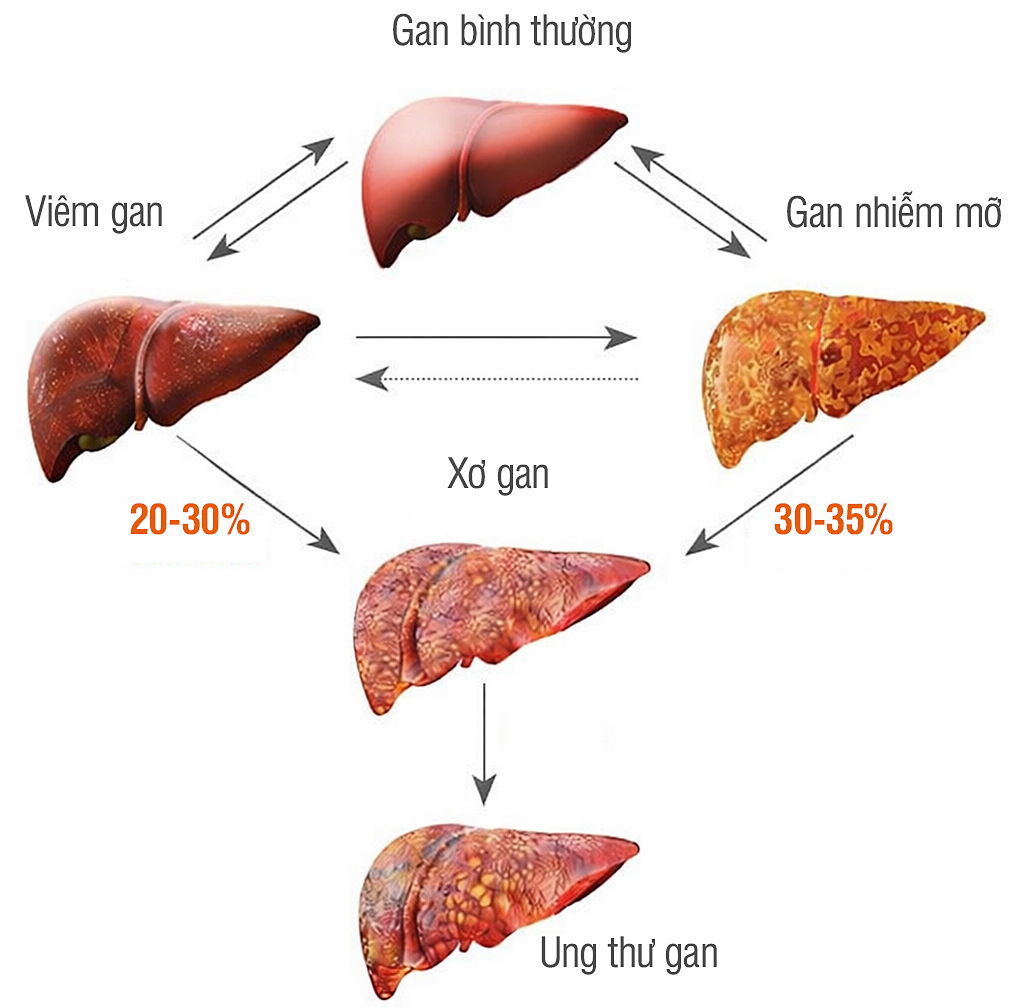 |
Description of liver disease progression through its stages. Photo: Eco Pharmaceutical Joint Stock Company |
Doctor Binh noted that individuals who are overweight or obese, have diabetes, dyslipidemia, or insulin resistance also contribute to increased fat accumulation in the liver, accelerating damage. Therefore, this group should proactively seek early screening and treatment for fatty liver disease. For diagnosis, doctors may order an abdominal ultrasound, liver elastography, or magnetic resonance imaging (MRI) to detect fatty liver disease.
To prevent and limit the progression of fatty liver disease, Doctor Binh advises patients to closely manage underlying factors such as blood pressure, blood sugar, and blood fat. Lifestyle adjustments include modifying diet by reducing refined carbohydrates, animal fats, and fructose, while increasing green vegetables and beneficial fats like omega-mot from fatty fish, olive oil, and nuts. Regular physical activity and weight management also help reduce the risk of disease progression.
Supplementing with natural extracts from Wasabia and S. Marianum can enhance detoxification and support liver protection by controlling excessive Kupffer cell activity, thereby reducing inflammation and liver damage.
Thai Thanh
| Readers can ask questions about liver disease here for doctors to answer. |


