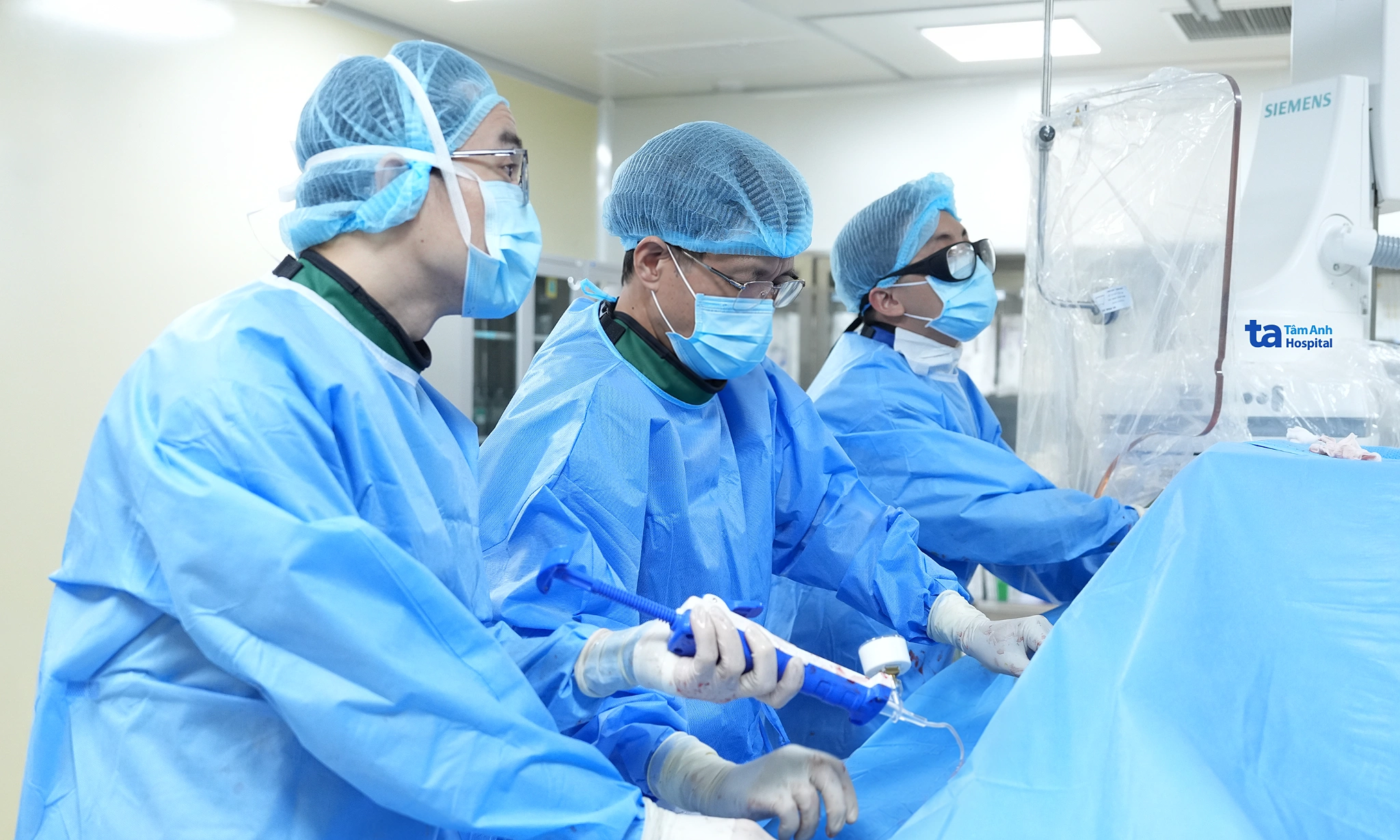
Hand, foot, and mouth disease (HFMD) cases are increasing in many localities across Vietnam. Ca Mau recorded over 1,470 cases since the beginning of the year, a 149% increase compared to the same period. Ho Chi Minh City also reported a cumulative total exceeding 20,400 cases. Doctor Truong Huu Khanh, Vice Chairman of the Ho Chi Minh City Infectious Diseases Association, stated that HFMD typically has two peak seasons in Vietnam: the first from April to July, and the second in the later months of the year. This year, the EV71 virus, often linked to severe cases, neurological complications, and fatalities, has been circulating during the first outbreak season.
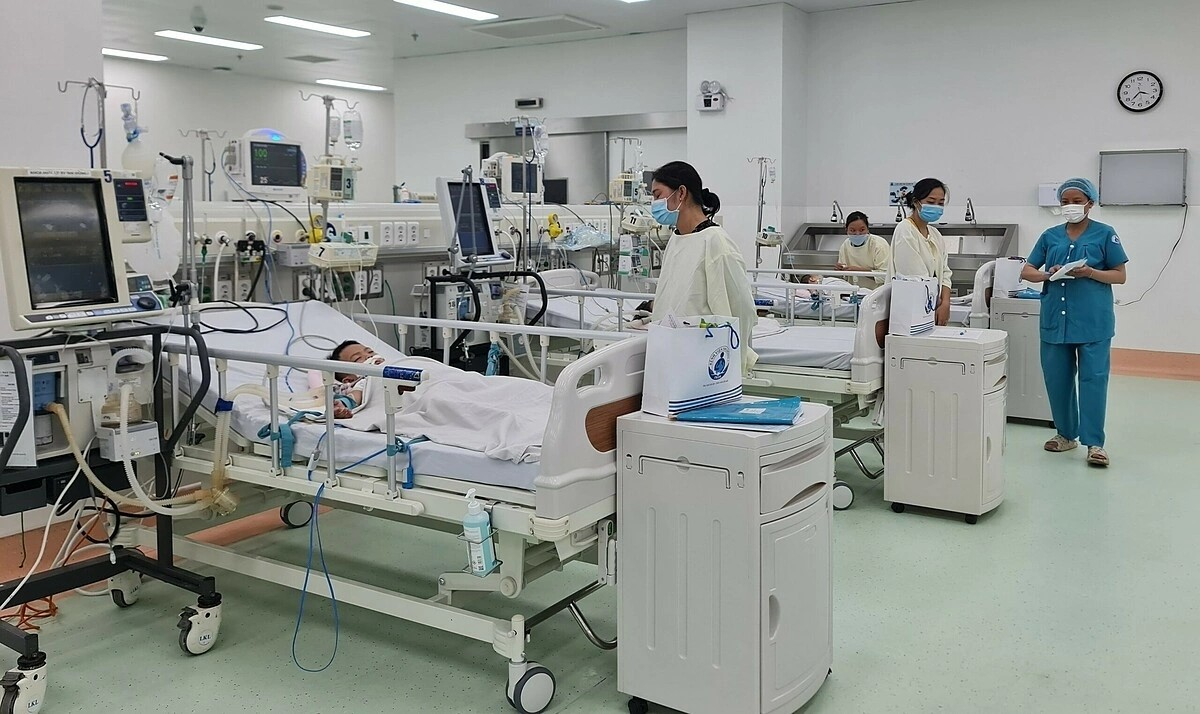 |
Children with severe hand, foot, and mouth disease requiring mechanical ventilation and dialysis at Children's Hospital 1. Photo: Le Phuong |
According to Doctor Khanh, the period from day two to day five of the illness requires close monitoring, as this is when some children begin to develop complications. Warning signs include a fever lasting more than two days, a high fever of 39 degrees Celsius that is difficult to reduce even with proper medication, frequent vomiting, or continuous nausea.
Neurological signs are a critical warning category. Children may startle awake just as they fall asleep, jerk, have abnormal eye movements, and then fall back asleep. This differs from normal movements during deep sleep. Additionally, children might experience tremors in their limbs, an unsteady gait, limb weakness, or difficulty walking. If these signs appear, parents must take their child to the hospital immediately, as the disease can worsen within hours.
Once neurological signs appear, the disease is no longer a typical mild progression. Some children may develop autonomic nervous system dysfunction, characterized by a rapid pulse and abnormally elevated blood pressure, which can then progress to respiratory or circulatory failure if not treated promptly.
EV71 is a notable strain causing HFMD because it can be associated with neurological complications. In severe cases, children may suffer from meningitis, encephalitis, brainstem encephalitis, or acute flaccid paralysis. When the damage affects regions controlling respiration, heart rate, and blood pressure, children are at risk of acute pulmonary edema, respiratory failure, cardiovascular disorders, and shock. Symptoms such as rapid or labored breathing, cyanosis, sweating, cold limbs, a rapid pulse, or lethargy are dangerous signs. Children require early emergency care, especially when neurological symptoms are accompanied by respiratory or circulatory abnormalities.
Doctor Khanh noted that HFMD can affect both young and older children. The source of infection typically comes from daily living environments such as daycares, schools, toys, shared items, or caregivers exposed to the pathogen. When a child in the household has the disease, maintaining environmental hygiene helps reduce the risk of spread but cannot eliminate it entirely.
Children with mild HFMD can be cared for at home under a doctor's guidance and usually recover after 7 to 10 days. They may experience a mild fever, loss of appetite, excessive drooling, fussiness, or mouth pain. After one to two days, blisters may appear on the palms, soles, knees, buttocks, or be accompanied by mouth ulcers.
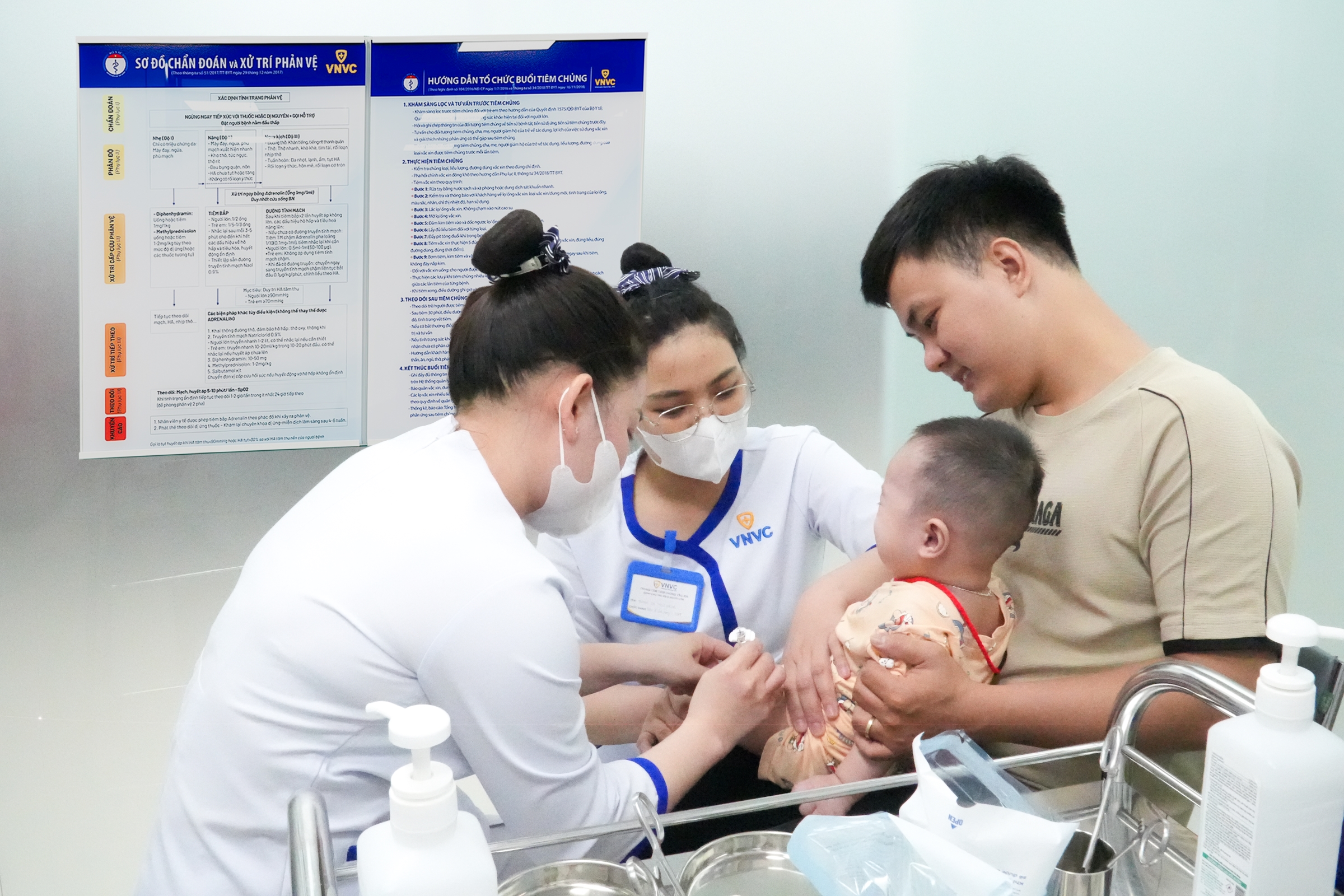 |
Young children receiving disease prevention vaccine at VNVC Vaccination Center System. Photo: Moc Thao |
Regarding vaccines, the Drug Administration of Vietnam, under the Ministry of Health, has licensed the first EV71 hand, foot, and mouth disease vaccine in Vietnam. The vaccine is indicated for children from two months to under six years of age. The VNVC Vaccination System is expediting procedures to implement vaccinations for children soon.
Doctor Le Thi Truc Phuong, Medical Specialist at the VNVC Vaccination System, stated that HFMD in Vietnam tends to erupt in cycles. Major outbreaks were recorded in 2011-2012, 2017-2018, and 2023. The interval between recent large outbreaks is approximately 3-4 years. Given the increase in cases in 2026 and the presence of EV71 in many localities, the epidemic requires close monitoring.
Parents must maintain personal hygiene for children, washing hands frequently with soap, cleaning toys, doorknobs, and surfaces children often touch, and limiting the sharing of personal items. When a child is ill, closely monitor their temperature, eating, sleeping, vomiting, and neurological signs. Children should stay home from school as advised by a doctor or the school to limit further spread.
Doctor Phuong noted that the EV71 vaccine helps prevent disease caused by the EV71 strain, an agent linked to many severe cases, but it does not replace hygiene measures and monitoring for warning signs. Parents still need to take their child for a medical examination if the child has a high, persistent fever, frequent vomiting, startles awake, experiences limb tremors, walks unsteadily, is lethargic, or has abnormal breathing.
Binh An