A representative from the Ho Chi Minh City Department of Health announced on 4/12 that hand, foot, and mouth disease cases are markedly increasing, following seasonal patterns. Last week, the city reported 1,547 cases, a 15% rise compared to the average of the preceding four weeks. The total number of infections year-to-date has reached 32,637, marking a 64% increase from the same period in 2024.
Currently, hospitals are admitting 65 severe cases, classified as grade 2b and above. On average, three children have progressed to severe stages each week recently, a higher rate than earlier this year. Furthermore, tertiary medical facilities are treating 640 pediatric patients transferred from other provinces, with eight severe cases constituting the majority of critical cases.
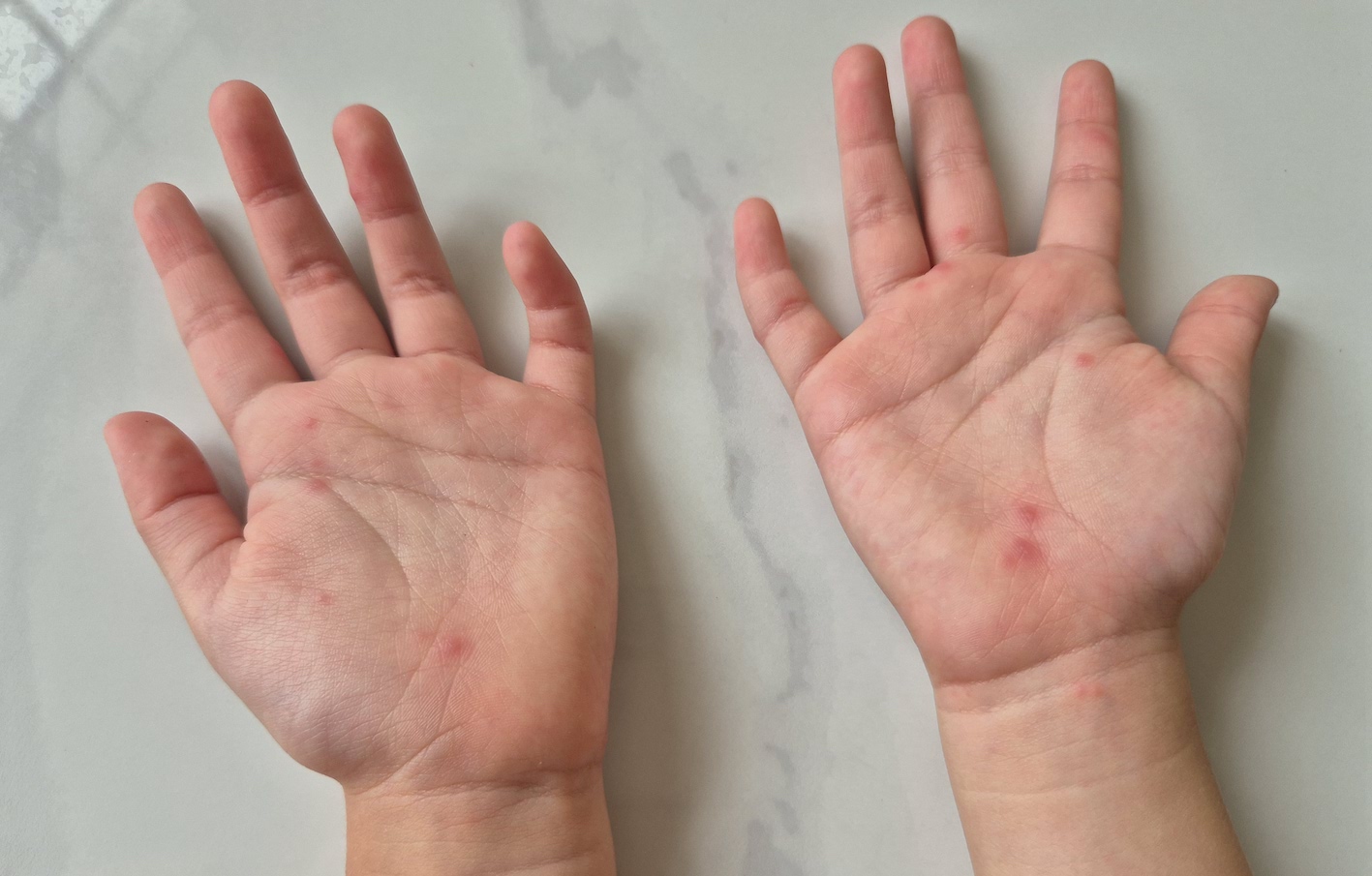 |
Child with hand, foot, and mouth disease. Photo: Le Phuong
The emergence of the EV71 pathogen is the primary cause for concern. In november, Children's Hospital one tested 18 severe hand, foot, and mouth disease cases, finding ten cases (56%) positive for EV71. The Ho Chi Minh City Center for Disease Control (HCDC) also detected EV71 since early november, following monitoring of over 400 samples since the start of the year. This pathogen's reappearance coincides with the increasing number of both overall and severe cases.
Health experts warn that EV71 spreads rapidly and can easily lead to neurological, respiratory, and circulatory complications. The city's health sector maintains that it has the situation under control, thanks to robust pediatric resuscitation capabilities and experience from previous outbreaks. The current caseload has not surpassed the 2023 epidemic peak. Parents should avoid excessive panic but must remain vigilant, particularly during the first 7-10 days after a child develops symptoms.
To prevent further outbreaks, the Department of Health requires schools and nurseries to conduct thorough cleaning, disinfect toys, and ensure that sick children stay home for the prescribed period. The treatment system has activated a rapid consultation process for cases with worsening conditions, aiming to minimize mortality risks.
For families with young children, doctors advise immediate hospital visits if warning signs appear, such as sudden startling with flailing movements, limb tremors, frequent vomiting, rapid breathing, lethargy, or persistent high fever. Frequent handwashing with soap for both caregivers and young children remains the most fundamental preventive measure.
Le Phuong