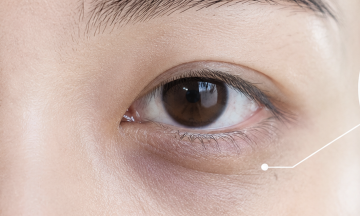
Dark circles are a condition where the skin beneath the lower eyelids appears darker than the surrounding area. According to Healthline, dark circles can affect people of any age but are more prevalent in older individuals, those with darker skin, or those with a genetic predisposition. Several other factors can also lead to this condition.
Aging thins the skin under the eyes
Aging is a common cause of dark circles. As people get older, the skin loses collagen and elasticity, becoming thinner. This makes the underlying blood vessels more visible, causing the area under the eyes to appear darker. The aging process also reduces soft tissue volume around the eyes, creating hollows and shadows that accentuate dark circles and make the face look tired.
Lack of sleep or poor quality sleep
Many people notice dark circles become more prominent after late nights. Insufficient sleep can make the skin appear paler, allowing blood vessels under the eyes to show more easily. Inadequate rest can also lead to fluid accumulation under the eyes, resulting in puffiness. In such cases, dark circles are sometimes just shadows created by swollen eyelids.
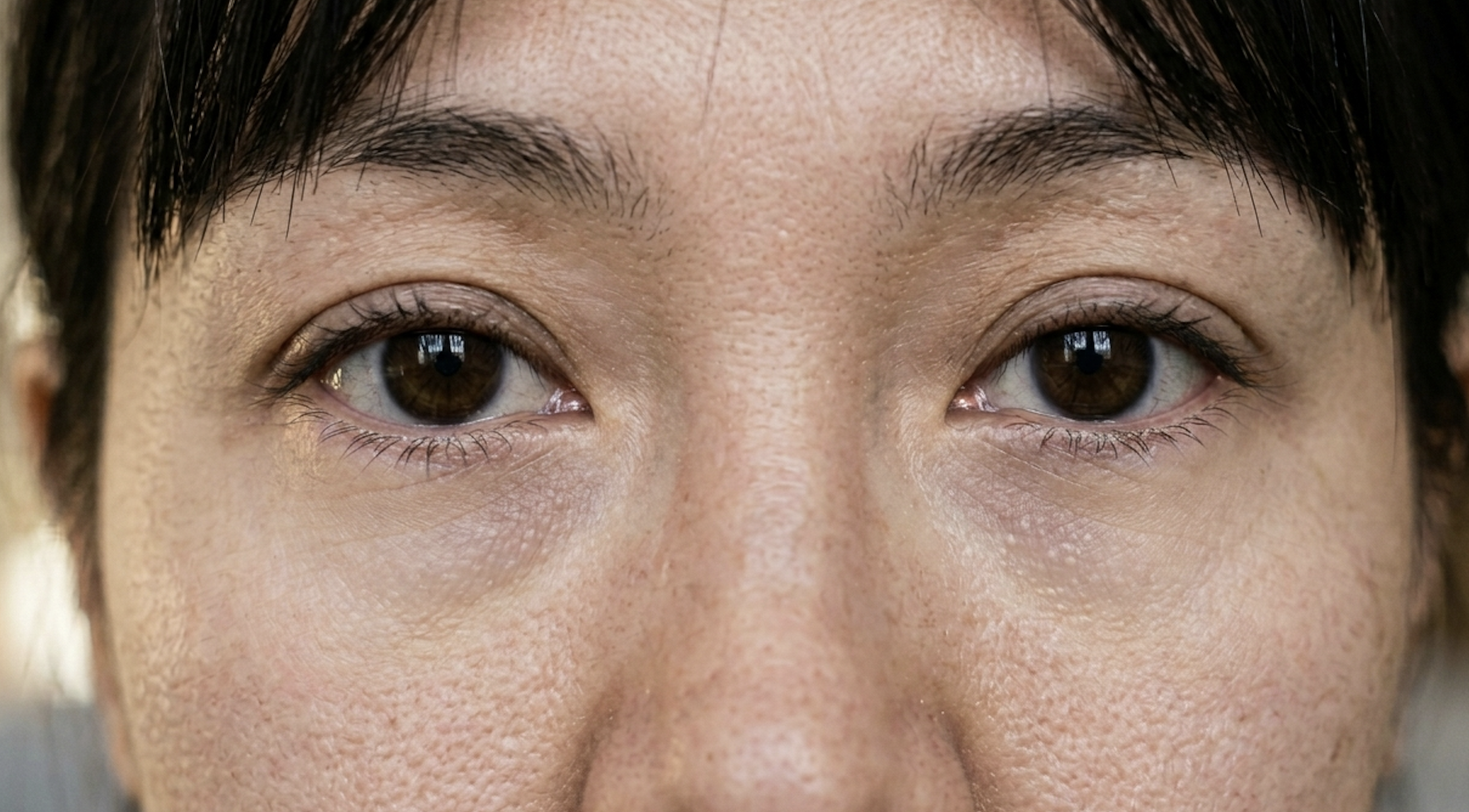 |
Lack of sleep can cause dark circles under the eyes. *AI-generated image*
Allergies and eye rubbing habits
According to Medical News Today, allergies are a frequently overlooked cause. When the body reacts to allergens, histamine is released, causing itchy, red, and swollen eyes. Regularly rubbing the eyes to relieve itching can lead to inflammation, dilating or damaging small blood vessels under the skin. Over time, the skin under the eyes may darken.
Dehydration
Dehydration affects overall health and can impact one's appearance. When the body lacks sufficient water, the skin under the eyes can become dull and sunken. Because this area has very thin skin and is close to the orbital bone structure, dehydration can make dark circles more noticeable.
Excessive sun exposure
According to Healthline, too much exposure to UV rays can stimulate the body to produce melanin, the pigment that determines skin color. When melanin production increases, the skin under the eyes may become darker.
This risk is particularly high for individuals who spend a lot of time outdoors without protective measures like sunglasses or sunscreen.
Experts state that dark circles under the eyes are largely not a sign of a serious medical condition. However, if the condition appears suddenly, worsens, or is accompanied by other unusual symptoms, individuals should consult a doctor to determine the cause.
To reduce dark circles, ensure adequate sleep, drink enough water, protect skin from sun, and manage any allergies.
By Bao Bao (Compiled)
| Readers can submit ophthalmology questions here for a doctor's consultation. |