Dengue fever is an acute infectious disease transmitted by the bite of an Aedes aegypti mosquito. The disease is caused by four dengue virus serotypes: Den-1, Den-2, Den-3, and Den-4. After contracting one serotype, the body develops immunity to that specific type, but it does not develop lasting cross-immunity to the other three types.
This means that individuals who have previously had dengue fever can still be reinfected a second, third, fourth, or even more times, particularly those with compromised immune systems.
During subsequent infections, antibodies from a previous infection can bind to the new virus type, facilitating the virus's entry into immune cells. This can trigger a stronger inflammatory response, leading to severe complications such as serious hemorrhage and shock.
Dengue fever typically begins with a sudden high fever of 39-40 degrees Celsius, accompanied by headache, pain behind the eyes, muscle and joint aches, fatigue, loss of appetite, or digestive disturbances. After approximately two to three days, the patient's fever may decrease or resolve, creating a false sense that the illness is subsiding.
However, this is a dangerous period because patients can enter a state of shock or experience uncontrollable bleeding. This occurs because the virus damages and increases the permeability of blood vessel walls, causing plasma to leak out of the bloodstream. This leads to blood concentration, reduced circulatory volume, and insufficient blood supply to vital organs.
 |
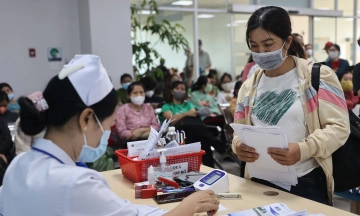
People receiving dengue fever vaccine at VNVC. *Photo: Binh An*.
Dengue fever is currently in peak season, with a sharp increase in cases and hospitalizations across localities. Many individuals are admitted to hospitals in severe condition with complications such as dengue shock, liver failure, and kidney failure, requiring intensive care. Even after overcoming the critical phase, patients can face prolonged sequelae including physical exhaustion, insomnia, hair loss, joint pain, and weight loss.
The cost of treating one severe case can range from hundreds of millions to billions of dong. According to statistics from the Ministry of Health, since the beginning of the year, the country has recorded over 94,000 dengue fever cases and 14 deaths.
Given the risk of reinfection and severe disease, vaccination is still necessary. The dengue fever vaccine is currently approved for individuals aged four years and older. The vaccination schedule involves two doses administered three months apart. The vaccine has demonstrated over 80% efficacy in preventing the disease and more than 90% efficacy in preventing hospitalization. Individuals who have previously had dengue fever should wait for their health to stabilize and consult a doctor to receive early vaccination.
In addition to vaccination, it is important to maintain mosquito and larval control measures and prevent mosquito bites. These include cleaning and clearing living areas, emptying water-holding containers such as bottles, jars, and pots, wearing long-sleeved clothing, and sleeping under mosquito nets.
Doctor Tran Huynh Tan
Medical Manager, VNVC Vaccination System
Readers can ask vaccine consultation questions for doctors to answer here.