Answer:
Hepatitis B is an infectious disease caused by the hepatitis B virus (HBV), primarily affecting liver cells. It is a common viral hepatitis in Vietnam. If not treated promptly and correctly, the disease can progress to a chronic state, increasing the risk of cirrhosis and liver cancer. Beyond medical treatment prescribed by a doctor, an appropriate diet can protect liver cells, support detoxification, and aid recovery.
You should prioritize green vegetables and fresh fruits rich in vitamin C, polyphenols, and flavonoids. These nutrients help reduce oxidative stress and inflammation in the liver. Whole grains, such as brown rice and oats, or sweet potatoes provide abundant fiber, promoting intestinal function, aiding digestion, and reducing fat accumulation in the liver.
It is also important to increase easily metabolized protein in your diet. Protein helps repair and replace damaged liver cells while reducing fat accumulation in the liver. Choose easily digestible protein sources like fish, lean meat, eggs, and tofu to support better liver function.
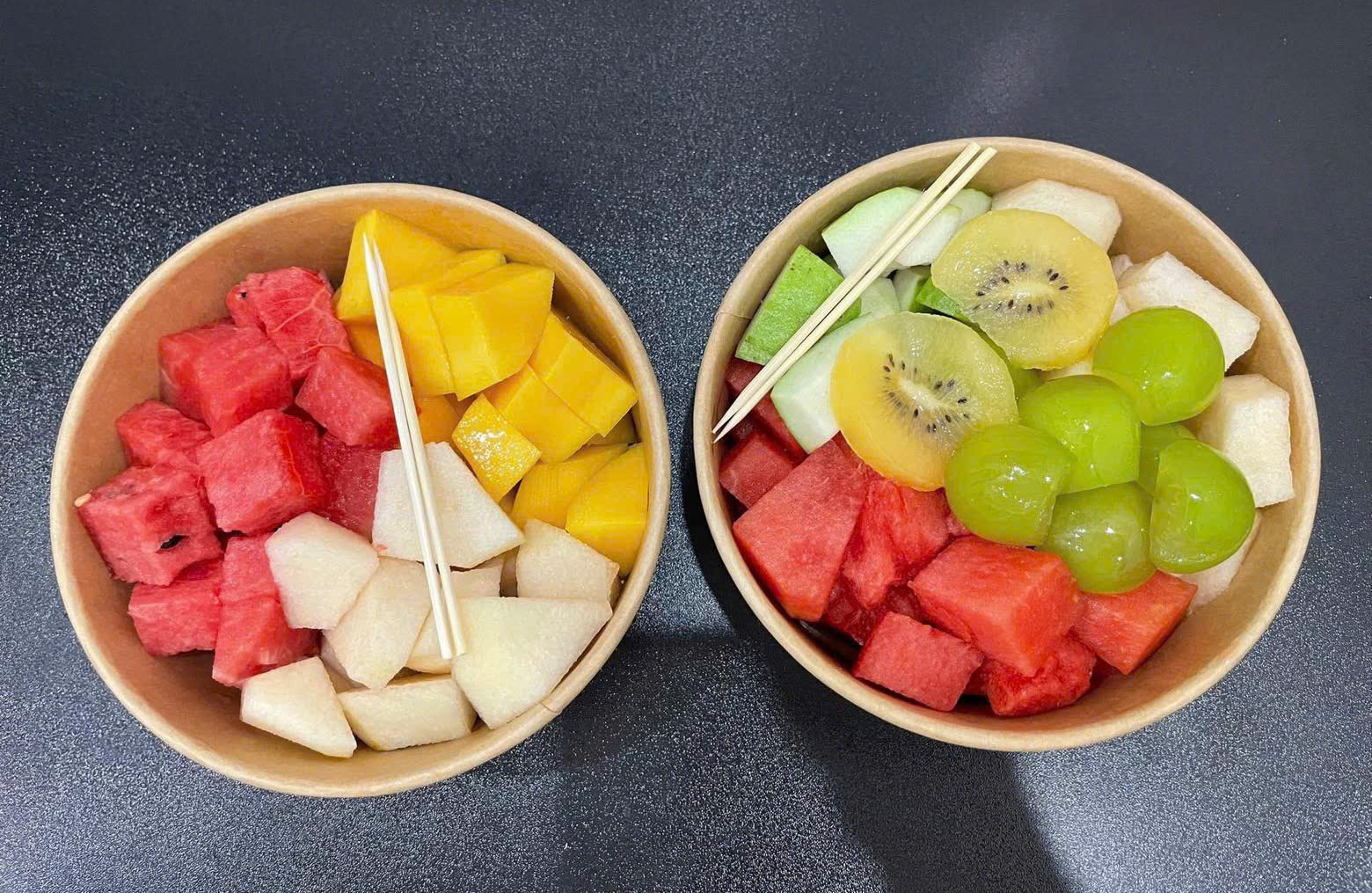 |
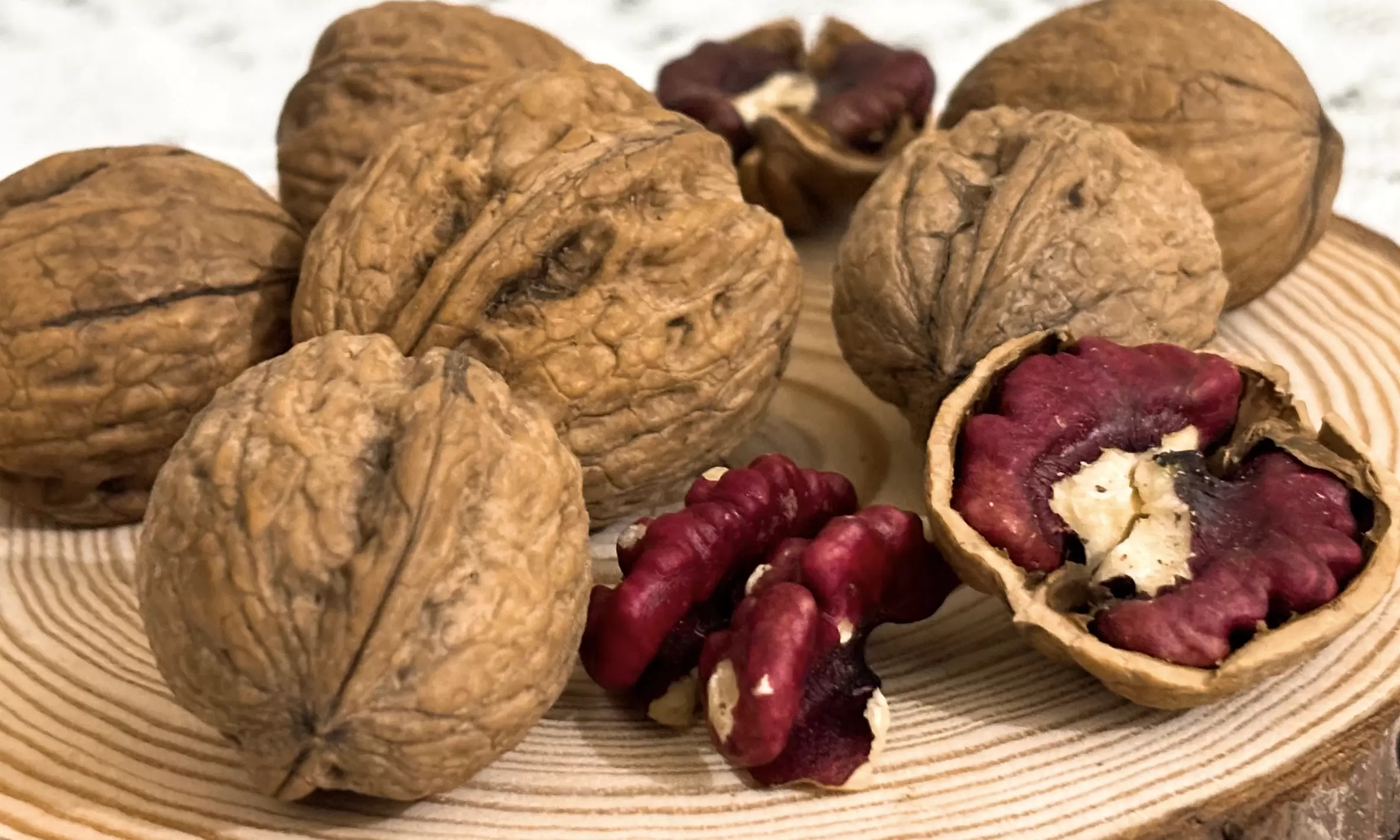
Fresh fruits rich in vitamins and minerals support detoxification, anti-inflammation, and protect liver cells. *Photo: Dinh Dieu*
Healthy fats from olive oil, fish oil, and nuts can help reduce inflammation and protect liver cells. Additionally, you can supplement with natural essences like wasabia and s.marianum. These have the ability to help control the activity of kupffer cells, a type of immune macrophage in the liver that can inhibit the production of inflammatory substances.
People with hepatitis B should avoid animal organs such as liver, intestines, and brain. These contain high cholesterol and unhealthy fats, which not only harm cardiovascular health but also affect liver and kidney function. Animal organs can also accumulate toxins, which, if not properly processed, can damage liver cells.
Alcohol is metabolized in the liver to produce acetaldehyde, a substance that directly damages liver cells. It also activates kupffer cells to produce many inflammatory factors, promoting inflammation and fibrosis. Avoid greasy, sugary, raw, or fermented foods to reduce metabolic pressure on the liver. This also helps prevent infections and toxins that can trigger inflammatory reactions and worsen hepatitis B.
Beyond diet, patients should maintain a healthy lifestyle. This includes regular exercise, adequate rest, and adherence to treatment to control hepatitis B and reduce the risk of complications.
Master, Doctor Doan Vinh Binh
Medical Information Center
Tam Anh General Hospital, TP HCM
| Readers can ask questions about liver disease here for doctors to answer. |