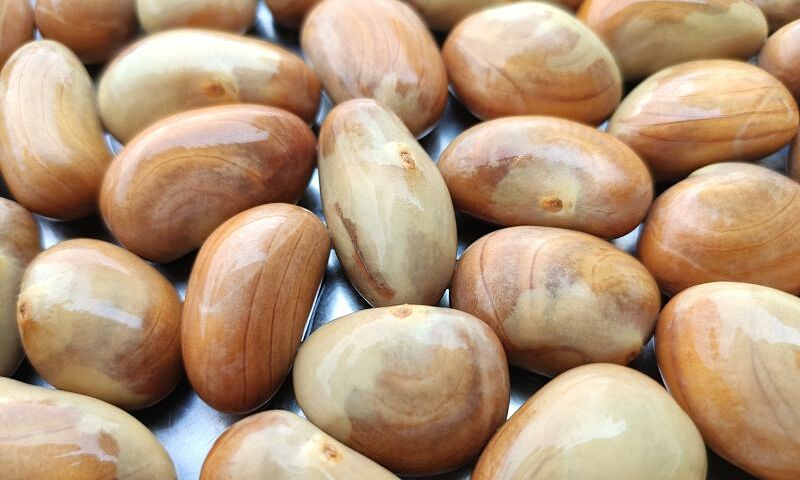
Walnuts are a nutritional powerhouse, offering numerous benefits that make them an ideal breakfast choice for children. Consuming walnuts in the morning can kickstart a child's day with essential nutrients, supporting their growth and overall well-being.
Walnuts provide omega-3 (alpha-linolenic acid), a nutrient crucial for brain development and memory. This fatty acid aids nerve cell function, enhancing recall and learning. Walnuts also offer antioxidants, guarding the brain against damage.
Children can strengthen their immune system by consuming walnuts, thanks to their rich content of omega-3, vitamin E, zinc, and antioxidants. These nutrients help reduce inflammation, protect cells from harmful agents, and enhance the body's ability to combat bacteria and viruses, thereby lowering the risk of infections and colds.
Walnuts contain essential minerals such as magnesium, phosphorus, and calcium, which are crucial for the development of strong bones and teeth during various growth stages. These nutrients also contribute to enhanced muscle function.
The fiber in walnuts helps regulate bowel movements and promotes the growth of beneficial gut bacteria. A healthy digestive system ensures better nutrient absorption and a robust immune system. Children who consume fiber-rich foods like walnuts for breakfast also reduce their risk of experiencing digestive problems.
The abundant omega-3 in walnuts helps reduce inflammation in blood vessels, limiting plaque formation and maintaining vascular health. This also improves cholesterol balance by lowering low-density lipoprotein (LDL) and increasing high-density lipoprotein (HDL), thereby supporting stable blood circulation.
Foods rich in healthy fats help children feel full longer, reducing snacking and controlling calorie intake. Walnuts also support metabolic processes, encouraging the body to use energy efficiently rather than storing fat.
Children can consume around 2 to 4 walnuts daily to avoid bloating. Parents should grind them and mix them into yogurt, cereal, porridge, or baked goods. When first introducing walnuts, parents should closely monitor their child for any allergic reactions. Always choose fresh, mold-free, and odor-free walnuts to ensure safety. Combining walnuts with a diverse diet will help children develop better.
Le Nguyen (According to Times of India)