


On 23/4, Master, Doctor Phan Bao Toan of the Surgery Department, Gia An 115 Hospital, reported that the large gallstone had caused the patient's gallbladder to dilate significantly and had been present for a long time without causing symptoms. Its discovery occurred during the patient's general health check-up. Due to the high risk of complications associated with such a large stone, doctors promptly recommended and performed laparoscopic cholecystectomy to remove it.
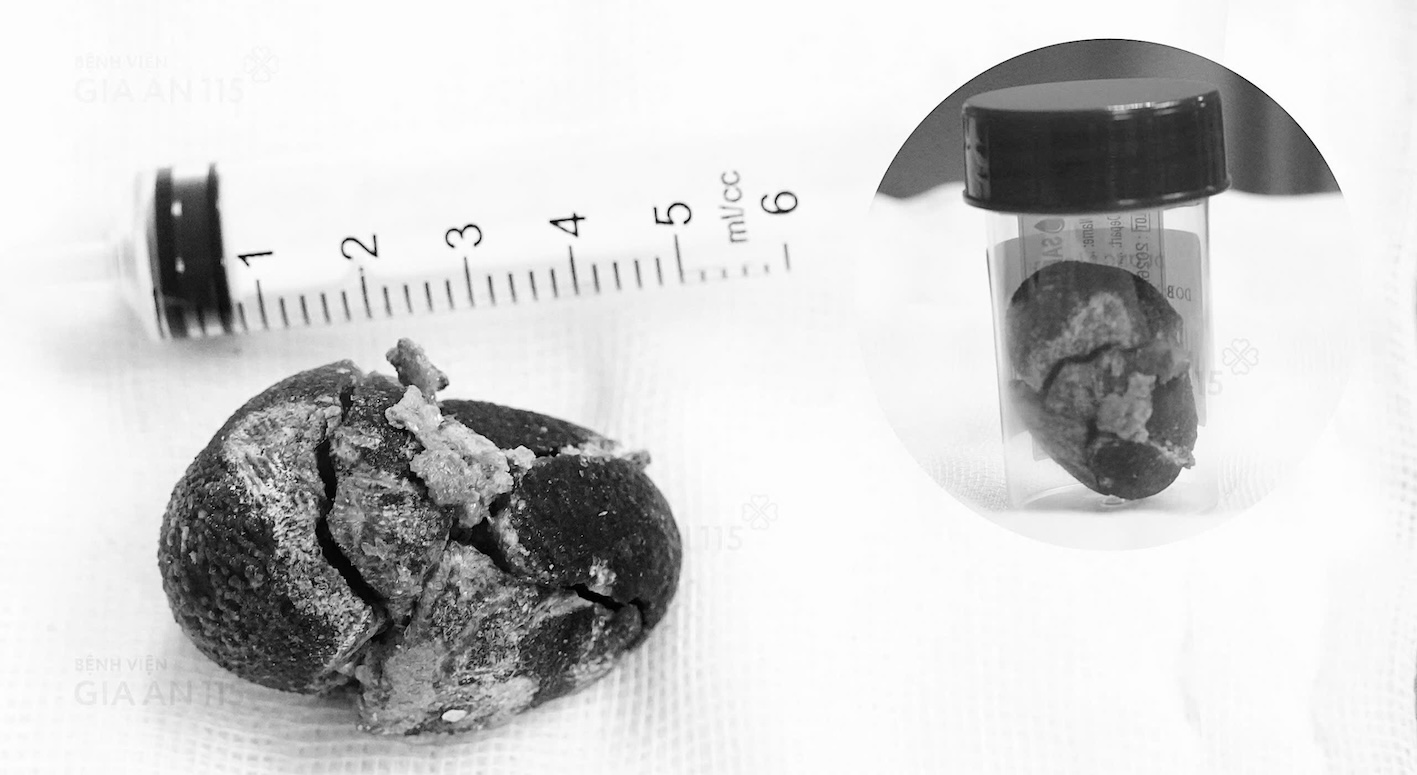 |
The gallstone was surgically removed by doctors. Photo: Hospital provided |
Gallstones are a common condition, frequently progressing silently and often detected during routine health screenings. They form when there is an imbalance in bile composition, particularly an increase in cholesterol, causing substances to crystallize and develop into stones over time.
According to Doctor Toan, several factors increase the risk of gallstone formation: a diet high in fat, a sedentary lifestyle, prolonged meal skipping, being overweight or obese, or a family history of the condition. Bile stasis or bile duct infections can also contribute to their development.
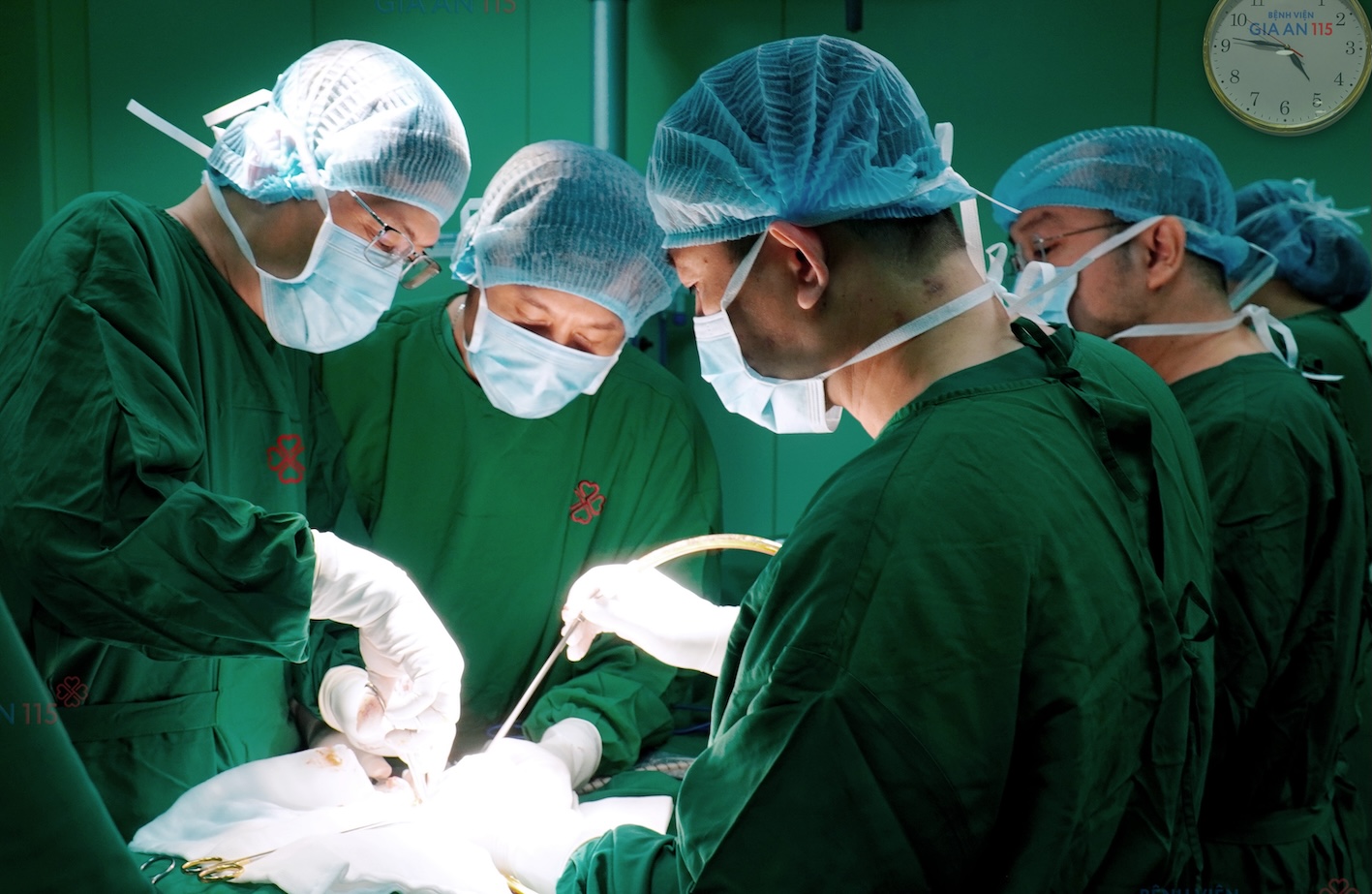 |
Doctors performing surgery on the patient. Photo: Hospital provided |
While not all cases require immediate surgery, it is an effective treatment method for large gallstones (from about 3 cm), those that occupy most of the gallbladder, or when there is a risk of complications. If not monitored and managed appropriately, gallstones can lead to serious conditions such as acute cholecystitis, bile duct obstruction, bile duct infection, acute pancreatitis, and even increase the risk of gallbladder cancer in cases of large stones.
Doctors recommend that adults undergo regular health check-ups, including abdominal ultrasounds, to detect bile duct conditions early, even without symptoms. If symptoms such as pain in the right upper abdomen, bloating, nausea after consuming fatty foods, or unexplained fever appear, it is important to seek medical attention promptly.
Le Phuong


