Published in Gerontology in March, a study tracked over 3,800 individuals aged 70 and older since 2016. Researchers assessed various biological aging markers, including inflammation, innate immunity, adaptive immunity, and blood circulation, after participants received the shingles vaccine.
The results showed that individuals vaccinated against shingles after age 60 exhibited slower signs of biological aging. This finding held true regardless of differences in race, income, or health. Vaccinated participants also had lower inflammation markers, a slower biological aging rate, and lower overall aging scores.
Dr. Jung Ki Kim, a research lecturer in gerontology at the University of Southern California, US, represented the research team. He explained that biological aging reflects the body's functional level. Two people of the same chronological age can have very different "biological ages," depending on their inflammation levels, immune health, and molecular processes within the body.
Chronic low-grade inflammation contributes to many age-related diseases. Some experts refer to this phenomenon as "inflammaging," a term combining inflammation and aging. The vaccine appears to help mitigate this process.
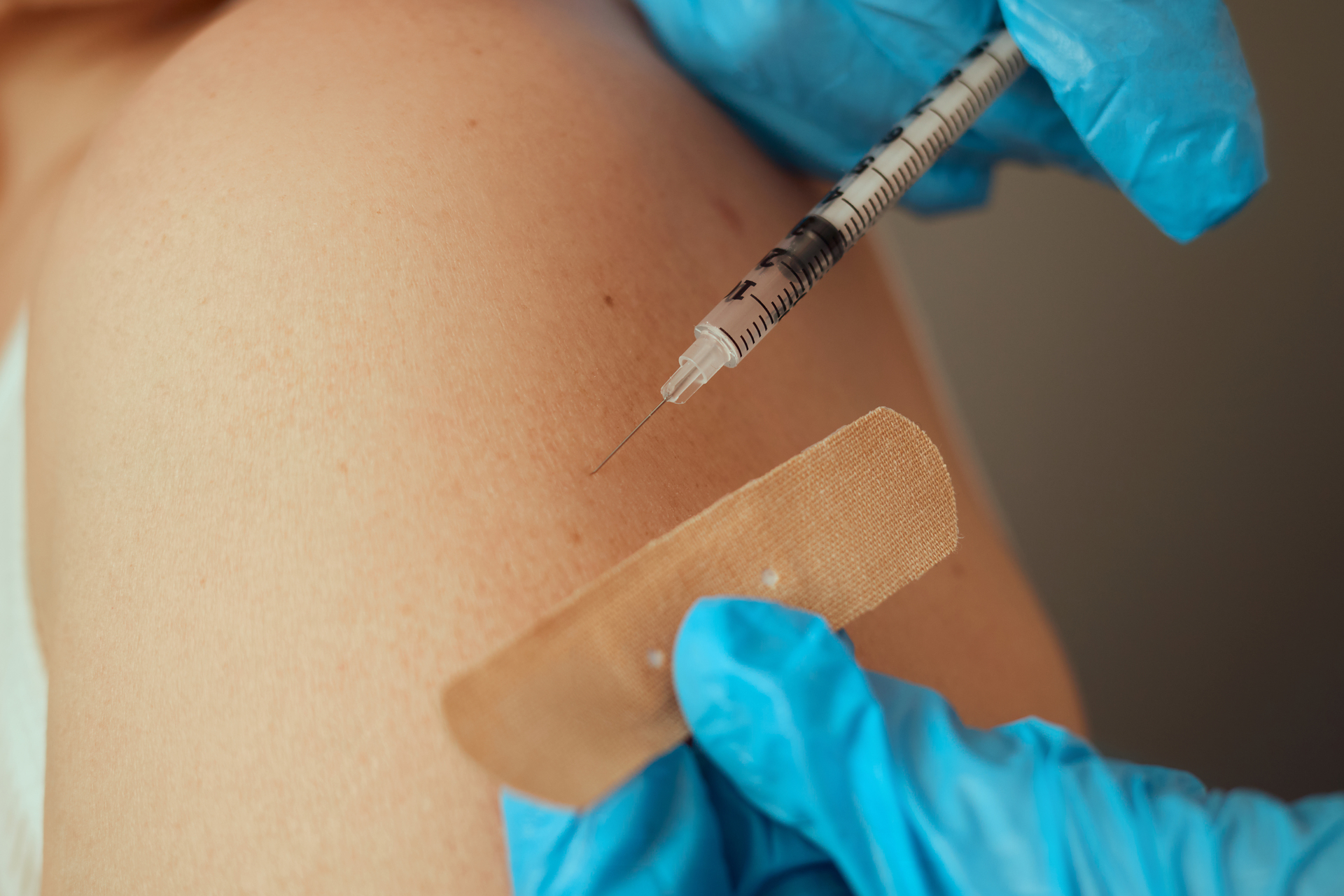 |
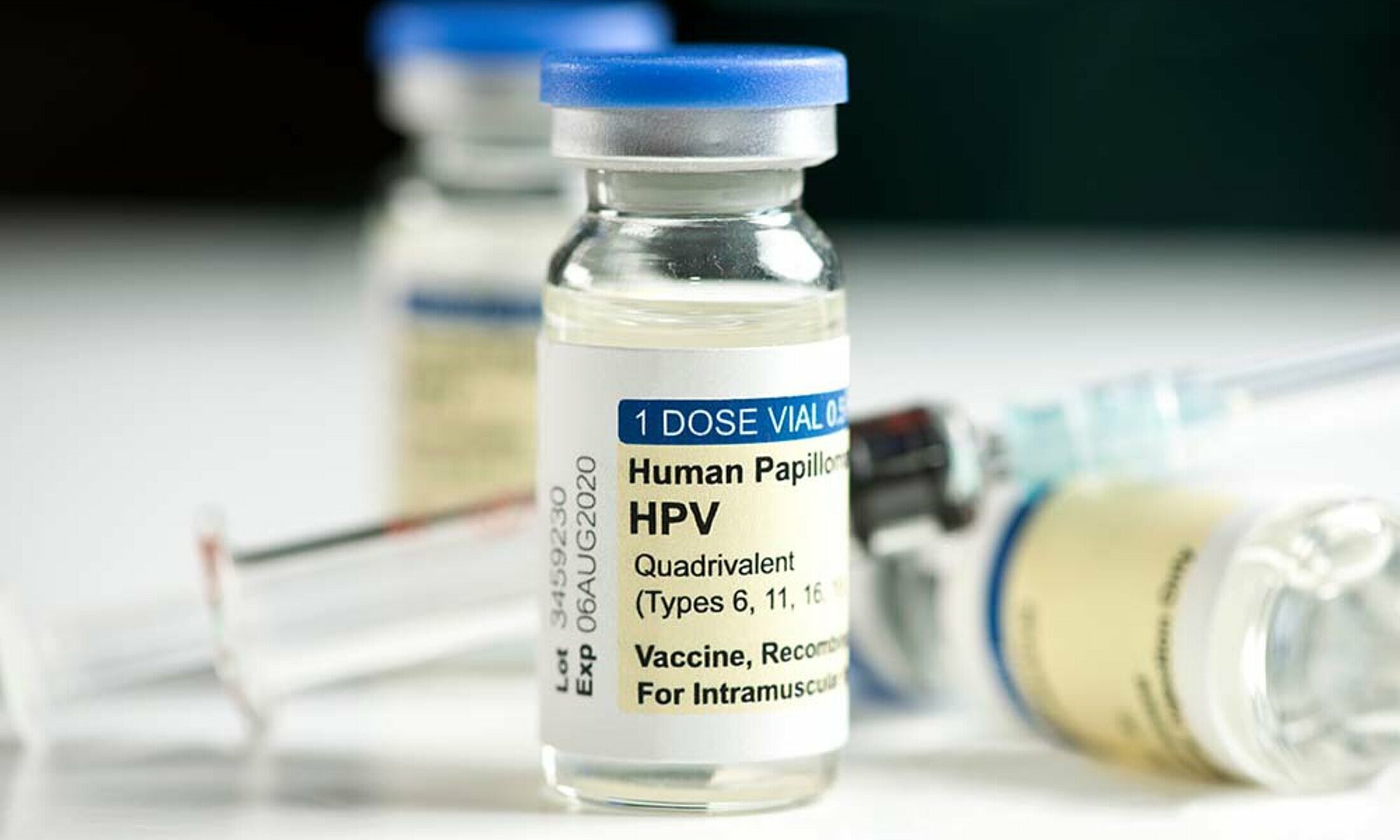
Illustration of the shingles vaccine injection process. Photo: Vecteezy. |
Furthermore, the virus that causes shingles can silently reactivate in the body, placing prolonged stress on the immune system. Vaccination helps alleviate this burden, thereby slowing the body's aging process.
Despite the promising results, the study has some limitations. As an observational study, it only indicates an association and does not prove the mechanism by which aging is reduced. It also does not clarify whether the vaccine truly slows aging or if vaccinated individuals simply have better living conditions.
Shingles is caused by the varicella zoster virus, which is also responsible for chickenpox. The vaccine is recommended for individuals aged 50 and older, or those aged 18 and above with weakened immune systems.
Beyond this study, other scientific evidence also suggests that the shingles vaccine helps lower the risk of dementia and cardiovascular issues. One study noted a 20% reduced risk of dementia over seven years for vaccinated individuals, and a 23% lower incidence of myocardial infarction, stroke, and atrial fibrillation.
Van Ha (According to Everyday Health)