Answer:
The swallowing difficulties and chest discomfort you are experiencing may stem from the tumor narrowing the esophageal lumen or irritating the surrounding mucosa. The esophagus typically has a diameter of about 2-3 cm; therefore, even a small tumor can disrupt the passage of food to the stomach, causing discomfort.
Doctors usually determine the timing of surgery based on the nature and size of the tumor. For benign esophageal tumors, such as leiomyomas, that are smaller than 2 cm and asymptomatic, doctors often recommend regular monitoring. However, if a tumor grows to 2 cm or larger, begins to compress and narrow the esophageal lumen or nearby organs in the mediastinum (chest cavity), or causes complications like ulceration or hemorrhage, immediate intervention is necessary.
In cases of malignant tumors, even if they are only a few millimeters in size but have invaded through the mucosal layer, patients require esophagectomy and lymph node dissection.
You should visit reputable hospitals with a Thoracic Surgery department for examination. Doctors may order an esophageal endoscopy and a chest computed tomography (CT) scan. Based on the results of diagnostic imaging and a biopsy, they will recommend the most appropriate treatment method.
 |
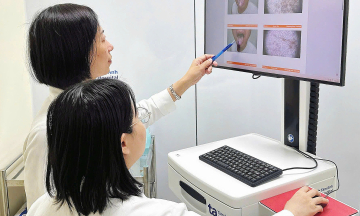
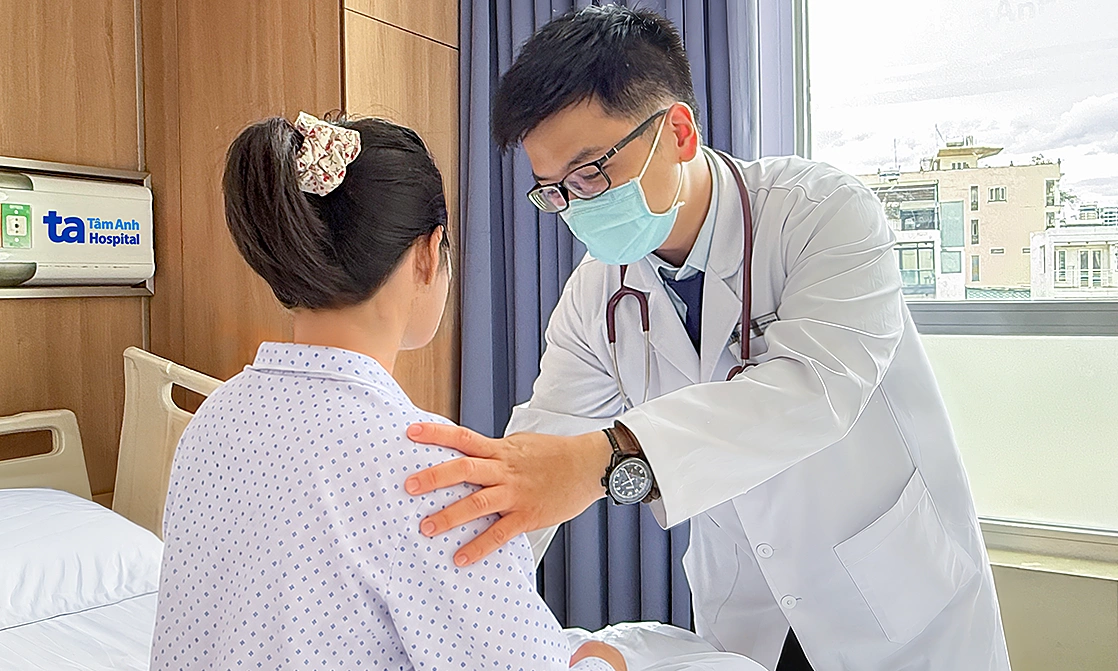
Associate Professor Vinh advises patients. Illustration: Tam Anh General Hospital. |
Many patients worry that esophageal intervention could lead to severe complications because the esophagus is located in a complex position within the chest cavity, close to the heart, lungs, thoracic aorta, and spine. Traditional open surgery often involves a sternotomy, resulting in significant invasion, pain, and a high risk of complications.
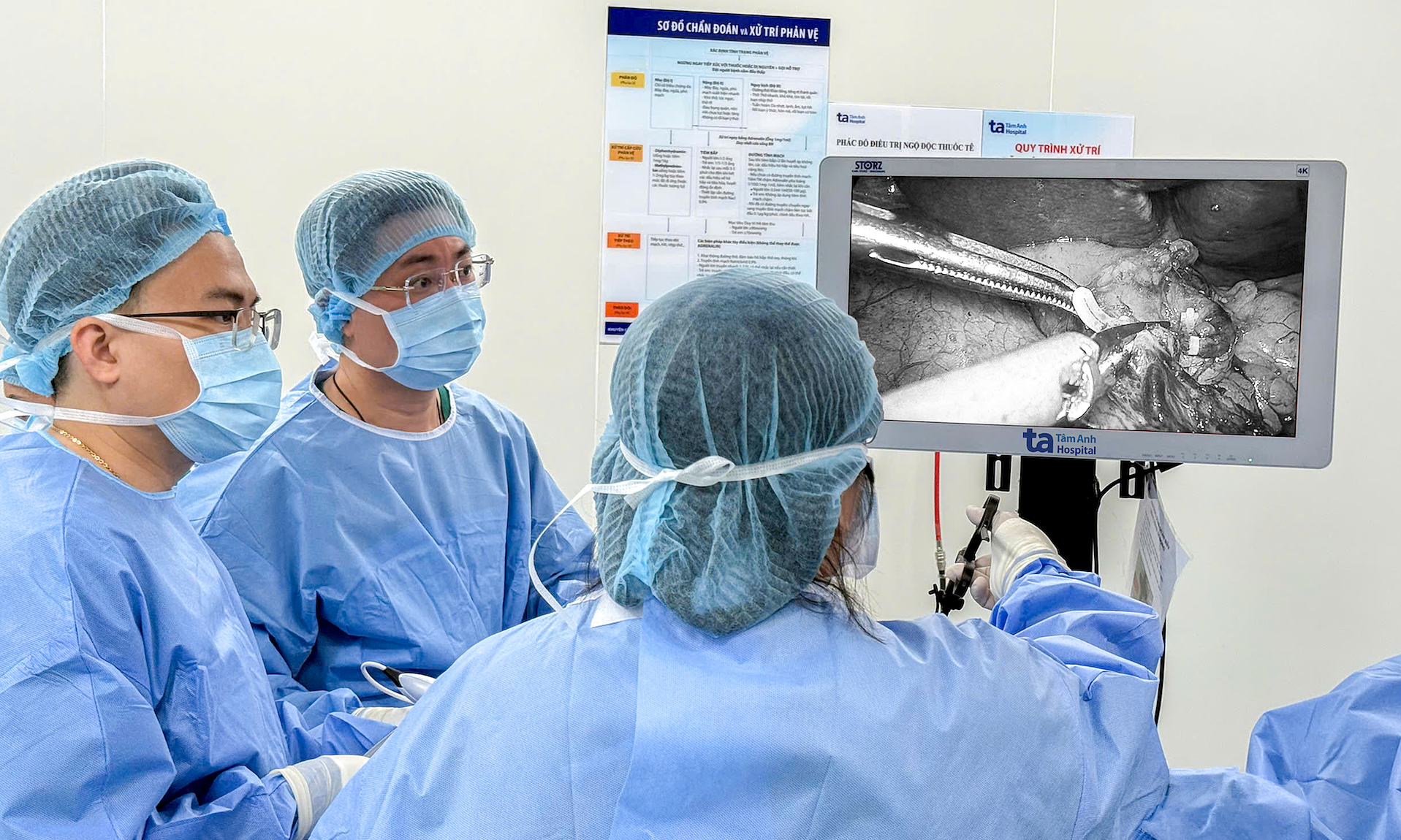
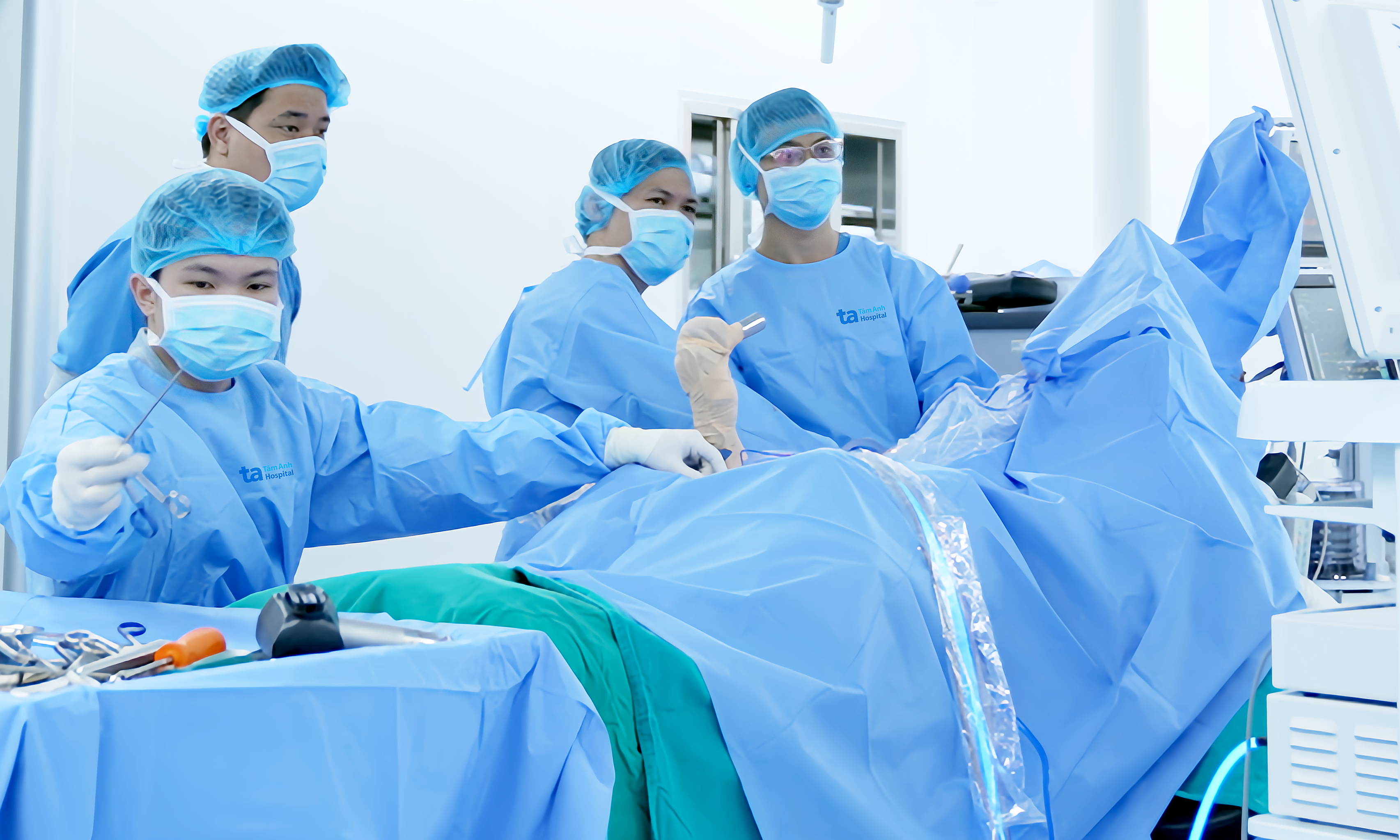
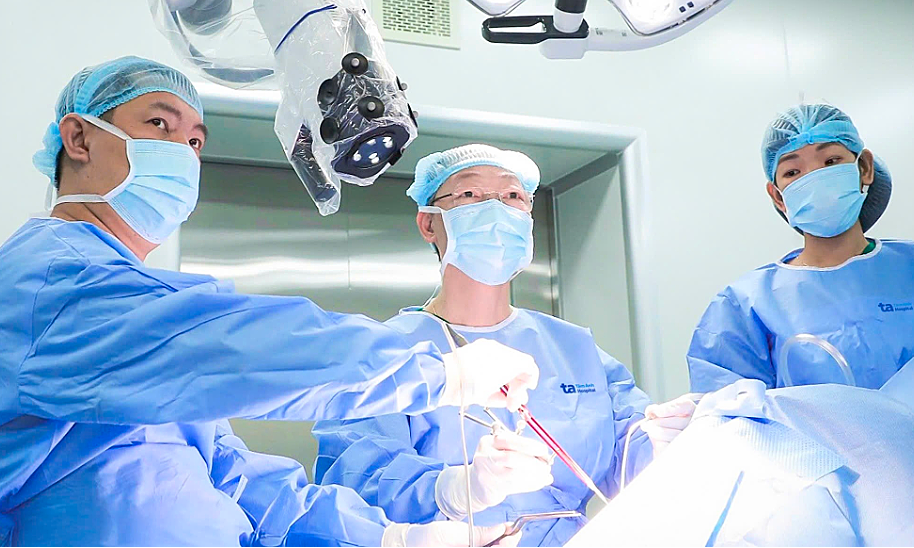
Modern medicine now offers many minimally invasive surgical techniques that make the treatment process gentler. For small tumors located in the mucosal layer, doctors can perform endoscopic resection through the mouth without needing a skin incision.
Larger or more complex tumors can be removed via endoscopic surgery, often assisted by the Da Vinci Xi robot. This technology helps remove the entire lesion while maximally preserving the function of nearby organs. As a result, patients experience less pain, shorter hospital stays, and fewer complications.
After surgery, patients need to maintain a scientific diet, divide meals into smaller portions, and prioritize soft foods. Regular follow-up appointments are essential to monitor the esophageal condition post-surgery. Patients should avoid alcohol and tobacco, and definitively treat gastroesophageal reflux disease (GERD), if present, to prevent tumor recurrence.
Associate Professor, Doctor Vu Huu Vinh
Director of the Thoracic and Vascular Surgery Center
Tam Anh General Hospital, Ho Chi Minh City
| Readers can submit questions about cancer here for doctors to answer. |