Doctor Ngo Gia Khanh, Head of Thoracic Surgery at Bach Mai Hospital, released clinical data showing that nearly 70% of lung nodules under 3 cm harbor cancerous potential. The expert emphasized that the medical field has completely abandoned the view of "waiting for a large tumor before surgery." Instead, doctors advise patients to seize the "golden opportunity" for radical surgery immediately upon early detection of lesions, helping to preserve their health and avoid arduous adjuvant chemotherapy.
Clinical experience shows that people often have a complacent mindset, only seeking medical attention when their body exhibits severe symptoms like coughing blood or chest pain. Doctors frequently discover malignant lung tumors incidentally when patients undergo check-ups for cardiovascular, neurological, or metabolic conditions. This complacency allows the disease to progress rapidly, complicating the treatment process.
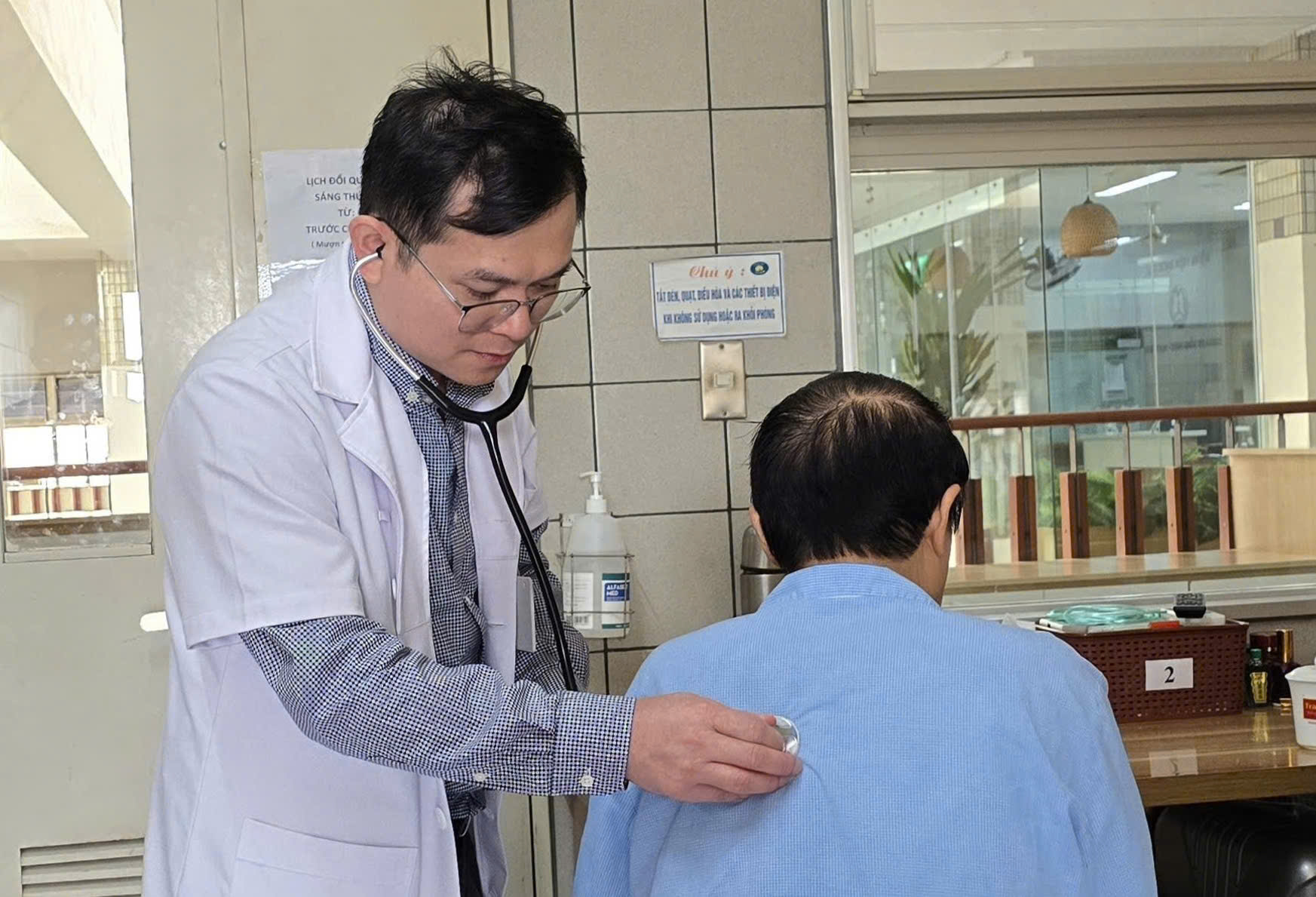 |
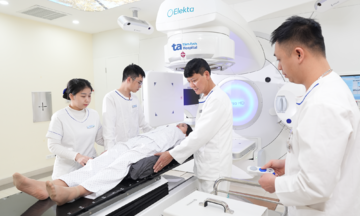
A lung cancer patient undergoing treatment at Bach Mai Hospital. Photo: Kim Long |
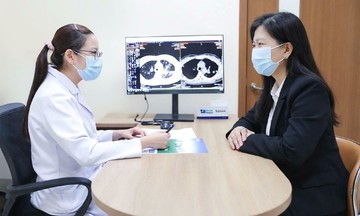
To increase patient survival rates, Bach Mai Hospital currently uses artificial intelligence (AI) combined with a team of leading experts in diagnosis. Associate Professor Pham Cam Phuong, Director of the Center for Nuclear Medicine and Oncology, stated that the healthcare system has shifted towards personalized treatment regimens from the outset, based on each patient's genetic characteristics. This approach helps doctors accurately assess the nature of the tumor and propose the most optimal intervention.
Experts affirm that lung cancer is not a death sentence if individuals proactively undergo regular screening. Groups needing special attention include: smokers, patients with chronic lung diseases (COPD, pulmonary fibrosis, tuberculosis), and those with a family history of cancer. Particularly in Vietnam, women exposed to secondhand smoke or people living and working in polluted environments, with long-term exposure to toxic chemicals, also face a very high risk of developing the disease.
Le Nga