No, drinking coffee every day instead of water is not advisable. While coffee is a popular beverage that offers health benefits when consumed in moderation, exceeding safe limits transforms it from a stimulant into a significant risk factor for cardiovascular health.
The primary reason is caffeine, a stimulant that activates the sympathetic nervous system. This leads to a temporary increase in heart rate, blood pressure, and the heart muscle's oxygen demand. For individuals with existing coronary artery disease, this sudden rise in blood pressure and heart rate can trigger a myocardial infarction or an angina attack. Excessive consumption over time keeps the heart and blood vessels overly stimulated.
Beyond caffeine, unfiltered drip coffee, a common preparation method in Vietnam, retains oily substances like cafestol and kahweol. These compounds can elevate low-density lipoprotein (LDL), often referred to as "bad" cholesterol, and diminish the liver's ability to metabolize cholesterol. This process accelerates atherosclerosis, the hardening and narrowing of arteries.
Studies indicate that consuming 5 cups of unfiltered coffee daily can increase total cholesterol by approximately 8-10 mg/dL. At very high doses, exceeding 5-6 cups per day, LDL cholesterol levels may rise by an additional 15-20 mg/dL or more.
Drinking 10 cups daily can lead to an intake of 20-30 mg of cafestol, which is sufficient to directly and consistently increase total cholesterol by 10-15 mg/dL. This promotes the formation of unstable atherosclerotic plaques, heightening the risk of acute myocardial infarction.
Furthermore, caffeine inhibits melatonin, a hormone crucial for regulating sleep and providing antioxidant protection for the cardiovascular system. Caffeine also sustains high cortisol levels at night, which can promote systemic inflammation and insulin resistance. Abusing coffee increases the risk of insomnia, which is detrimental to heart health.
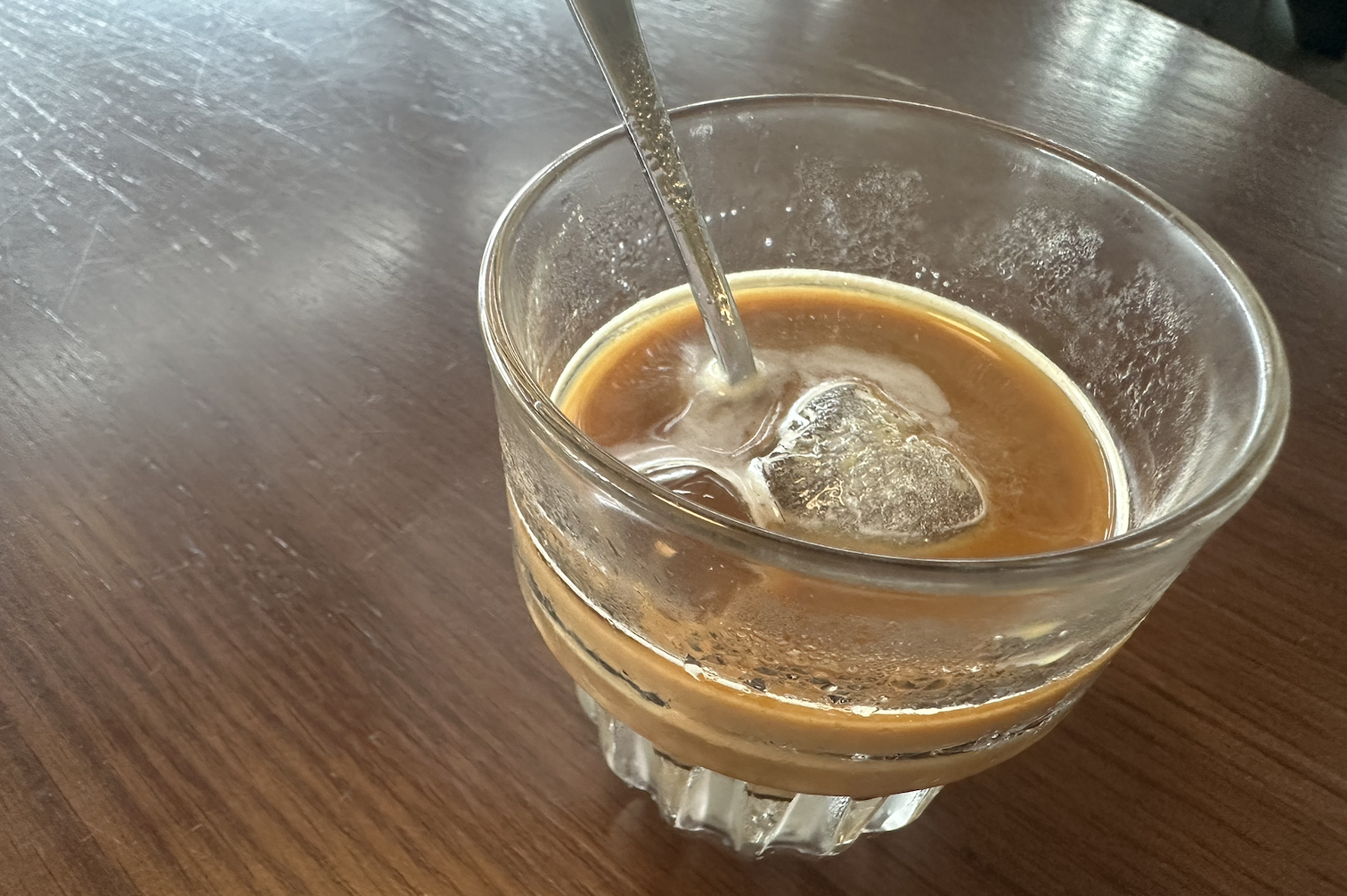 |
Do not abuse coffee or drink it daily in place of water. Photo: Thuy Linh |
Do not abuse coffee or drink it daily in place of water. Photo: Thuy Linh
For safe consumption, healthy individuals should limit caffeine intake to under 400 mg per day. Those with cardiovascular disease or hypertension should restrict their intake to below 200 mg daily.
It is best to consume coffee in the morning or early afternoon, avoiding it after 16:00. Do not combine high-dose coffee with tobacco, alcohol, or prolonged late-night work. Crucially, never substitute coffee for water.
Dr. Nguyen Huy Hoang
Internal Medicine Specialist, Vietnam Society of Underwater and Hyperbaric Medicine