Hip pain in men is a common condition that can affect various age groups, from young athletes to middle-aged and older men. The hip joint bears significant weight and is crucial for daily activities such as sitting, standing, balancing, moving, and exercising. This article explores several conditions and diseases that may cause hip pain.
Injuries from sports, daily activities, or recent traffic accidents are a frequent cause of hip pain. These can lead to muscle strains, soft tissue tears, or tendon damage around the hip joint, resulting in pain and reduced range of motion, which worsens with movement. High-intensity athletes, such as marathon runners, soccer players, and basketball players, are more susceptible to hip injuries, often due to sudden twisting movements or repetitive minor traumas.
Synovitis occurs when the synovial membrane thickens and produces excess inflammatory fluid, causing pain in or around the hip joint that intensifies with walking and movement. Individuals often experience joint stiffness in the morning or after prolonged inactivity. If left unmanaged, chronic inflammation can damage cartilage, leading to impaired mobility.
Tendinitis, inflammation of the tendons surrounding the hip joint, typically causes pain in the outer hip or thigh region. This condition often develops after repetitive movements, overuse during exercise, or sustained minor injuries. The pain may worsen with prolonged walking, climbing stairs, or lying on the affected side.
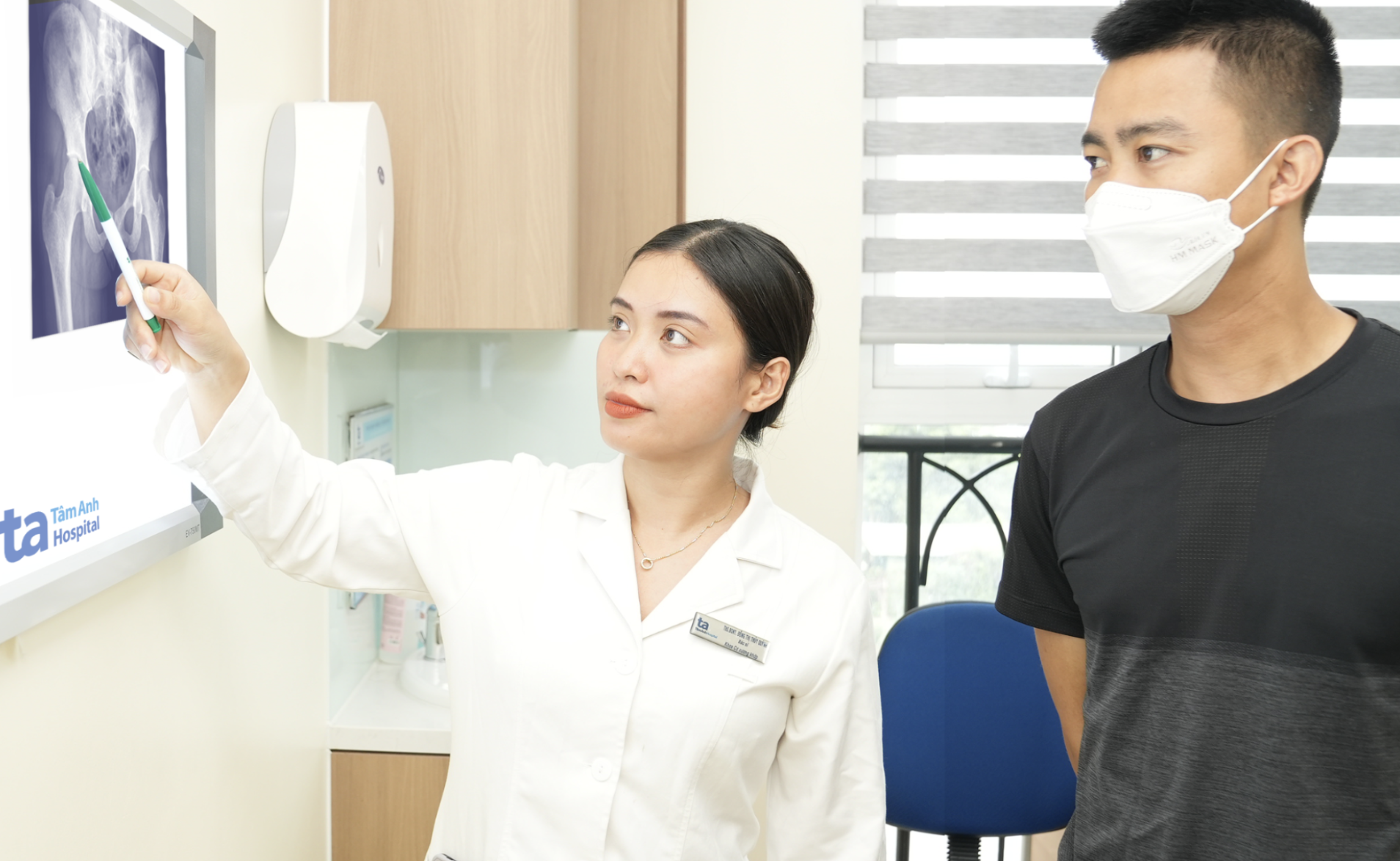 |
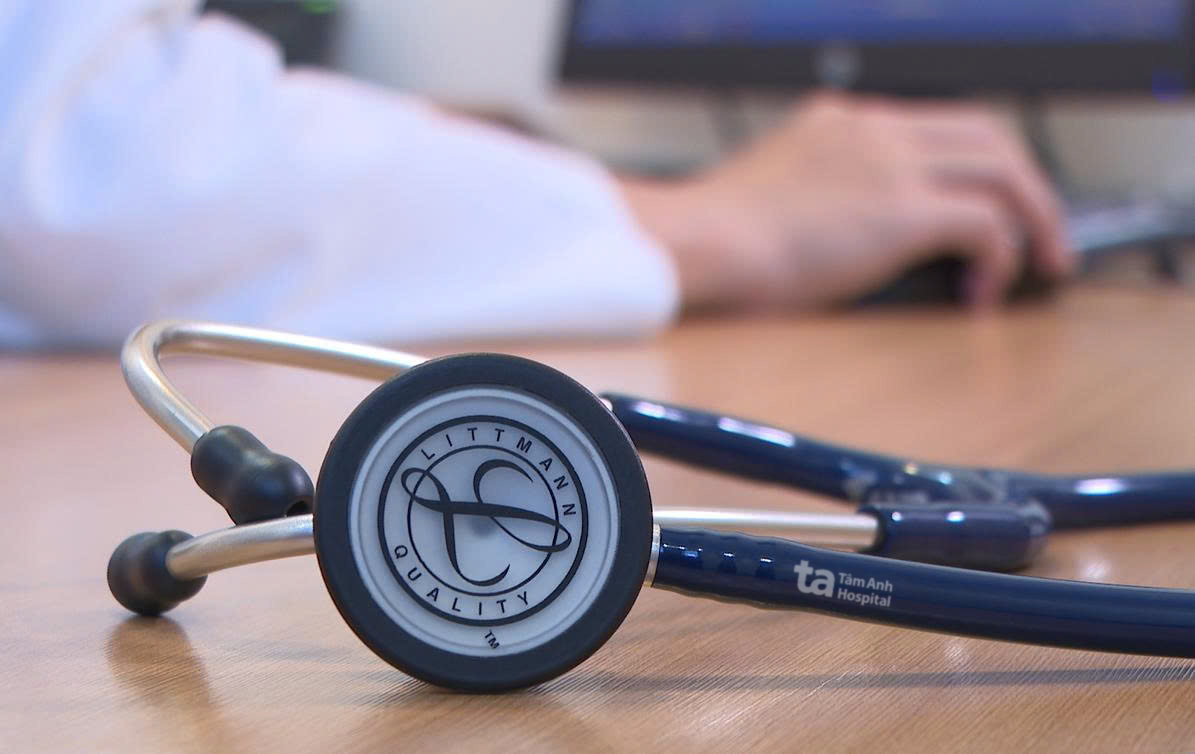
A doctor advises a patient with hip pain. Photo: Tam Anh Cau Giay General Clinic |
Avascular necrosis of the femoral head is common in middle-aged men who smoke or consume excessive alcohol. This condition involves an interruption of blood supply to the femoral head, leading to the gradual death of bone tissue. It results in hip joint deformity, pain in the groin or hip region, and increased discomfort with standing and movement. Without early intervention, the hip joint structure can be destroyed, causing severe mobility limitations.
Hip osteoarthritis, commonly affecting middle-aged and older men, occurs when the cartilage covering the ends of bones wears down over time. This erosion causes bones to rub directly against each other during movement, leading to dull pain in the groin or thigh, often accompanied by joint stiffness.
An inguinal hernia develops when a portion of the abdominal contents, such as a loop of intestine, protrudes through a weak spot in the abdominal wall, forming a bulge in the groin area. This condition can cause pain or discomfort in the groin, which is often mistaken for hip pain, and intensifies with coughing, lifting heavy objects, or strenuous activity.
Given the potential for various underlying causes, individuals experiencing hip pain, like Duc Tung, should consult a multispecialty hospital for an accurate diagnosis and personalized treatment plan. For injuries resulting from exercise or sports, rest and activity modification are often recommended to allow the joint to recover. Conditions such as inflammation and osteoarthritis can be managed with medical treatments and physical therapy to control inflammation, reduce pain, and limit disease progression. Severe cases, such as avascular necrosis of the femoral head that do not respond to conservative treatment, may require joint replacement surgery.
Dr. Dong Thi Thuy Quynh
Department of Musculoskeletal Medicine
Tam Anh Cau Giay General Clinic
| Readers can submit questions about musculoskeletal diseases here for a doctor's consultation. |