 |
As people age, the body requires a more balanced diet to maintain health. Incorporating foods rich in protein, healthy fats, and antioxidants into the diet after the age of 60 can help reduce the risk of osteoporosis and age-related diseases.
Fish provides lean, healthy protein, vitamin D, omega-3 fatty acids, and other essential nutrients vital for everyone's health, particularly in middle age.
According to Eating Well, adults who regularly consume fish instead of red meat, at least two to three meals per week, may reduce their risk of dementia and improve bone health.
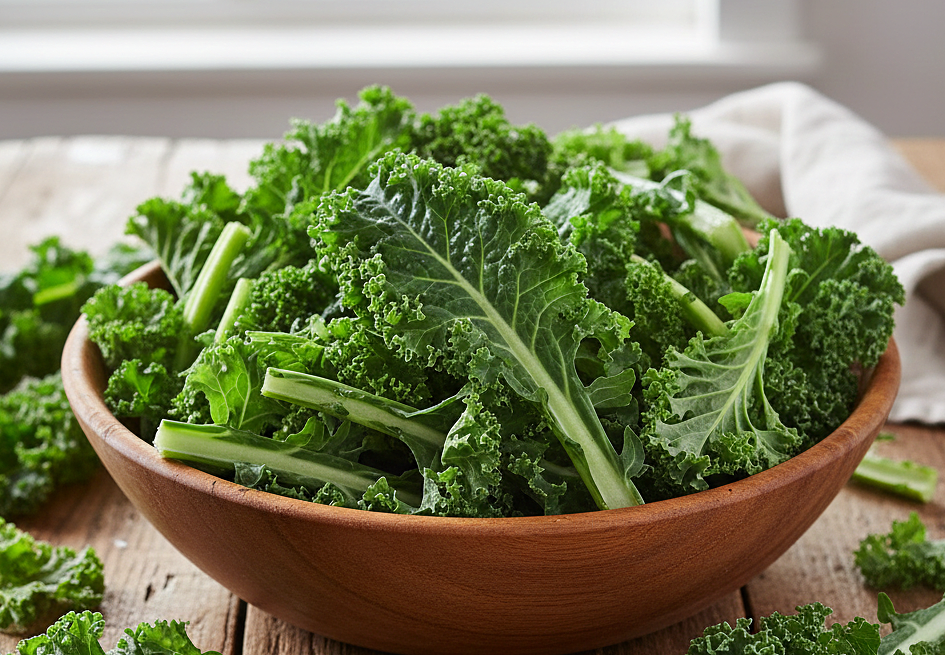 |
Cruciferous vegetables such as broccoli, kale, cauliflower, and other brassicas are rich in antioxidants, fiber, and many vitamins and minerals essential for healthy aging.
Isothiocyanates in cruciferous vegetables possess anti-inflammatory properties that help slow cognitive decline. Leafy greens are also a rich source of vitamin K, iron, fiber, and B vitamins, which are linked to improved learning and memory, and maintaining bone health in old age.
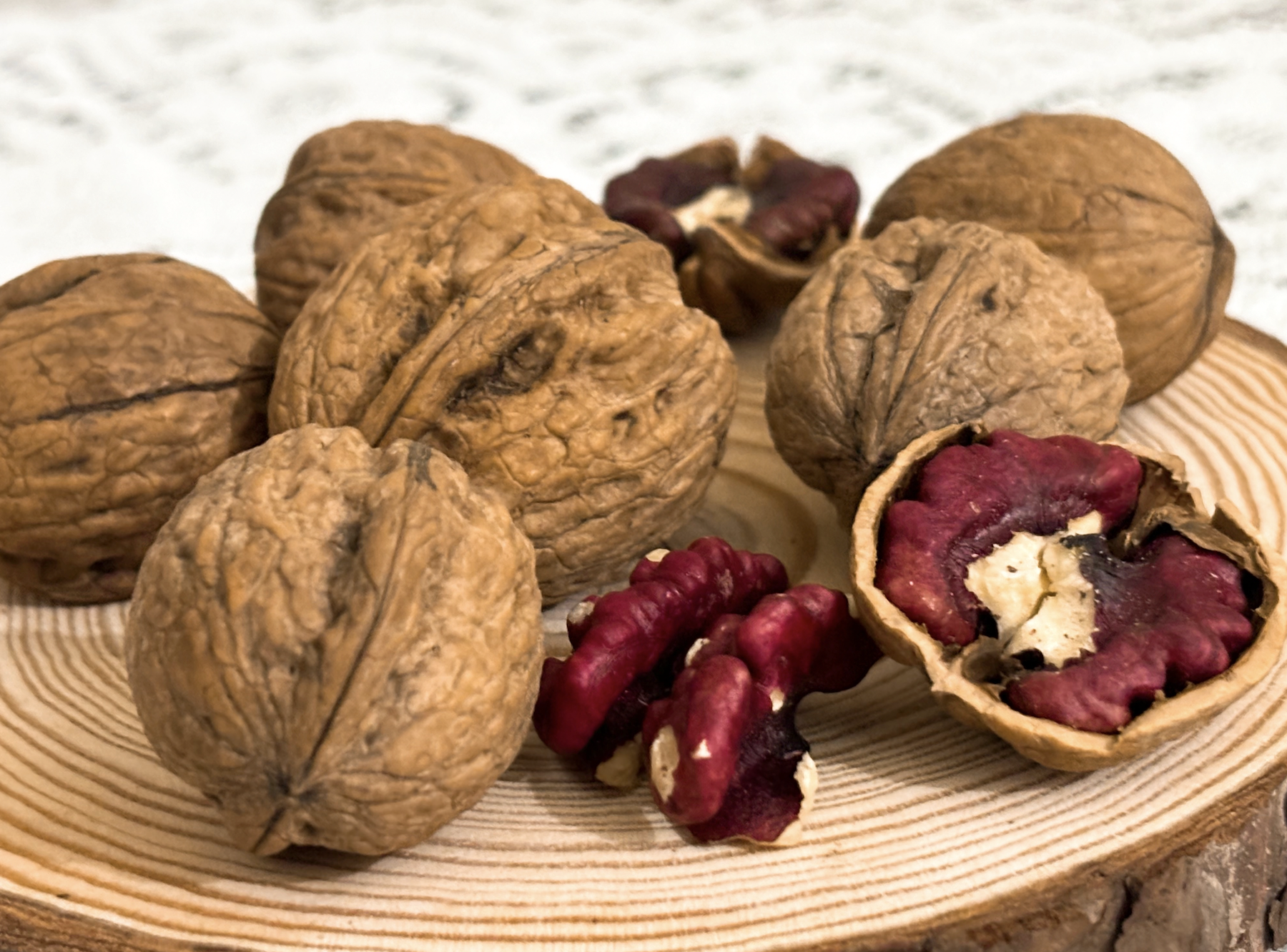 |
Nuts, including cashews, hazelnuts, walnuts, blanched almonds, roasted pistachios, and pumpkin seeds, are small but rich in vitamins, minerals, healthy fats, protein, fiber, and antioxidants. These nutrients aid stable digestion, limit fat accumulation, reduce inflammation, and contribute to slowing age-related cognitive decline.
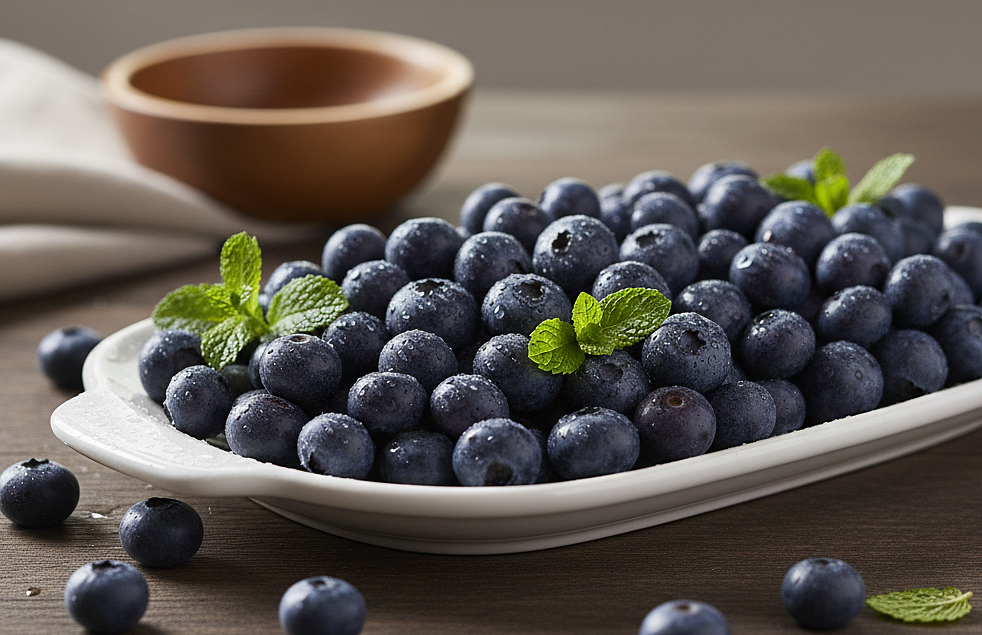 |
Blueberries are rich in anthocyanin antioxidants, which help improve brain function and slow the aging process.
According to Very Well Health, the antioxidants in blueberries can help eliminate potentially harmful free radicals in the body while reducing the risk of certain metabolic diseases. The antioxidant and anti-inflammatory properties of blueberries may enhance gut health and insulin sensitivity.
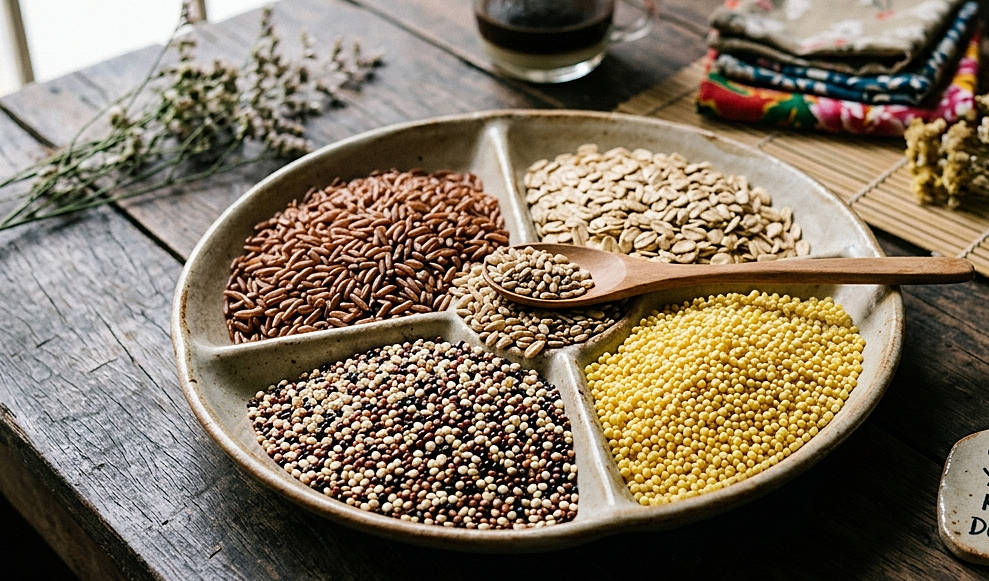 |
Whole grains are unrefined grains that retain their bran, germ, and endosperm, including brown rice, oats, quinoa, whole wheat, millet, and buckwheat. They are an essential source of carbohydrates (carbs), containing fiber, B vitamins, antioxidants, and other nutrients crucial for the aging process.
Adults should prioritize whole grains in two to three meals per week, which helps reduce the risk of high blood pressure and diabetes.
Anh Chi (Compiled)
Photos: Anh Chi, AI