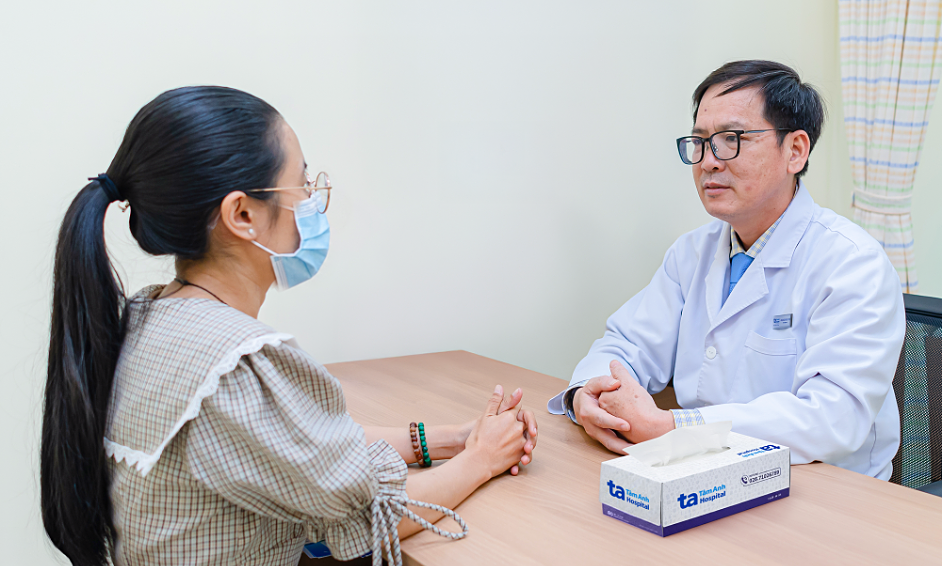
The eardrum is a thin membrane separating the outer and middle ear, playing a role in sound transmission. It can be perforated due to injury, foreign objects, pressure changes, loud noises, or ear infections.
A perforated eardrum can heal naturally with proper care. However, if the perforation is large, does not heal on its own, affects hearing, or increases the risk of complications, surgery (tympanoplasty) is necessary.
Post-surgery, recovery typically takes about 10 days to two weeks, sometimes extending beyond one month, depending on the individual case.
Dr. Tran Thi Hoa, from the Department of Otorhinolaryngology at Tam Anh General Hospital Hanoi, noted that the healing process after eardrum repair depends on various factors, including effective management of ear, nose, and throat conditions and proper nutrition. She advises patients to limit the following activities for smooth wound recovery and to reduce complication risks.
Do not fly
Sudden pressure changes during takeoff and landing can cause ear pain, tinnitus, bleeding, and increase the risk of re-perforation. Patients should avoid flying for 1.5 months post-surgery, prioritizing bus or train travel during recovery.
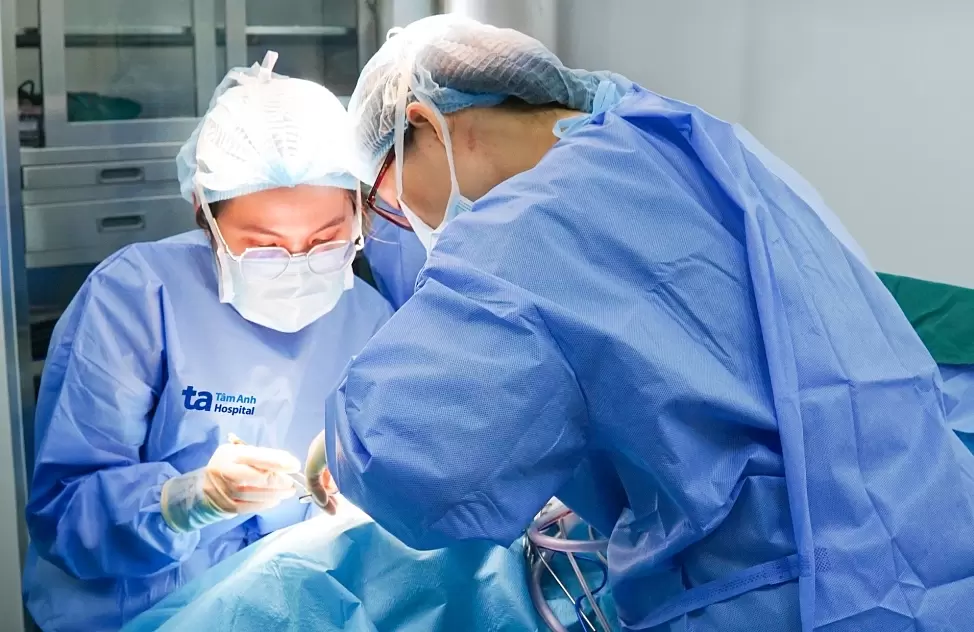 |
Doctors performing an eardrum repair surgery. Photo: Tam Anh General Hospital
Limit strenuous activity
During the first month post-surgery, avoid running, cycling, weightlifting, or high-intensity workouts. Instead, prioritize rest and gentle movements to allow the body time to recover and prevent excessive force on the surgical area.
No swimming, limit water in the ear
After eardrum repair surgery, keep the ear dry to prevent infection. Patients should not swim for at least 3-4 weeks post-surgery. When showering, wear a shower cap to keep the surgical area dry.
Avoid forceful nose blowing
During the first few weeks post-surgery, limit forceful nose blowing. If you need to sneeze, open your mouth to reduce pressure on the ear; do not try to suppress it. If you must blow your nose, gently block one nostril and blow lightly through the other. For allergic rhinitis or persistent runny nose, patients should revisit their doctor for appropriate adjustments.
Do not self-remove earwax
Dr. Hoa advises against using cotton swabs or earwax removal tools in the ear, even if experiencing itching or tinnitus, as this could tear the newly repaired eardrum. Additionally, avoid infection from potentially unhygienic tools.
Do not smoke
Nicotine in tobacco constricts blood vessels, reducing oxygen supply to healing tissues, which slows down the eardrum regeneration process. Smoking also affects normal blood circulation, further delaying tissue regeneration. This can decrease surgical success rates, increase the risk of re-perforation, and impair hearing recovery, according to Dr. Hoa. Patients should also avoid inhaling secondhand smoke during their recovery period.
Thuy Duong