On 12/7, an infectious disease specialist in Ho Chi Minh City shared two cases of children, aged 10 and 13, who contracted meningococcal meningitis. The 10-year-old patient complained of a headache to her mother in the morning. By the afternoon, the child was in a coma, developed a purpuric rash on her skin, and passed away despite being rushed to the hospital. According to the doctor, both children had not received the meningococcal vaccine.
Dr. Huynh Tran An Khuong, a medical expert at the VNVC Vaccination System, stated that headaches are an early symptom of meningococcal disease, especially when the bacteria cause meningitis. The illness can progress to purulent meningitis, sepsis, or a combination of both conditions.
When the bacteria invade the membranes surrounding the brain and spinal cord, they can cause inflammation, leading to increased intracranial pressure. Patients then experience sudden, severe headaches that may spread across the head or to the back of the neck. These headaches do not subside with rest or common pain relievers. The pain often worsens when turning the head and is accompanied by fever, nausea, vomiting, light sensitivity, noise sensitivity, or a stiff neck.
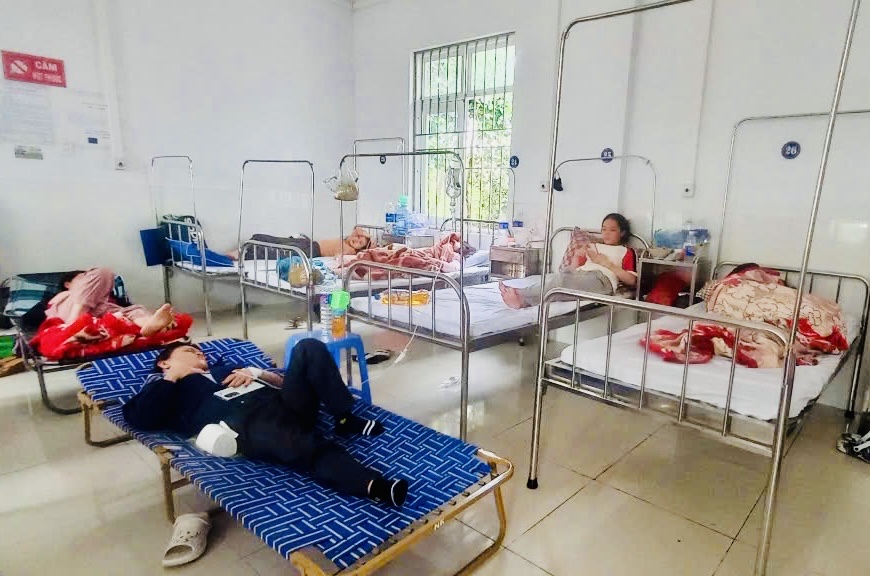
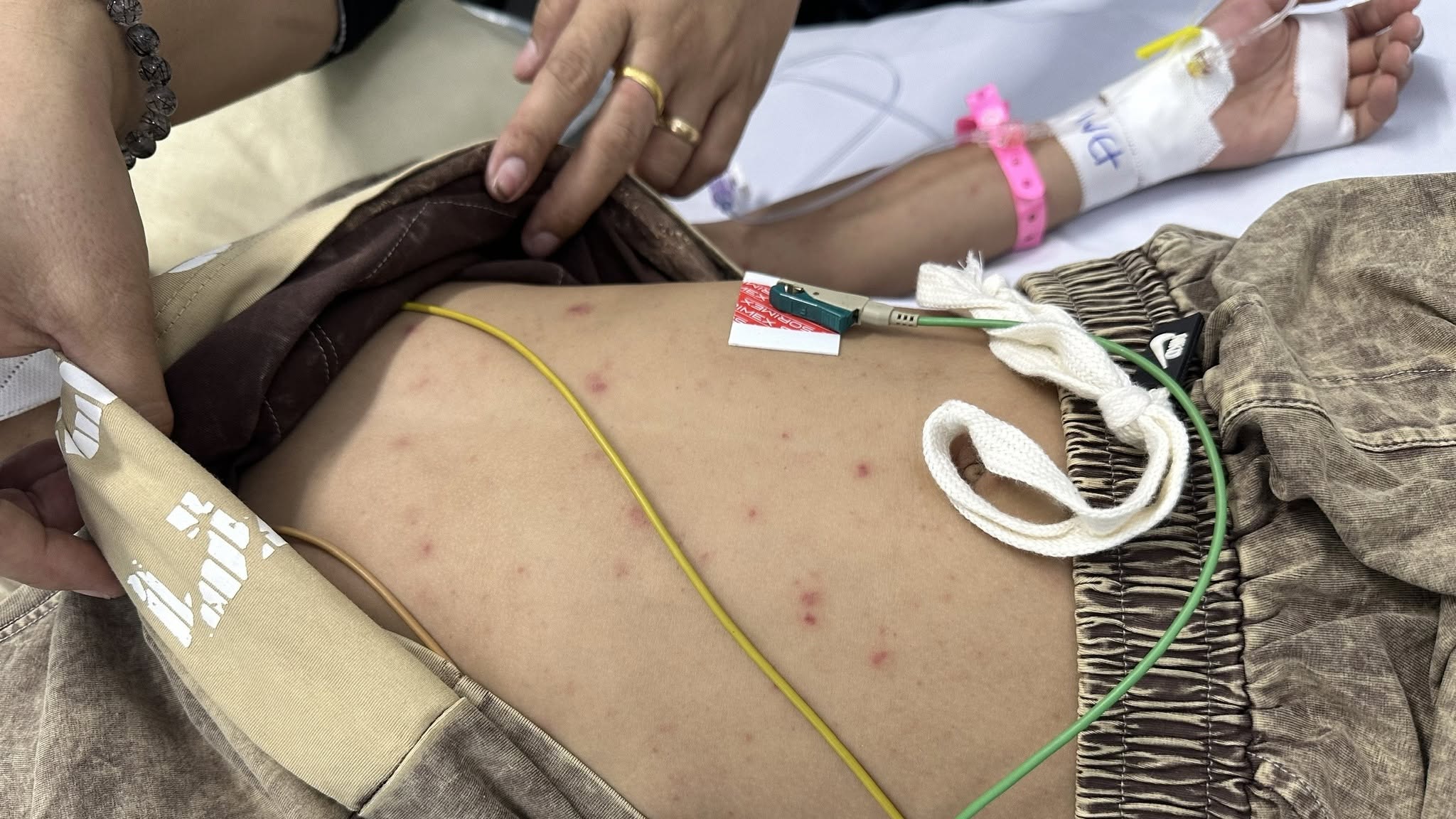 |
Purpuric rash scattered on the skin of a pediatric patient with meningococcal disease, treated at Children's Hospital 2. *Photo: Hospital provided*. |
In young children, particularly infants, headaches are difficult to recognize because they cannot express themselves. Parents should watch for sudden high fever, continuous crying, refusing to feed, lethargy, unusual drowsiness, or vomiting.
"A severe, sudden headache accompanied by high fever or a stiff neck is a sign that should not be monitored at home; immediate medical attention is necessary for timely examination, diagnosis, and treatment", Dr. Khuong advised.
Beyond headaches, meningococcal disease can cause high fever above 38 degrees Celsius, cold hands and feet, and lethargy, without the sneezing, runny nose, or nasal discharge typical of common respiratory illnesses. In its initial stage, the disease is easily mistaken for a common cold, flu, viral fever, or headaches from other causes.
As the disease worsens, patients may become drowsy, disoriented, and experience slow breathing. A purpuric rash appears and spreads rapidly, blood pressure rises, and circulatory dysfunction occurs. In cases of fulminant sepsis, death can occur quickly if not managed promptly. Survivors risk long-term complications such as deafness, neurological damage, intellectual disability, or limb amputation.
Since early 2026, several domestic hospitals have reported severe meningococcal cases. In late May, Ho Chi Minh City Hospital for Tropical Diseases treated a 13-year-old patient from Binh Hung commune who had purulent meningitis complicated by cerebral edema due to meningococcal disease. The child had a continuous high fever, severe headache, and vomiting for about 17 hours before hospitalization.
Meningococcal bacteria can reside in the nasopharynx of infected individuals or asymptomatic carriers without causing symptoms. The pathogen spreads through respiratory droplets from coughing, sneezing, close conversation, or intimate contact like hugging and kissing. The risk of transmission is higher in crowded environments and close contact settings such as families, classrooms, dormitories, boarding houses, or shared workplaces.
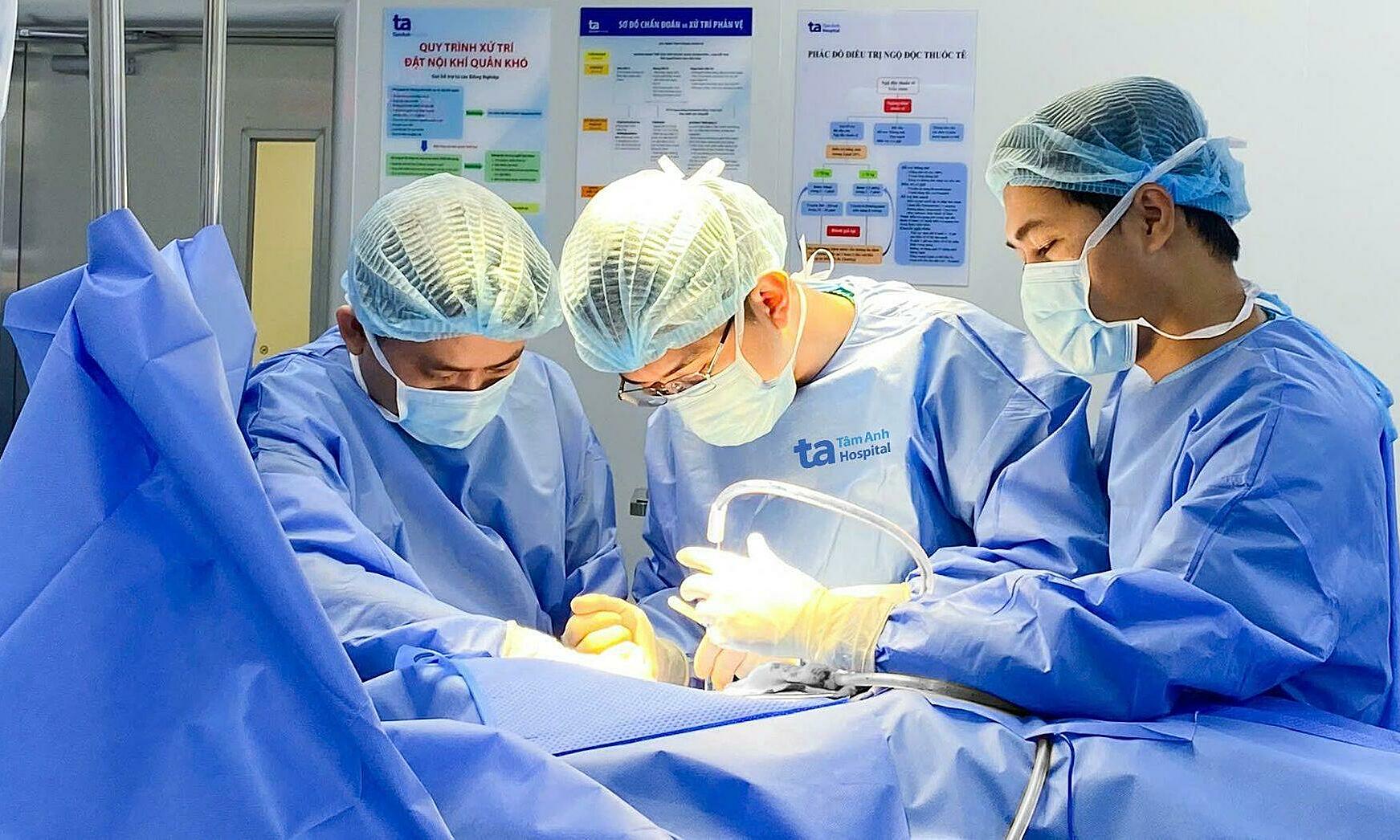
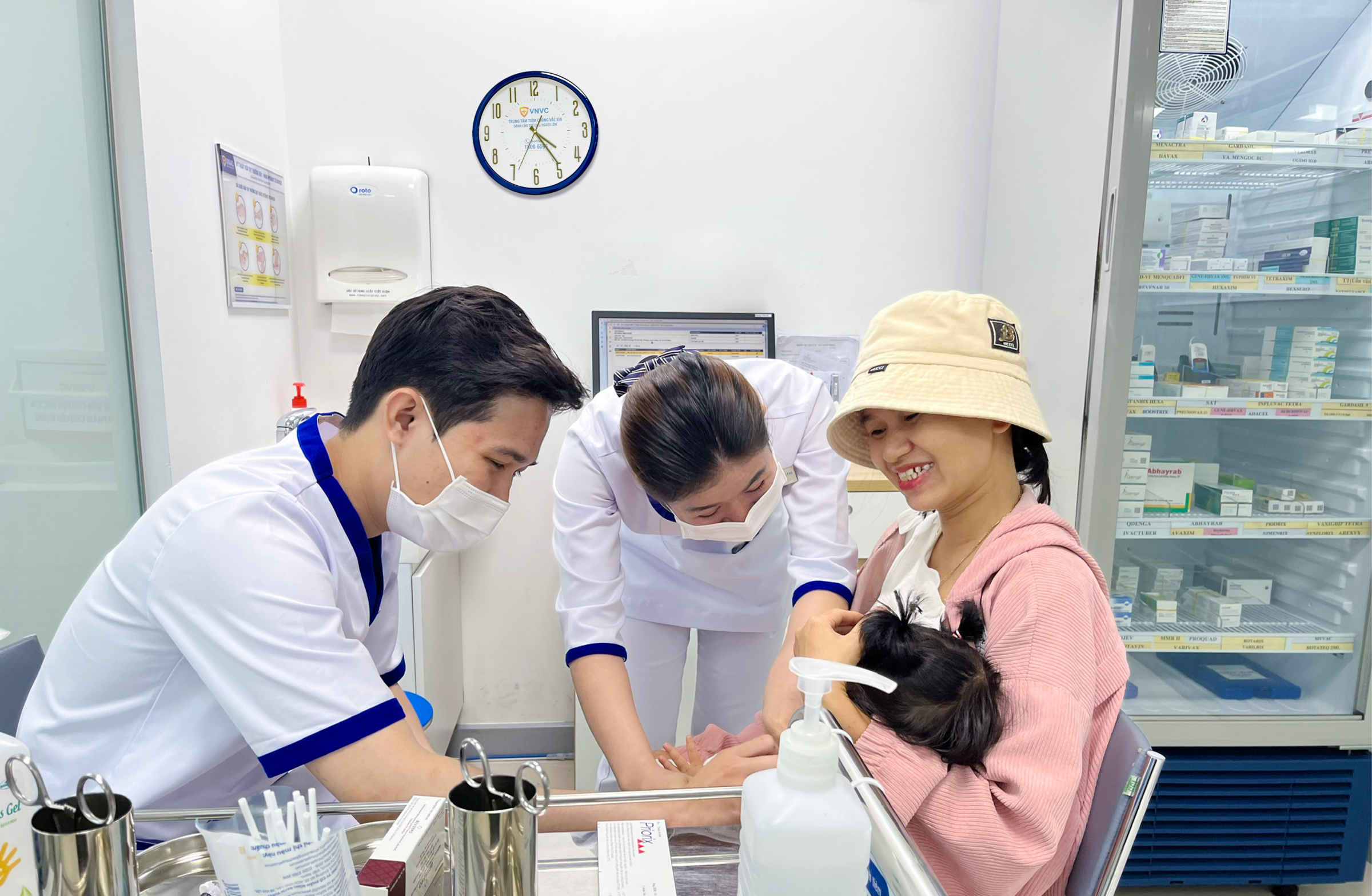 |
Children are brought by parents to VNVC Vaccination Center District 9 for meningococcal vaccination to prevent the disease. *Photo: Dieu Thuan*. |
According to Dr. Khuong, to reduce the risk of illness, people should maintain clean homes, wash hands frequently with soap, cover their mouth when coughing or sneezing, and limit sharing personal items. If a child has close contact with someone suspected of having meningococcal disease, families should inform a medical facility for guidance on management.
Vaccination is a proactive measure to protect against five common meningococcal serogroups. Vietnam currently offers vaccines for meningococcal serogroups B, BC, and A, C, Y, W-135, suitable for both children and adults. The serogroup B vaccine is for children from two months to adults aged 50, while the serogroup BC vaccine is for children from six months to adults aged 45. There are three types of meningococcal A, C, Y, W-135 vaccines, two of which are administered to children from six weeks old to adults of any age. Individuals should receive a combination of vaccines, not just one type, to ensure full protection against all five serogroups capable of causing severe disease.
Dr. Khuong advises parents not to wait until a child develops severe symptoms before seeking medical attention. With symptoms such as sudden high fever, severe headache, vomiting, stiff neck, lethargy, or the appearance of a hemorrhagic rash, bring the child to the hospital as soon as possible.
Dieu Minh