On 30/9, a representative from Thai Nguyen Central Hospital announced that a woman with a history of 4 previous normal births unexpectedly went into labor at home. Due to the rapid progression of the birth, the baby did not survive, and the mother was rushed to a medical facility for emergency treatment, bleeding profusely.
The woman was diagnosed with hemorrhagic shock and received two units of blood before being transferred to Thai Nguyen Central Hospital. Upon admission, the patient was semi-conscious, pale, with pale mucous membranes, a rapid pulse, and low blood pressure. The placenta had not detached and remained in the uterus. Obstetrics department doctors activated a hospital-wide "red alert," mobilizing various specialists for coordinated emergency care.
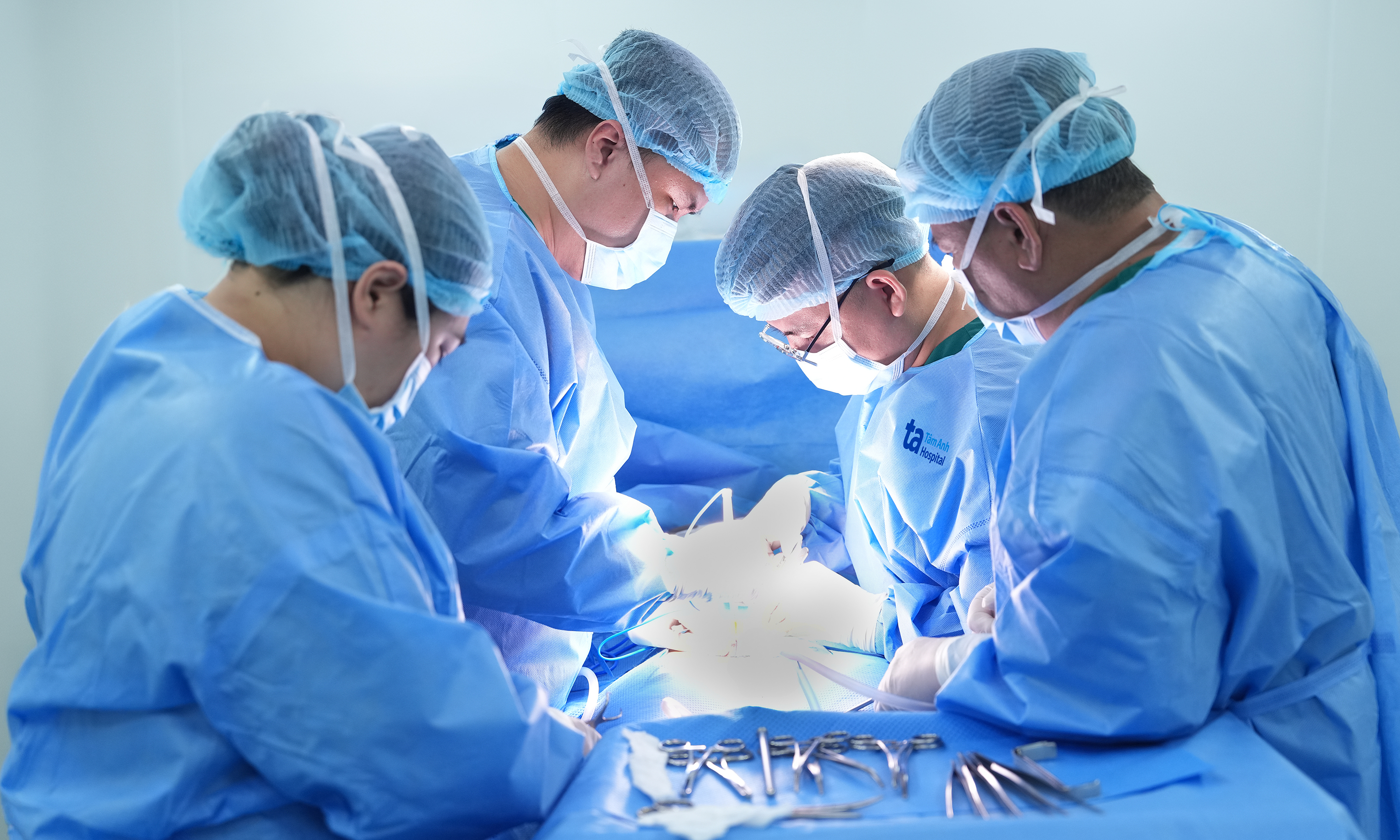
The medical team performed manual placental removal, controlled uterine bleeding, and administered maximum doses of uterotonic drugs, but the patient's uterus still contracted poorly. Doctors diagnosed the woman with severe hemorrhagic shock and coagulopathy due to uterine atony, unresponsive to medical treatment.
The patient underwent a subtotal hysterectomy, which controlled the bleeding. She continued to receive blood transfusions and fresh plasma. She was discharged 14 days later.
 |
The woman receiving treatment at the hospital. *Photo: Hospital provided* |
Doctors state that home births can put both the mother and newborn in critical danger. Mothers can experience postpartum hemorrhage due to uterine atony, retained placental fragments, undelivered placenta, genital tract lacerations, or coagulopathy, leading to hemorrhagic shock and life-threatening conditions. Meanwhile, premature babies or those born unexpectedly at home face risks of respiratory distress, hypothermia, infection, and other complications associated with preterm birth, especially without proper neonatal resuscitation.
Doctors advise pregnant women to have regular prenatal check-ups and to give birth at medical facilities with adequate professional capabilities. In cases of unusual labor or signs of postpartum bleeding, it is crucial to seek immediate medical attention for timely intervention.
Thuy Quynh