Collagen is a crucial component of the dermis, maintaining skin structure and firmness. According to Very Well Health, as people age, collagen production slows, leading to a loss of skin elasticity and the development of wrinkles and dryness. Supplementing collagen can supply the amino acids necessary to retain skin moisture.
Collagen is a crucial component of joint cartilage, maintaining the structure and strength of cartilage tissue, which allows joints to move flexibly. With age, both the quantity and quality of collagen in cartilage decline, often leading to stiff, painful, or less flexible joints.
Collagen provides flexibility to bone tissue and facilitates the accumulation of minerals like calcium, helping bones remain strong and capable of bearing weight. A decline in collagen production with age is also associated with age-related bone changes.
Collagen provides amino acids essential for protein synthesis in the body. According to Times of India, for older adults, collagen supplementation combined with strength training can support muscle mass. However, collagen is not an optimal protein source for muscle building due to its incomplete amino acid profile compared to other high-quality proteins. To maintain muscle, individuals still need to consume sufficient protein from sources such as: meat, fish, eggs, dairy, and legumes.
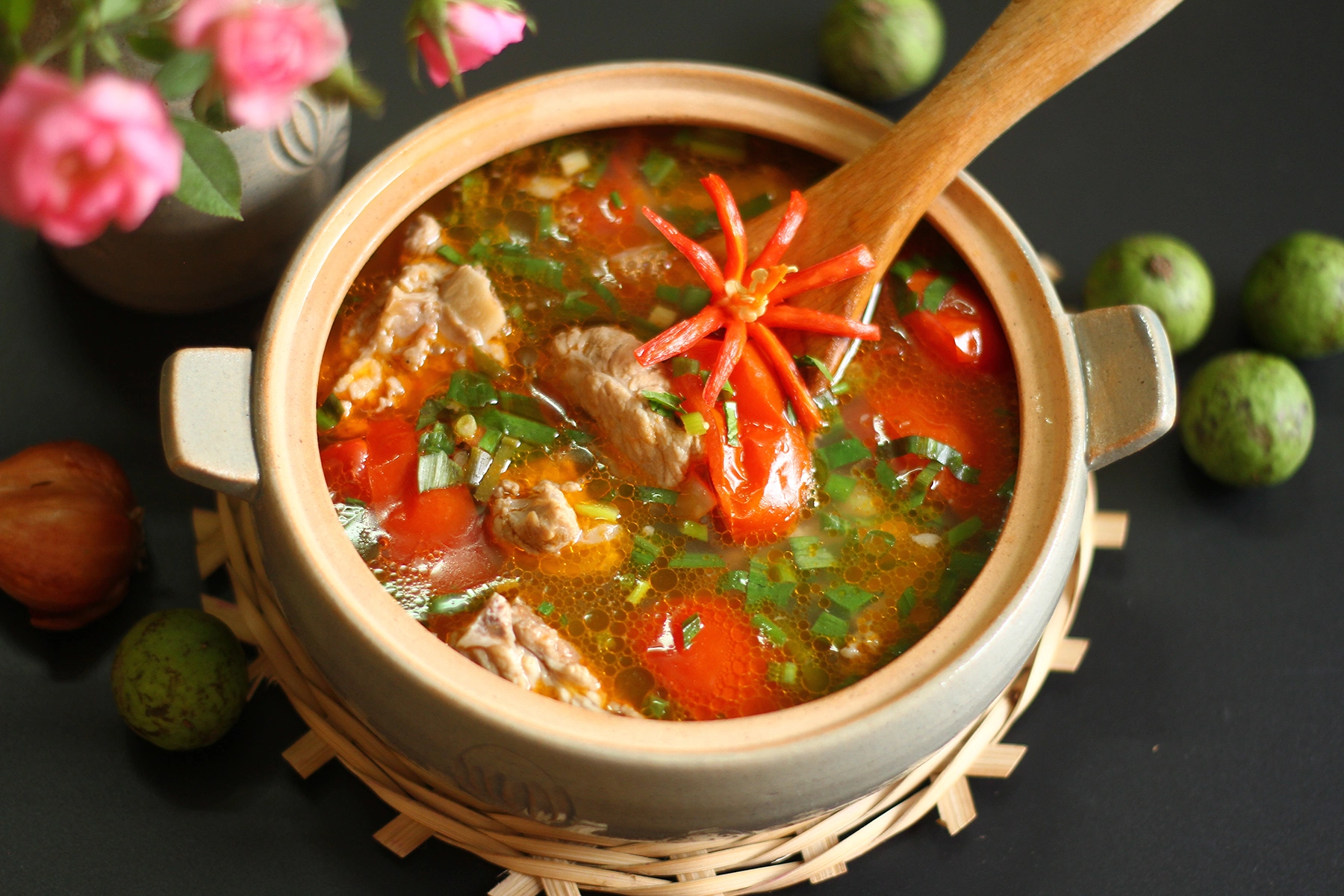 |
Bone broth contains collagen. Photo: Bui Thuy |
Collagen helps maintain healthy intestinal walls and supports digestive function. However, it does not replace a diet rich in fiber and other nutrients essential for gut health.
Collagen provides amino acids for protein synthesis and supports the connective tissues surrounding hair follicles and nails. This promotes healthy hair growth, while nails maintain strength and are less prone to brittleness and breakage.
Collagen is a crucial structural component of blood vessel walls, maintaining their strength and elasticity. This allows blood vessel walls to withstand the pressure of blood flow as the heart contracts and pumps blood throughout the body. With age, the body produces collagen more slowly, and blood vessel walls also undergo structural and elastic changes.
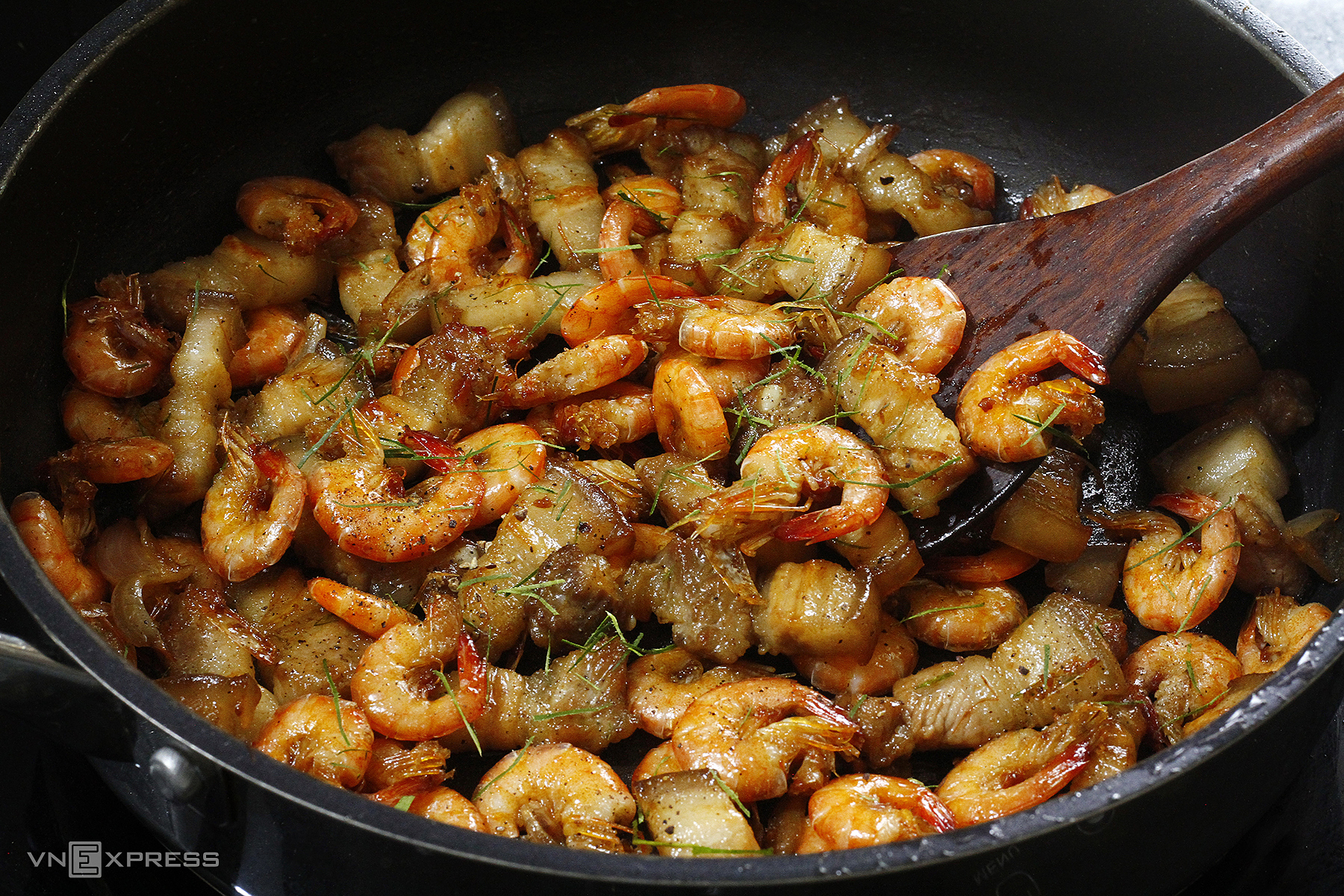
Foods rich in collagen include: fish skin, chicken skin, pork hock, beef tendons, pork skin, and bone and cartilage stews. Combining these foods with vitamin C-rich items such as: guava, oranges, kiwi, and bell peppers can support the body's natural collagen synthesis.
By Le Nguyen (Compiled)
| Readers can submit nutrition questions here for doctors to answer. |