Answer:
Many believe drinking water before sleep aids hydration and kidney function. However, excessive fluid intake right before bed does not enhance kidney performance. Instead, it increases urine production, potentially leading to nighttime urination and disrupted sleep.
Water is vital for circulation and kidney function. Dehydration can reduce circulatory volume, decrease blood flow to the kidneys, and concentrate urine. Healthy adults typically need 2-2.5 liters of fluid daily from drinks and food, equivalent to 8-12 glasses. This need may increase in hot weather, during strenuous activity, or with heavy sweating, and decrease for individuals with specific health conditions.
However, consuming excessive water does not necessarily benefit the kidneys. Healthy kidneys efficiently regulate urine volume to maintain the body's fluid balance. Therefore, avoid consuming large amounts of water in the evening.
 |
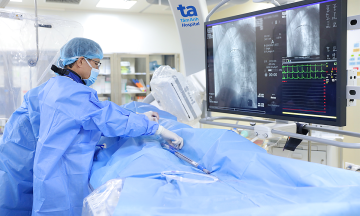
Doctor. CKII Ho Tan Thong advises patients at the Nephrology - Dialysis Unit. *Illustration: Tam Anh General Hospital*
Follow the principle of drinking water consistently throughout the day, increasing intake during hot weather, intense physical activity, fever, vomiting, or diarrhea. If thirsty before sleep, a moderate amount can prevent dry mouth or throat. Avoid consuming large quantities of water right before bedtime, as this can lead to a full bladder and necessitate waking up to urinate. This is especially important for the elderly, who face an increased risk of falls during nighttime trips to the bathroom. Always replenish fluids when the body experiences significant fluid loss.
Individuals with early-stage kidney disease generally do not need to restrict water intake due to concerns about disease progression. Insufficient fluid intake can lead to dehydration, impacting blood pressure and circulation.
Conversely, as kidney disease advances, particularly in patients experiencing significantly reduced urine output, anuria, edema, rapid weight gain from fluid retention, heart failure, or end-stage renal disease on dialysis, the body's fluid excretion capacity becomes limited. Excessive fluid intake can lead to water accumulation, resulting in severe edema, elevated blood pressure, weight gain between dialysis treatments, and potentially fluid overload, which negatively impacts the heart and lungs.
Chronic kidney disease patients require ongoing monitoring of kidney function, blood pressure, weight, edema, and urine output. This allows doctors to adjust fluid intake according to each disease stage. For hemodialysis patients, fluid intake is typically individualized by their doctor, considering factors such as residual urine output, weight gain between dialysis sessions, and other clinical elements, to prevent both dehydration and fluid overload.
Doctor. CKII Ho Tan Thong
Nephrology - Dialysis Unit
Tam Anh General Clinic District 7
| Readers can send questions about kidney and urinary tract diseases here for doctors to answer |