Aging is a natural process where body cells gradually decline in function over time, leading to less elastic skin, reduced muscle mass, and weaker bones. While it cannot be entirely prevented, a healthy diet can help maintain health and slow the aging process. Here are some dietary tips to support this.
Prioritize antioxidant-rich foods
According to Eating Well, one mechanism that accelerates aging is oxidative stress – a condition where free radicals damage cells, proteins, and DNA. Antioxidants can help neutralize these free radicals, thereby protecting cells.
To boost antioxidants, incorporate a variety of colorful vegetables and fruits such as blueberries, strawberries, grapes, oranges, kiwis, pomegranates, tomatoes, broccoli, spinach, and carrots. Nuts, green tea, and pure cocoa also provide abundant antioxidants.
Consuming a wide range of fruits and vegetables daily ensures the body receives diverse antioxidant compounds, supporting the slowing of the aging process.
Ensure adequate protein intake to maintain muscle mass
Muscle mass tends to decrease with age. Without sufficient protein, muscle loss can accelerate, reducing strength, mobility, and increasing the risk of falls in older adults.
Good protein sources include fish, poultry, eggs, dairy, legumes, tofu, and seafood. Distributing protein evenly across meals is often more effective than concentrating it in a single meal.
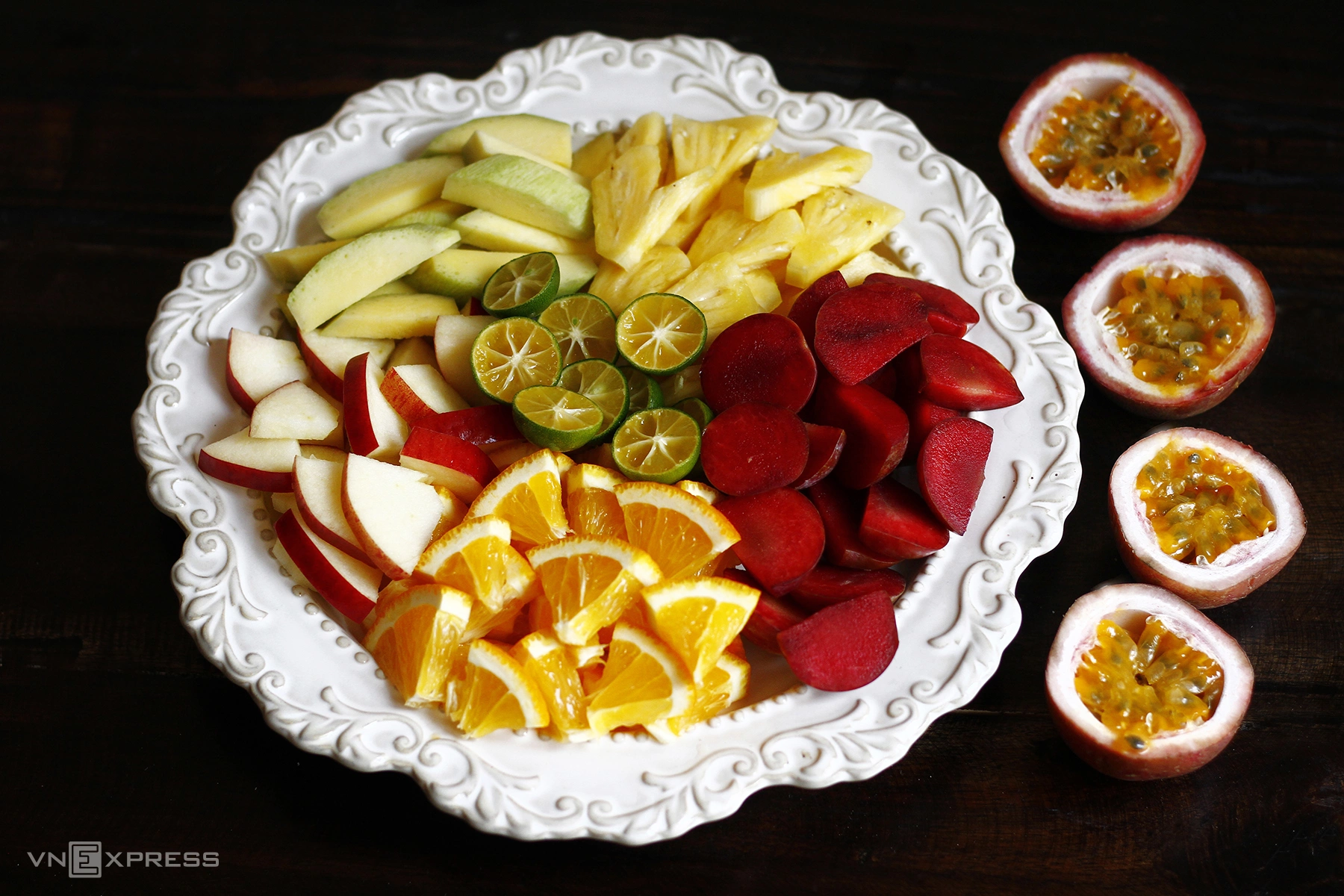 |
Antioxidant-rich fruits. Photo: Bui Thuy |
Increase healthy fats
Unsaturated fats, especially omega-3s, play a role in reducing inflammation and supporting heart and brain health. Prioritize fatty fish like salmon, mackerel, and sardines, along with nuts, walnuts, almonds, flaxseeds, chia seeds, olive oil, and avocados.
Conversely, individuals should limit trans fats and reduce saturated fat consumption from processed foods, repeatedly fried items, and fast food.
Limit sugar and ultra-processed foods
Excessive consumption of added sugar increases the risk of obesity and diabetes, promoting glycation. This reaction causes sugar to bind with proteins like collagen and elastin, reducing skin elasticity and contributing to wrinkle formation.
Candies, soft drinks, milk tea, sugary beverages, and ultra-processed foods often contain high levels of salt, unhealthy fats, and calories but few vitamins and minerals.
Include fiber to nourish gut microbiota
A healthy gut microbiota is linked to healthy aging. Fiber serves as food for beneficial bacteria, helping maintain microbial balance, supporting digestion, and reducing inflammation. Include green vegetables, fruits, oats, beans, nuts, and whole grains daily. Fermented foods like yogurt, kefir, or kimchi also improve gut health, according to Very Well Health.
Stay hydrated, limit alcohol
Water participates in most bodily functions, from regulating body temperature and transporting nutrients to eliminating waste products. Adequate hydration helps maintain skin moisture, supports kidney function, and metabolism. Conversely, excessive alcohol consumption increases oxidative stress, impacts the liver and cardiovascular system, and causes skin dehydration and reduced elasticity.
Le Nguyen (Compiled)
| Readers can submit nutrition questions here for a doctor's response. |