Kidney function can decline over an extended period without causing obvious symptoms. By the time signs like swelling, fatigue, or abnormal urination appear, many cases have already progressed to a late stage. Therefore, regular kidney function checks are important.
According to Master, Doctor Nguyen Quang Huy, from the Department of Nephrology - Dialysis at Tam Anh General Hospital Hanoi, not everyone needs frequent kidney disease screening. However, certain high-risk groups should undergo tests such as blood creatinine, eGFR, and urinary albumin. These tests help detect kidney damage at an early stage, even when individuals feel healthy.
Diabetics
Diabetes is a leading cause of chronic kidney disease. Persistently high blood sugar can damage the glomeruli, causing filtration function to decline over time. Diabetics should regularly check indicators like blood creatinine, eGFR, and urinary albumin as advised by their doctor to detect early kidney complications.
 |
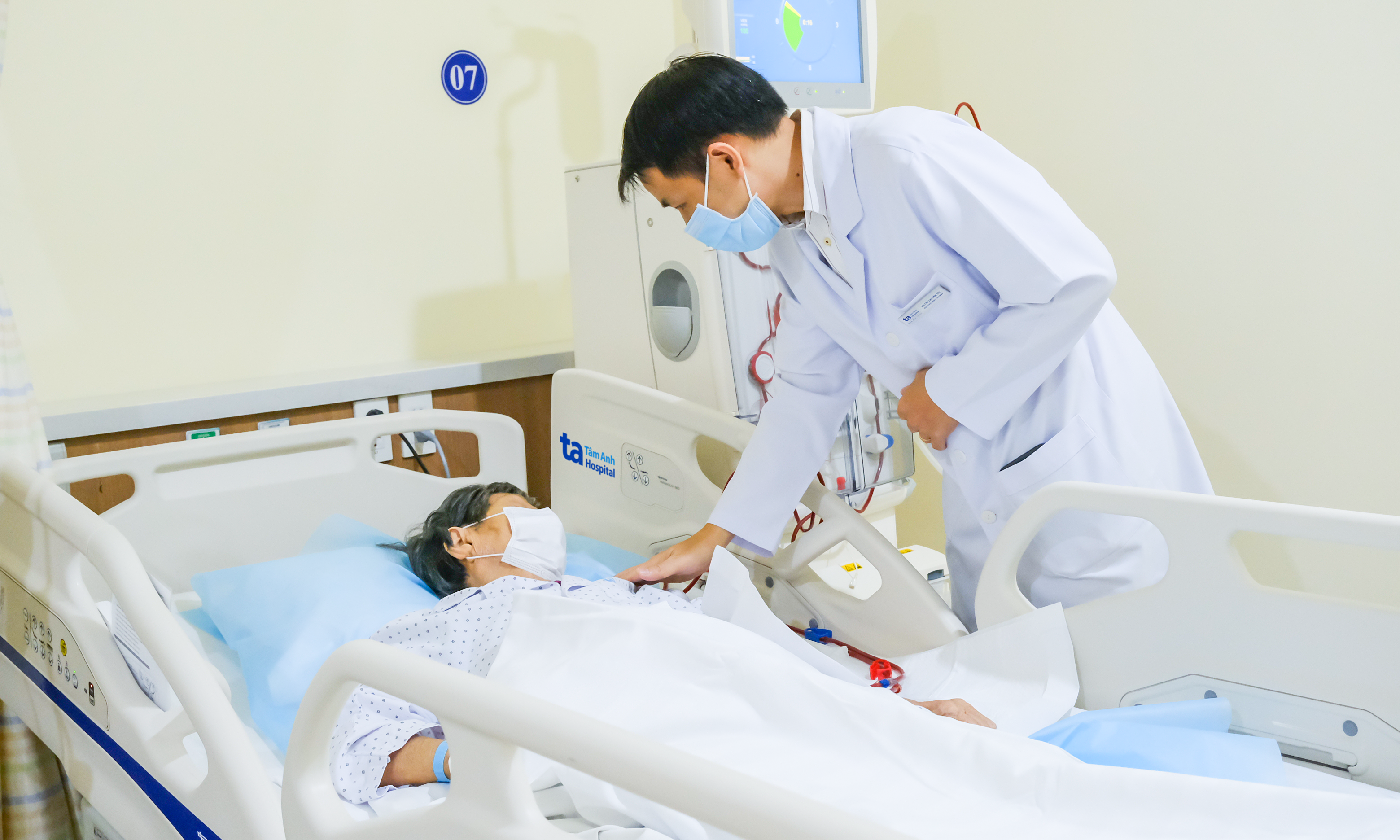
A doctor advises a patient on kidney function screening. *Photo: Tam Anh General Hospital*
Hypertensive patients
Prolonged high blood pressure can damage the small blood vessels supplying the kidneys, affecting their ability to filter blood. Conversely, when kidney function declines, blood pressure also tends to increase and becomes harder to control. Regular monitoring of kidney function helps detect early complications and allows for timely adjustment of treatment.
Individuals with a history of kidney disease
People who have experienced acute kidney injury, glomerulonephritis, nephrotic syndrome, recurrent kidney stones, or other kidney conditions face a higher risk of developing chronic kidney disease than the general population. Even if their condition is stable, these individuals require follow-up appointments and kidney function monitoring as prescribed.
Family history of kidney disease
If a family member has chronic kidney disease, polycystic kidney disease, or other hereditary kidney diseases, the risk of developing the condition is also higher. Regular check-ups help detect kidney function abnormalities at an early stage, even before symptoms appear.
Cardiovascular patients
The heart and kidneys are closely linked. Individuals with heart failure, coronary artery disease, or a history of stroke often have a higher risk of kidney function decline due to circulatory changes and underlying health conditions. Regular checks help doctors comprehensively assess health status and develop suitable treatment plans.
Long-term medication users
Some medications, such as non-steroidal anti-inflammatory drugs (NSAIDs), certain antibiotics, contrast agents, or cancer treatment drugs, can affect kidney function if used for prolonged periods or not as directed. Those undergoing long-term treatment with these medications should have their kidney function monitored regularly to detect any early adverse effects.
Individuals over 60 years old
Kidney function tends to decline with age. Additionally, older adults often concurrently suffer from high blood pressure, diabetes, or cardiovascular disease, further increasing their risk of kidney conditions. Regular health examinations help detect abnormalities early, before the disease causes symptoms or serious complications.
Doctor Huy states that kidney function checks typically include blood creatinine tests to calculate eGFR, urine tests to detect urinary albumin, and imaging diagnostics when necessary. The frequency of these checks depends on individual risk groups, underlying diseases, and doctor's orders.
High-risk individuals should attend scheduled appointments with their doctor and not wait for symptoms such as swelling, abnormal urination, difficult-to-control high blood pressure, or prolonged fatigue before getting checked. Early detection leads to more effective treatment, preserves kidney function, and reduces the risk of progression to chronic kidney failure.
Thu Giang