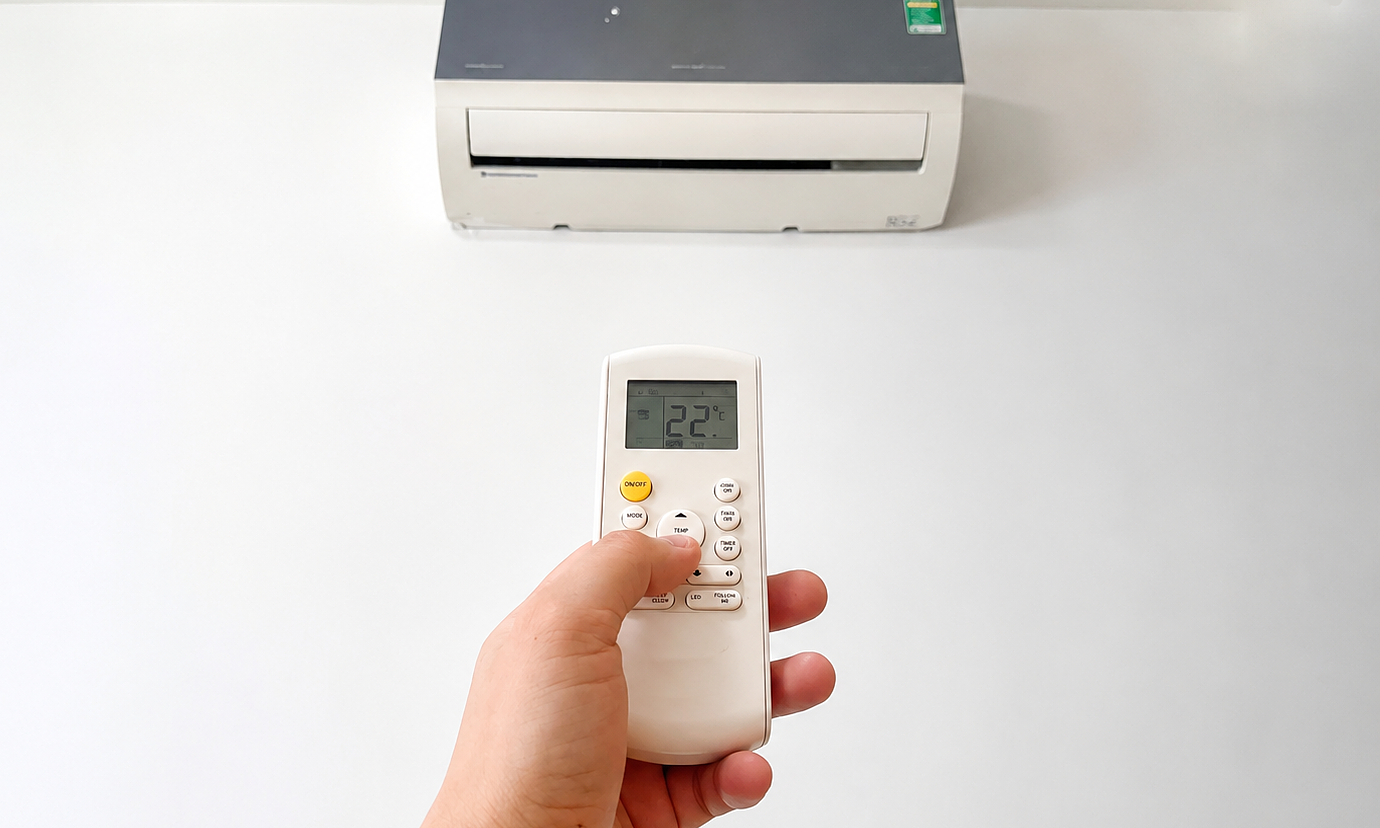
Hot weather significantly impairs sleep quality, with high temperatures disrupting the body's natural mechanisms for rest. Doctor Hoang Quyet Tien, from the Medical Information Center at Tam Anh General Hospital, Ho Chi Minh City, highlights this impact. A 2022 study by the University of Copenhagen, Denmark, published in *One Earth*, analyzed sleep data from over 47,620 individuals across 68 countries. The findings revealed that elevated nighttime temperatures lead to less sleep and difficulty achieving quality rest, particularly affecting older adults.
Hot weather hinders body temperature reduction
Initiating sleep requires a decrease in the body's core temperature—a vital biological signal for the brain to transition from wakefulness to rest. During hot periods, the body struggles to dissipate heat effectively. Blood vessels beneath the skin continuously dilate to release warmth, but an excessively hot environment reduces the efficiency of this process. Consequently, body temperature remains elevated, making it difficult to fall asleep.
High temperatures disrupt melatonin
Melatonin, a hormone secreted by the pineal gland, regulates circadian rhythms and signals the onset of sleep. Excessively high environmental temperatures can disrupt these rhythms, thereby affecting melatonin secretion. When melatonin levels decrease or are released later than usual, the body finds it challenging to feel sleepy, even when it is time to rest. Furthermore, hot weather increases the activity of the sympathetic nervous system, which works to regulate body temperature, maintain circulation, and balance water and electrolytes. This heightened activity prevents the brain from fully entering a relaxed state, resulting in shallow sleep and frequent awakenings.
 |
Patients undergo polysomnography to identify causes of sleep disorders. Photo: *Tam Anh General Hospital* |
Sweating causes restless sleep
Excessive sweating during sleep is a common issue in hot weather, causing discomfort and waking individuals in the middle of the night. These frequent awakenings significantly diminish sleep quality. Prolonged poor sleep due to heat can lead to fatigue upon waking, reduced concentration, daytime sleepiness, irritability, and decreased work efficiency. Chronic sleep deprivation also elevates stress hormones like cortisol, negatively impacting blood sugar metabolism, blood pressure, immunity, and cardiovascular health.
According to Doctor Tien, older adults and individuals with cardiovascular disease, hypertension, or pre-existing sleep disorders are more sensitive to hot weather. To ensure quality sleep, it is advisable to maintain a bedroom temperature of approximately 24-26 degrees Celsius. Additionally, use breathable bedding and sleepwear, and avoid intense physical activity or heavy meals before bed.
Keeping the bedroom well-ventilated and maintaining a regular sleep schedule is also important. Certain natural nutrients, such as blueberries rich in anthocyanins and pterostilbene combined with ginkgo biloba, can support brain circulation, protect nerve cells, and contribute to improved sleep quality.
Dinh Dieu
| Readers can ask questions about neurological diseases here for doctors to answer |