Fentanyl is a pain reliever, many times stronger than morphine, with medical value but also a risk of addiction and death when abused. Fentanyl abuse is the primary cause of the opioid crisis in the US, leading to tens of thousands of deaths each year.
A vaccine developed by a research team at the University of Houston, US, is expected to begin clinical trials this year. Animal trials have shown the vaccine can block the effects of fentanyl, potentially offering a new direction for treating opioid use disorder.
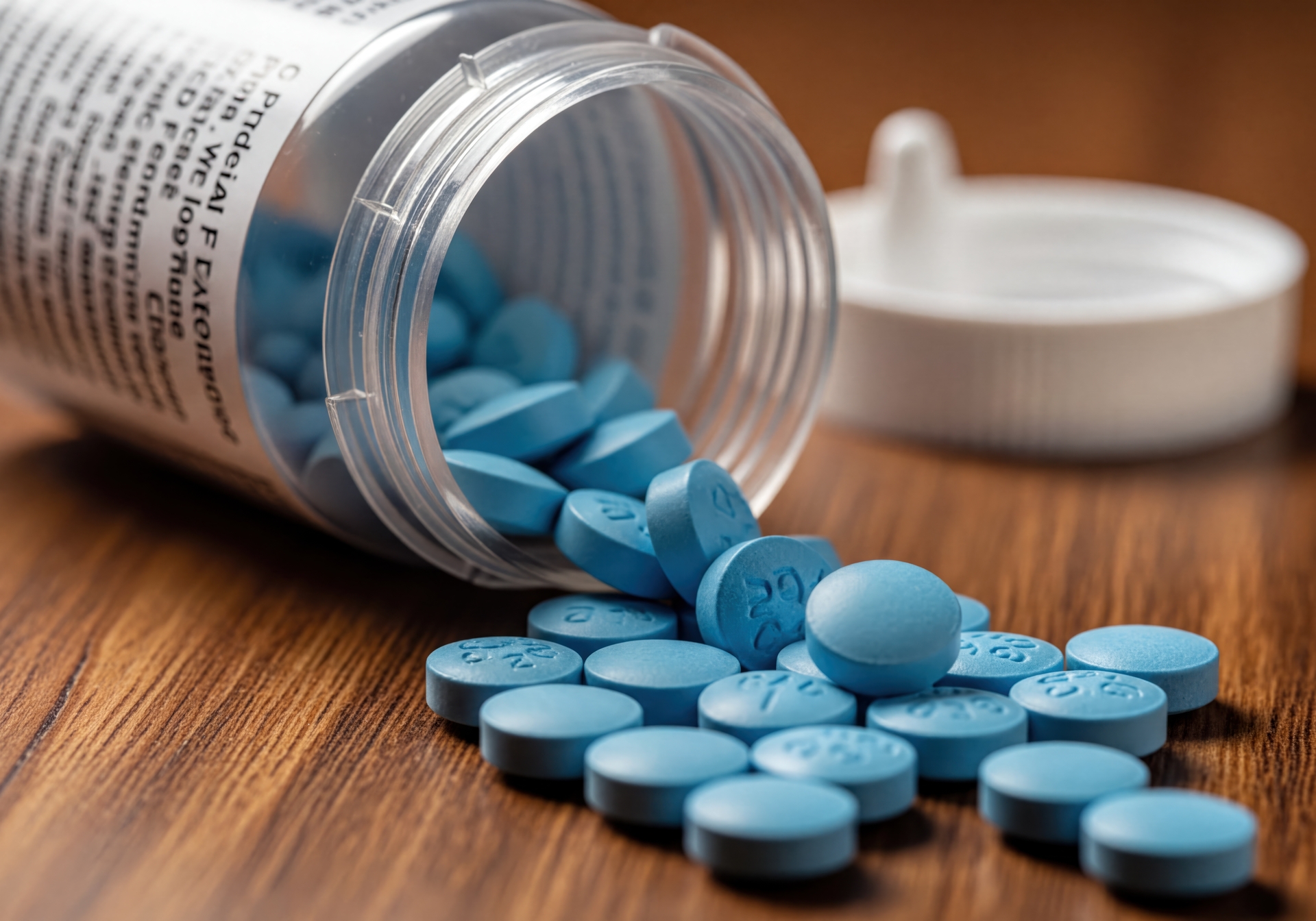 |
Illustration of narcotic pain relievers. Photo: *Vecteezy*. |
Mechanism of vaccine action
Fentanyl works by binding to receptors in the brain and spinal cord, causing pain relief and euphoria. However, these receptors are also located in brain regions that control breathing, so the substance can cause respiratory depression, leading to death. Just 2 mg of fentanyl, equivalent to a few grains of salt, can be lethal.
The vaccine works by preventing fentanyl from entering the brain, turning this molecule into a target for the immune system. The goal is to stop fentanyl while it is still in the bloodstream, blocking its access to the brain.
However, because the substance is too small for the immune system to recognize, scientists sought a way to "tag" it. They attached the fentanyl molecule to CRM197 along with dmLT. CRM197 is a detoxified form of diphtheria toxin, commonly used in many vaccines, while dmLT is a modified compound from E. coli bacterial toxin, also proven safe in human trials.
When combined, this complex helps the body produce antibodies against real fentanyl. These antibodies attach to fentanyl, preventing it from crossing the blood-brain barrier and subsequently removing it from the body.
Trial method
Phase one trials will recruit 40 people, focusing on evaluating safety and antibody production. If successful, phase two will test the efficacy of blocking fentanyl, including administering safe medical fentanyl doses to some participants to monitor their reactions.
According to experts, fentanyl still holds medical value for emergency pain relief, and vaccine use might reduce medication options for vaccinated individuals. However, the antibodies do not affect other opioids such as morphine, oxycodone, or methadone, nor addiction treatments like buprenorphine; therefore, the impact is not severe. Additionally, the vaccine blocks the "high" caused by fentanyl, so users will lose the motivation to use it.
If successful, the vaccine could be used by healthcare workers and rescuers to reduce the risk of fentanyl exposure during work. For those struggling with opioid addiction, the vaccine could be integrated into treatment alongside behavioral therapy and community support.
By Van Ha (According to Fox News, Livescience)