Construction dust is a mixture of particles generated during construction, renovation, or demolition activities. Operations such as road excavation, concrete drilling and cutting, transporting soil and rocks, or mixing building materials can release large amounts of dust into the air.
This dust includes ordinary soil dust, silica dust from sand, stone, concrete, and mortar, as well as dust from cement, gypsum, or wood from construction work. Fine dust particles are a greater concern because of their ability to penetrate deep into the respiratory tract.
Normally, larger dust particles are trapped in the nose and throat by nasal hairs and a protective mucous layer. However, fine dust can bypass these barriers, traveling down to the bronchi and alveoli—where the body's oxygen exchange occurs. With regular exposure, these dust particles can irritate the airways and trigger an inflammatory response in the lungs.
Individuals exposed to dusty environments may experience symptoms such as nasal itching, throat irritation, dry cough, runny nose, wheezing, or chest tightness. Some may also experience shortness of breath during exertion or a persistent cough. These symptoms are often more pronounced in children, the elderly, and those with pre-existing respiratory conditions.
Prolonged exposure to construction dust does not only cause temporary respiratory irritation but can also affect lung health in the long term. Studies indicate that regular inhalation of construction dust increases the risk of developing or exacerbating certain respiratory illnesses, including bronchial asthma, chronic obstructive pulmonary disease (COPD), pneumoconiosis, and even lung cancer in those with extended exposure.
 |
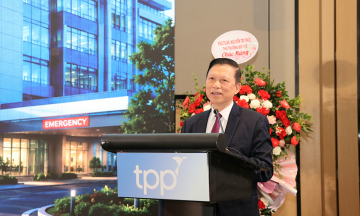
Bac si tu van suc khoe ho hap cho nguoi lao dong. Anh minh hoa: Benh vien Da khoa Tam Anh
Many dust-related diseases progress silently over many years. During this process, dust particles continuously accumulate and cause damage to the airways and lung tissue, often without producing obvious symptoms. By the time signs like a persistent cough, shortness of breath, or declining respiratory function appear, lung damage may already be substantial, and there are no definitive treatment options for these advanced conditions.
To minimize the impact of construction dust on your lungs, you should limit prolonged stays in active construction areas, use fine dust-filtering masks when outdoors, and clean your nose and throat after exposure to dusty environments. Families living near construction sites should keep windows closed during peak construction times, regularly clean their homes with damp cloths, or use air purifiers in rooms to reduce dust in living spaces.
If you experience persistent symptoms such as a prolonged cough, wheezing, shortness of breath, or lasting chest tightness, you should consult a respiratory specialist for timely evaluation and treatment. Construction dust irritates the respiratory tract, affects lung function, and can lead to severe conditions like chronic obstructive pulmonary disease, pneumoconiosis, or lung cancer with frequent or prolonged exposure. Proactively protecting your airways and detecting abnormalities early helps reduce the risk of future respiratory diseases.
Doctor Phung Thi Thom
Respiratory Unit
Tam Anh Cau Giay General Clinic
| Readers can submit questions about respiratory diseases here for a doctor's response |