For many, cold water is a popular choice, offering immediate refreshment. However, regularly consuming cold water can affect one's health in several ways.
Helps cool the body faster
Drinking cold water effectively cools the body, making it a popular choice for rehydration on hot days or post-exercise. Medical News Today reports that the body expends a small amount of energy to warm cold water to its core temperature. This process, coupled with the cool sensation, can provide immediate relief from heat.
Post-exercise, cold water can aid in reducing body temperature, leaving individuals feeling more refreshed. This explains its popularity during hot weather or after intense physical activity. However, this advantage is primarily about the cooling sensation and rehydration, not an indication that cold water offers superior overall health benefits compared to room temperature water.
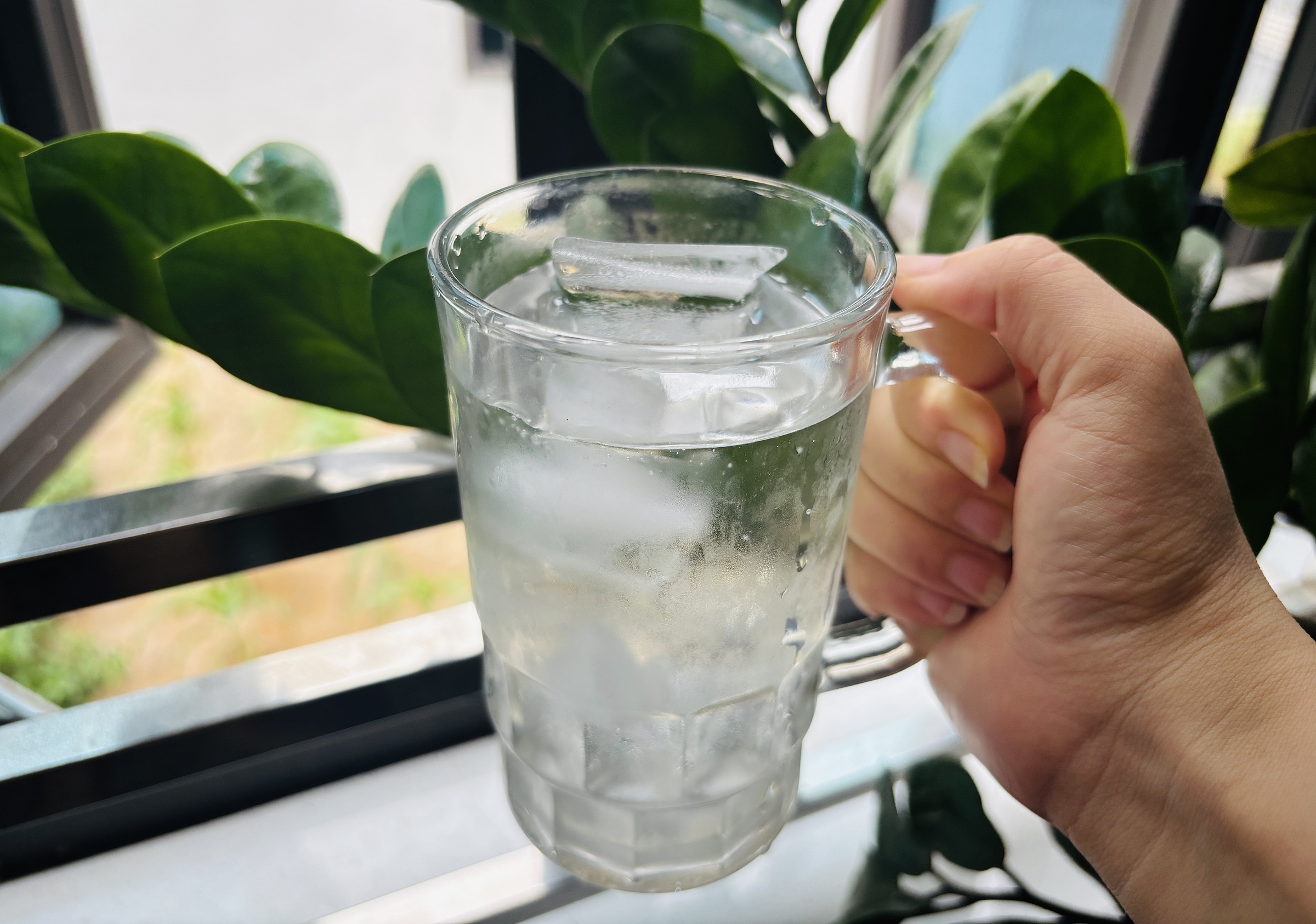 |
Drinking cold water helps the body cool down quickly on hot days. *Bao Bao*.
May cause discomfort in some people
While generally safe for most healthy individuals, cold water may not suit everyone. Healthline notes that overly cold beverages can trigger or worsen migraine symptoms in some individuals. Additionally, rapid consumption of cold water can lead to a phenomenon known as "brain freeze."
Cold water can exacerbate discomfort for individuals with sensitive digestive systems or specific esophageal disorders. Research indicates that cold water may temporarily thicken respiratory mucus, potentially causing unease for those with colds or respiratory infections.
Moreover, some individuals report feeling more bloated or experiencing indigestion when drinking cold water during or immediately after meals, compared to room temperature water. This response, however, varies individually and has not been definitively linked to long-term digestive harm.
Not harmful for most healthy people
Despite common beliefs that cold water causes colds, sore throats, or weakens the immune system, Verywell Health states there is no scientific evidence directly linking cold water to these ailments.
Experts emphasize that adequate hydration is paramount. Regardless of whether the water is cold, cool, or room temperature, sufficient intake supports circulation, regulates body temperature, and aids metabolic processes. For most healthy individuals, consuming cold water is safe and has no significant negative health impacts.
For most healthy individuals, regularly drinking cold water is not harmful and remains an effective hydration method. The choice between cold or room temperature water ultimately depends on personal preference, weather conditions, and individual health.
Experts stress that daily hydration is more important than water temperature. If cold water encourages greater fluid intake, it remains a viable option. However, individuals prone to headaches, digestive discomfort, or general unease from cold water might benefit from choosing cool or room temperature alternatives.
Bao Bao (Compiled)