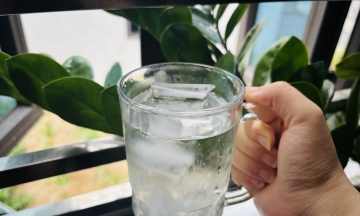
Nutritionist Do Thi Lan from the Department of Nutrition at Tam Anh General Hospital in Hanoi states that infused fruit drinks, such as those made with lemon, orange, or sau (Dracontomelon fruit), provide natural vitamins, antioxidants, and minerals. These sweet and sour beverages are refreshing, help quench thirst, cool the body, and reduce fatigue caused by dehydration.
Here are some important tips for safely consuming infused fruit drinks.
Proper storage
Before infusing, thoroughly wash fruits under running water. Consider soaking them in clean water or a dilute salt solution for 10-15 minutes to remove dirt and pesticide residues. Use clean glass jars for infusion; avoid low-quality plastic or stainless steel containers, as fruit acids can dissolve harmful substances from these materials. Always store infused drinks in the refrigerator and discard them if they show signs of fermentation or develop an unusual odor.
 |
Infused ambarella fruit drink is used to quench thirst in hot weather. *Photo: Van Anh* |
Control sugar intake, do not replace plain water
Opt for infusion methods that use less sugar. When consuming, dilute the drink to your preference to reduce both sugar content and acidity. It is important not to use infused drinks as a complete substitute for plain water.
Many traditional infusion recipes contain high sugar levels. Overconsumption can lead to elevated blood sugar, weight gain, and an increased risk of obesity and type 2 diabetes.
Avoid drinking on an empty stomach
The organic acids found in sour fruits can irritate the stomach lining, especially when consumed on an empty stomach or in concentrated forms, potentially causing stomach pain, heartburn, and acid reflux. Also, avoid drinking large quantities in the evening to prevent impacting digestion and sleep.
Individuals experiencing stomach pain, ulcers, or acid reflux should limit or avoid sour fruit infused drinks. Those with diabetes, pre-diabetes, or obesity must opt for sugar-free varieties. Children under 6, pregnant women, and people with kidney conditions should consult a doctor before consuming these beverages.
Nutritionist Do Lan emphasizes that drinking plain water remains the best way to hydrate. Adults typically need about 1,5-2 liters of water daily to replenish fluids lost through sweat. In addition to adequate hydration, it is crucial to combine this with a diverse diet and maintain a healthy lifestyle to ensure overall well-being.
Van Anh