Thyroid nodules, also known as thyroid tumors, are common. Patients may feel a lump in their neck or discover it incidentally during a health check-up or ultrasound. Approximately 90-95% of detected thyroid nodules are benign. Typically, benign thyroid nodules show no abnormal symptoms and pose no health risk.
Doctors select treatment methods after considering the nodule's size, location, characteristics, and the patient's overall health. Treatment options include surgery or conservative management such as thyroid aspiration, absolute alcohol injection, or radiofrequency ablation.
Benign nodules larger than 10 mm that do not compress the esophagus or trachea generally do not require surgery. Patients should undergo annual check-ups to monitor any changes.
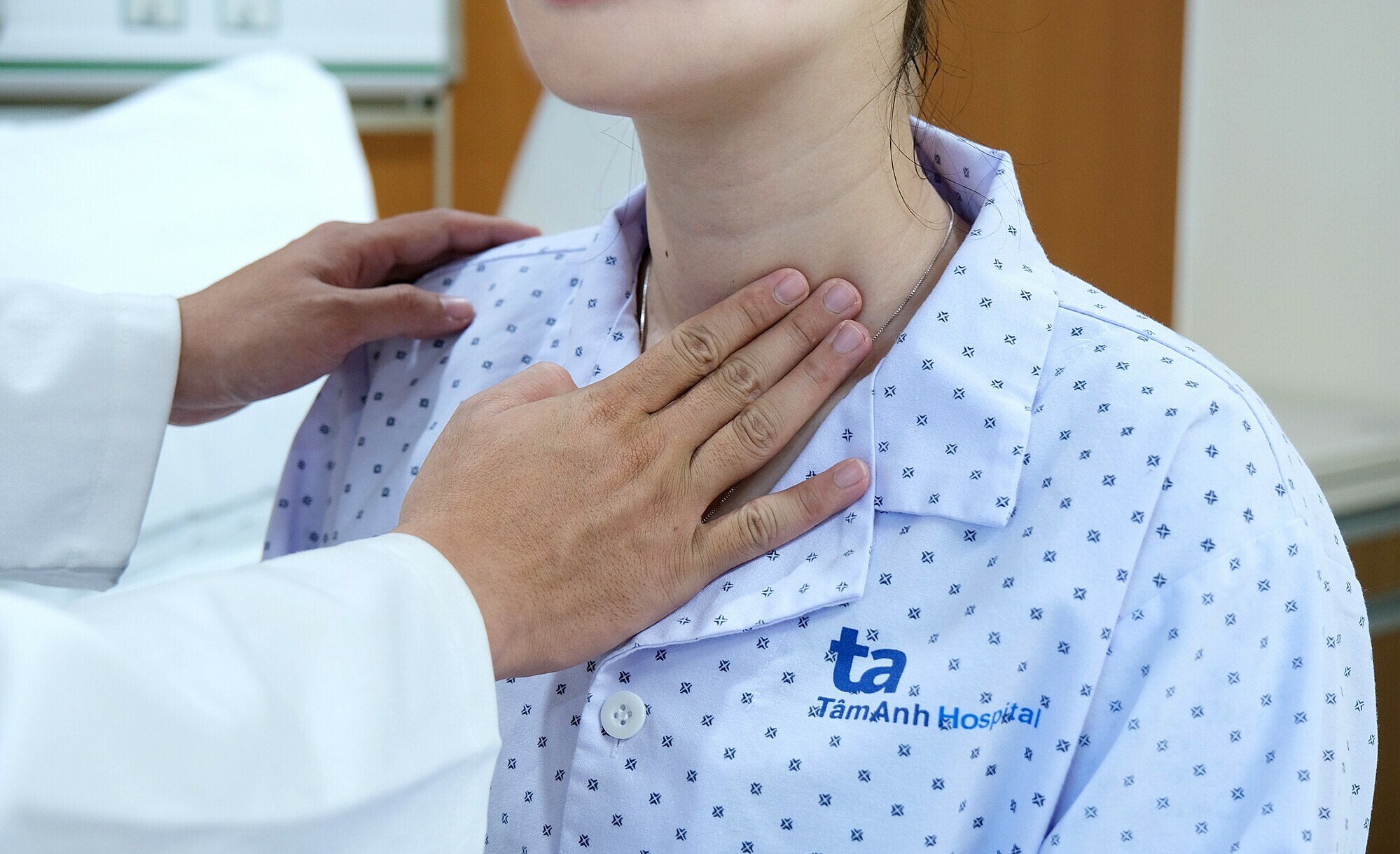 |
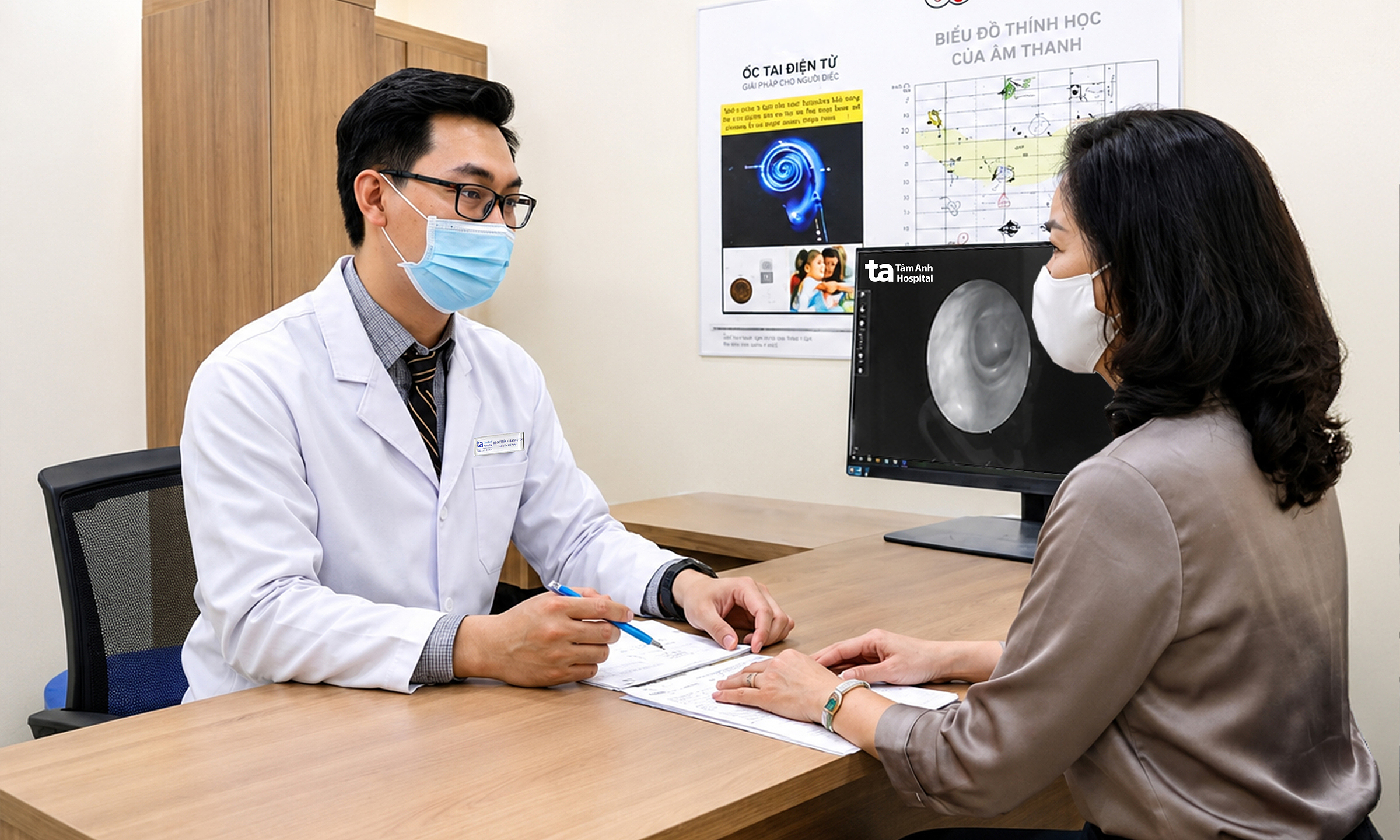
A doctor examines a patient's neck. *Illustration: Dinh Tien* |
Nodules that grow rapidly and produce excess thyroid hormones, a condition known as hyperthyroidism, often require surgery if medication proves ineffective. Symptoms of such nodules include unexplained weight loss, heart rhythm disorders, excessive sweating, and hand tremors.
For thyroid tumors, doctors typically order a fine needle aspiration (FNA) to determine if the tumor is malignant or benign, or an ultrasound to classify the risk group. Results classified as TI-RADS mot, hai, or ba indicate a low risk of thyroid cancer, and surgery may not be necessary. However, TI-RADS classifications from 4 upwards carry a higher risk of thyroid cancer, necessitating surgical removal of the tumor.
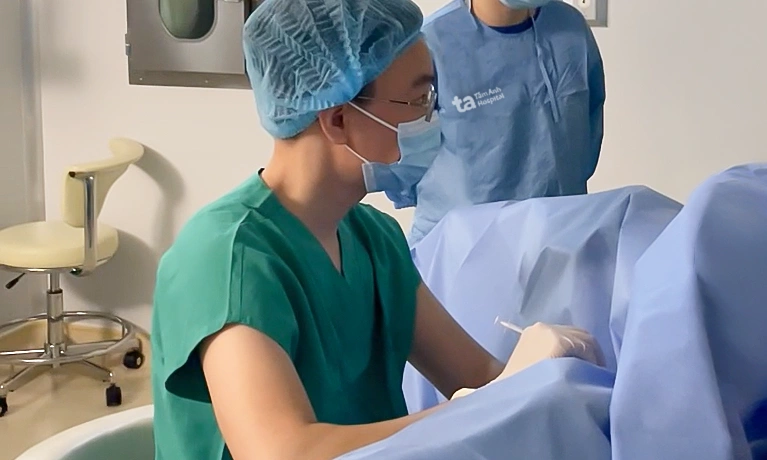
For some benign but symptomatic nodules, organ-preserving methods can serve as alternatives to surgery. These include radiofrequency ablation, thermal tumor destruction techniques, or alcohol injection. These approaches help reduce risks such as bleeding, hematoma in the neck, hoarseness, voice disorders, or the need for lifelong hormone replacement if the entire thyroid gland must be removed.
You should seek a specialized examination at the Department of Endocrinology for tests and imaging diagnostics. This will enable doctors to provide appropriate and accurate advice tailored to your specific condition.
Doctor Vo Tran Nguyen Duy
Department of Endocrinology and Diabetes
Tam Anh General Hospital, TP HCM
| Readers can send questions about thyroid disease here for doctors to answer. |