Inflammation of the 7th cranial nerve, also known as peripheral facial paralysis, is a common neurological condition. Symptoms include a crooked mouth, an asymmetrical smile, inability to fully close one eye, and drooping eyelid on one side of the face.
Doctor Nguyen Huu Khanh, a First Degree Specialist in the Neurology Department at the Neuroscience Center, Tam Anh General Hospital TP HCM, explains that while 7th cranial nerve inflammation can affect many individuals, those with diabetes face a higher risk. Prolonged high blood sugar damages small blood vessels, reducing blood flow to the nerve and destroying the myelin sheath, which protects nerve fibers.
The 7th cranial nerve traverses a narrow bone canal. When inflamed, the nerve swells, making it susceptible to compression within this canal. This compression disrupts signals from the brain to facial muscles, leading to facial paralysis. For diabetics, existing damage to blood vessels and nerves increases the likelihood of this condition. The disease often presents with greater severity and slower recovery, particularly in cases of poorly controlled blood sugar or long-term diabetes.
7th cranial nerve inflammation typically manifests suddenly, progressing rapidly. Patients often observe facial asymmetry, difficulty moving one side, and a mild pain or pressure behind the ear. While these symptoms may intensify over the first one to two days, they do not impact consciousness or perception.
Doctor Khanh notes a crucial distinction for identifying 7th cranial nerve inflammation: patients do not exhibit signs of central nervous system damage, such as limb weakness, unilateral numbness, or speech disorders. However, the noticeable crooked mouth symptom often leads to misdiagnosis as a stroke, resulting in inappropriate treatment.
Treatment proves highly effective within the initial 72 hours of symptom onset. The primary goals are to reduce inflammation, alleviate nerve compression, and promote nerve signal recovery. Diabetics must concurrently manage blood sugar to prevent the progression of severe nerve damage.
Beyond medication, patients receive guidance on protecting the affected eye to prevent dryness and corneal abrasions. Rehabilitation methods, including facial muscle exercises, appropriate electrostimulation, and correct massage techniques, aim to improve muscle tone and reduce the risk of prolonged contracture and facial asymmetry.
In cases of incomplete facial paralysis recovery, where facial muscle contracture, hemifacial spasm, or uneven movement persists, doctors may prescribe botulinum toxin (botox) injections. This method helps relax hypertonic muscle groups, improving facial symmetry.
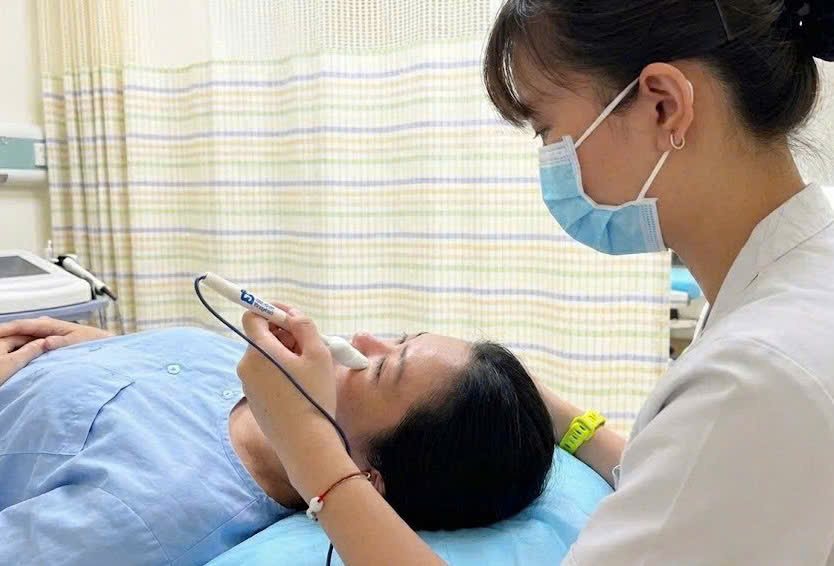 |
Patients with 7th cranial nerve paralysis receive electrostimulation to facial muscles, maintaining muscle tone and restoring movement. Photo: Tam Anh General Hospital |
Doctor Khanh advises diabetics to maintain stable blood sugar, adhere to treatment, and attend regular check-ups to limit neurological complications. They should proactively monitor for unusual facial changes, especially during cold weather or when fatigued. Should signs of facial asymmetry, an inability to fully close an eye, or pain behind the ear emerge, patients should seek prompt diagnosis and treatment at a neurology specialist facility.
Trong Nghia
| Readers can submit questions about neurological diseases here for doctors to answer. |