Doctor Duong Viet Bac, from the Department of Obstetrics and Gynecology at Tam Anh General Hospital Hanoi, states that pregnancy is influenced by factors such as environment, lifestyle, and underlying medical conditions. During fetal development, chromosomal mutations and congenital abnormalities can occur. Therefore, pregnant women need to undergo screening tests and medical examinations.
Blood test
This method analyzes biochemical indicators in the pregnant woman's blood to assess her health and that of the fetus. Through this test, doctors determine blood type, Rh factor, and detect anemia, gestational diabetes, and metabolic disorders. Additionally, blood tests help screen for the risk of chromosomal abnormalities and congenital defects in the fetus, such as Down syndrome, Edwards syndrome, and neural tube defects.
Ultrasound
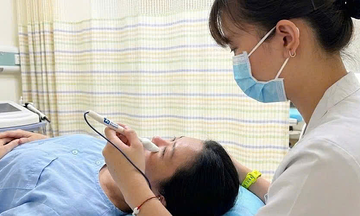
This non-invasive method uses sound waves to observe the morphology and development of the fetus in the uterus. Through ultrasound, doctors can detect many structural abnormalities early, such as heart, brain, and bone defects, morphological imperfections, and other developmental disorders.
Ultrasound is performed periodically at important milestones of pregnancy. Especially in the first three months of pregnancy, around weeks 10-13, doctors measure nuchal translucency – a valuable indicator for screening the risk of chromosomal disorders like Down syndrome.
Double test
The Double test, also known as serum screening, is usually performed from week 11 to 13 of pregnancy. The mother's blood sample is analyzed to measure two main indicators: PAPP-A and free β-hCG. From these, doctors assess the risk of the fetus having chromosomal numerical abnormalities such as Down syndrome (Trisomy 21), Edwards syndrome (Trisomy 18), and Patau syndrome (Trisomy 13).
Fetuses with a high risk of congenital conditions often have hCG and PAPP-A levels that are higher or lower than normal. However, after receiving the results, pregnant women should still combine them with blood test results, ultrasound, and nuchal translucency measurements for accurate conclusions.
Triple test
This test is performed during the second trimester, typically from week 15-20 of pregnancy. The method measures the concentrations of AFP (alpha-fetoprotein), hCG (human chorionic gonadotropin), and uE3 (unconjugated estriol) in the mother's blood to estimate the risk of neural tube defects or other chromosomal disorders in the fetus.
According to Doctor Bac, the Triple test has lower accuracy than the Double test but remains a useful option for expectant mothers who did not undergo early screening or need additional information after previous tests.
NIPT
NIPT analyzes cell-free fetal DNA in the mother's blood to assess the risk of chromosomal disorders including Down syndrome, Edwards syndrome, and Patau syndrome. This method can be performed from week 10 of pregnancy onwards, with an accuracy reaching over 99%. However, NIPT is still a screening test and does not provide a definitive diagnosis. Positive results are often confirmed by diagnostic tests such as amniocentesis or chorionic villus sampling (CVS).
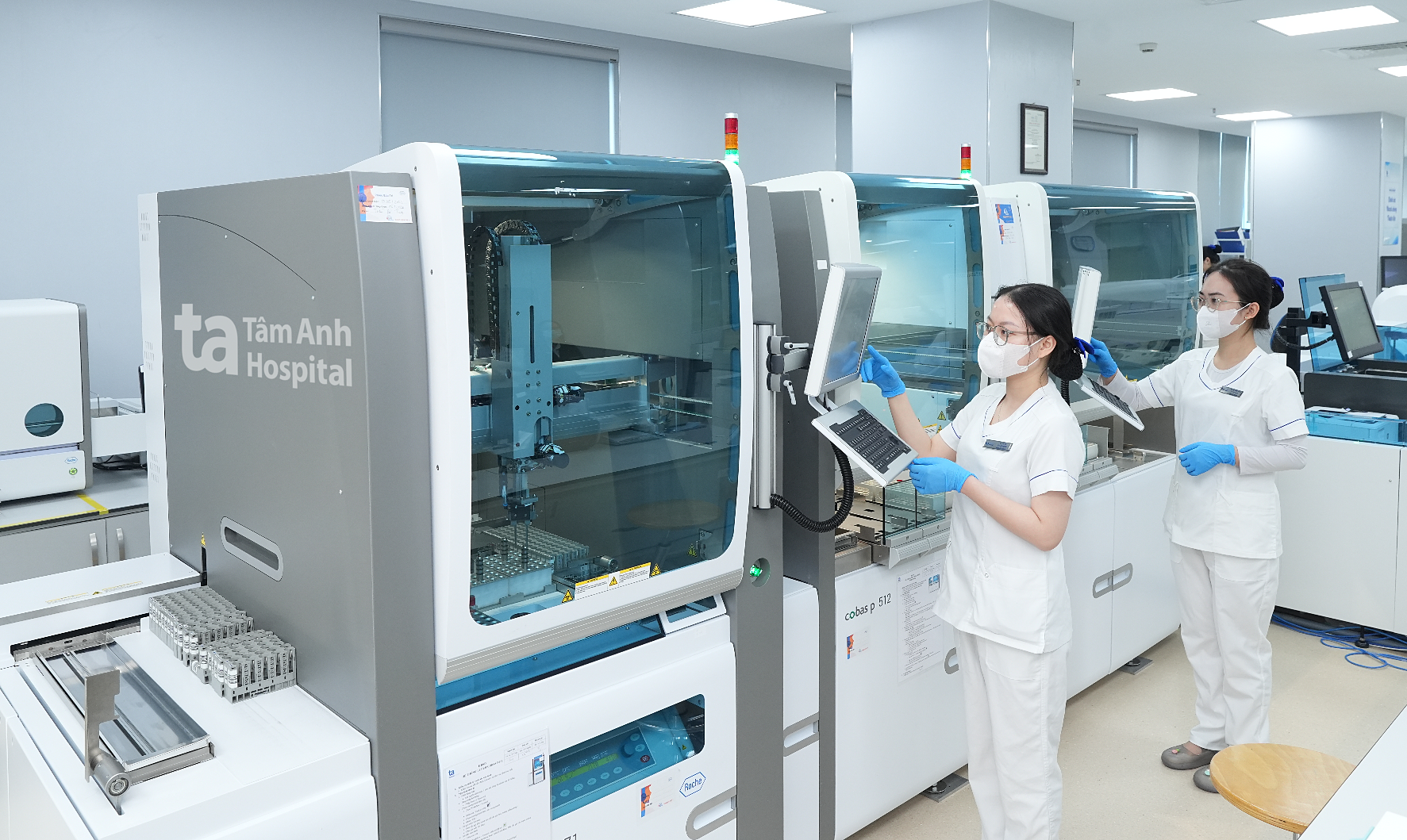 |
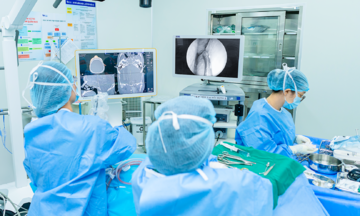
He thong may thuc hien cac xet nghiem sang loc truoc sinh tai Benh vien Da khoa Tam Anh Ha Noi. Anh: Benh vien cung cap
Amniocentesis
Amniocentesis is typically indicated after week 15 of pregnancy when screening tests show a high risk of chromosomal disorders, congenital abnormalities, or when doctors suspect an abnormality. Doctor Bac states that this method provides clear diagnostic results with nearly 99% accuracy. However, due to its invasive nature, amniocentesis carries risks such as miscarriage or infection, so it is only used when medically indicated.
Chorionic villus sampling
Similar to amniocentesis, chorionic villus sampling (CVS) is an invasive test that takes a small sample from the placenta for genetic analysis. This method is performed around weeks 10-12 of pregnancy, allowing for early diagnosis of chromosomal numerical or structural abnormalities before amniocentesis can be performed. Because it carries risks similar to amniocentesis, doctors carefully consider before recommending it to pregnant women.
Group B Streptococcus test
The Group B Streptococcus (GBS) test is performed around weeks 35-37. GBS is a type of bacteria that can reside in the mother's vagina and rectum, causing no symptoms in the mother but potentially leading to severe infections in newborns during or after birth. This test helps doctors decide on a prophylactic treatment plan to reduce the risk of transmission to the baby during delivery.
According to Doctor Bac, all pregnant women need to undergo prenatal screening, especially expectant mothers aged 35 years old and above, those with chronic conditions such as diabetes, high blood pressure, heart disease, lupus, or those working in environments with toxic chemicals.
If expectant mothers contract influenza, measles, chickenpox, mumps, or rubella during the first three months of pregnancy, or if there is a family history of birth defects or hereditary diseases, these tests are also necessary.
Trinh Mai
| Doc gia gui cau hoi ve san phu khoa tai day de bac si giai dap |