Answer:
Chickenpox, caused by the Varicella zoster virus, is a contagious disease. It spreads through respiratory droplets containing the virus from an infected person or by touching fluid-filled blisters. Individuals with chickenpox typically experience fever, fatigue, and an itchy, uncomfortable rash of fluid-filled blisters across the body.
While chickenpox is more common in children, adults face a higher risk of complications and mortality. Pregnant women, with their compromised immune systems, are particularly vulnerable to both contracting the disease and experiencing severe complications. Contracting chickenpox during pregnancy can lead to pneumonia, with a mortality rate of up to 40% if left untreated, and still 14% even with treatment.
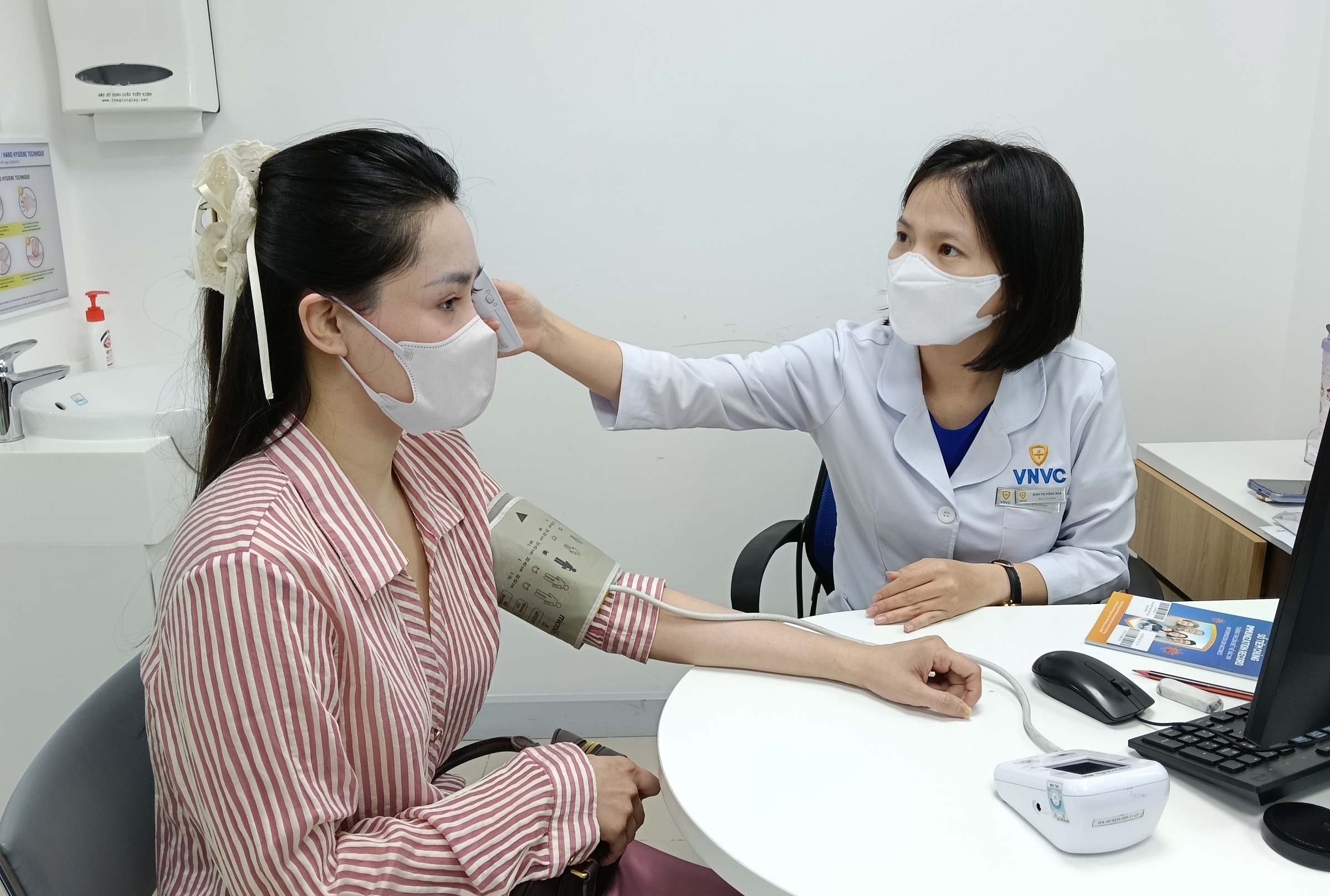 |
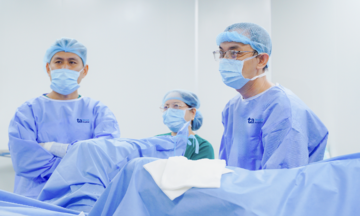
Women receive vaccinations at VNVC Hai Ba Trung. Photo: Hoang Duong |
If a pregnant woman contracts chickenpox during the first three months of pregnancy, there is a 0.4% risk of the baby developing congenital varicella syndrome. This risk increases to 2% if the infection occurs during the second three months of pregnancy. Symptoms of this syndrome include skin scarring, microcephaly, low birth weight, short limbs, developmental delay, and cataracts.
If the mother contracts the disease immediately before or after birth, the infant is at risk of infection, leading to neonatal chickenpox. The mortality rate for these newborns is as high as 25-30%, with a 15% risk of developing shingles within the first four years of life.
Vietnam has recorded many tragic cases of pregnant women contracting chickenpox during pregnancy. For example, in 2022, a 36-year-old pregnant woman in TP HCM lost one child from a set of twins at week 32 of her pregnancy due to chickenpox complicated by pneumonia, acute respiratory failure, and heart failure. The surviving infant suffered multiple organ failure and blood clotting disorders at birth.
Chickenpox is a preventable disease through vaccination. Currently, Vietnam offers both single-dose chickenpox vaccines and 4-in-1 vaccines that also protect against measles, mumps, and rubella, available for both children and adults.
Adults who have not previously had chickenpox should receive two doses. The specific vaccination schedule depends on the vaccine type. Women planning pregnancy should complete both doses at least three months or one month before conception, depending on the vaccine type, to achieve up to 98% protection.
If vaccination is not possible before pregnancy, expectant mothers should maintain personal hygiene, wear a mask when outdoors, avoid contact with individuals showing signs of coughing, fever, or blisters, and ensure a balanced, diverse diet with adequate hydration.
Doctor Pham Dinh Dong
Medical Manager, VNVC Vaccination System
Readers can submit vaccine-related questions for a doctor's response here.