Gastroesophageal reflux disease (GERD) occurs when stomach acid and contents flow back into the esophagus, causing heartburn, acid reflux, food regurgitation, and a burning sensation in the upper abdomen. Some individuals may also experience coughing, hoarseness, or a feeling of a lump in their throat.
Master, Doctor, Specialist Level one Doan Hoang Long, from the Department of Gastroenterology, Endoscopy and Gastrointestinal Endoscopic Surgery Center, Tam Anh General Hospital TP HCM, stated that when traveling, changes in daily routines or food can trigger reflux symptoms. In addition to following a doctor's prescribed treatment, patients should choose suitable foods to better manage their condition.
Fatty foods can slow stomach emptying, exacerbating reflux. When traveling, you should include fish, skinless chicken, lean pork, tofu, and egg whites in your diet. Prioritize preparation methods like steaming, boiling, braising, or grilling with little oil instead of deep-frying or stir-frying with much oil.
Green vegetables, oats, whole grains, sweet potatoes, pumpkin, and carrots provide fiber, vitamins, and minerals. Fiber supports stable bowel movements, benefiting digestive health.
Dishes like congee, bun, and pho should be on the menu to replenish fluids and reduce stomach acid. However, patients should limit oily broths, avoid spicy foods; steer clear of sa te, chili, pepper, and other spices as they can lead to acid reflux and heartburn. Some foods and drinks that trigger gastroesophageal reflux include fatty, fried dishes, chocolate, mint, coffee; caffeinated beverages, alcohol, and carbonated drinks.
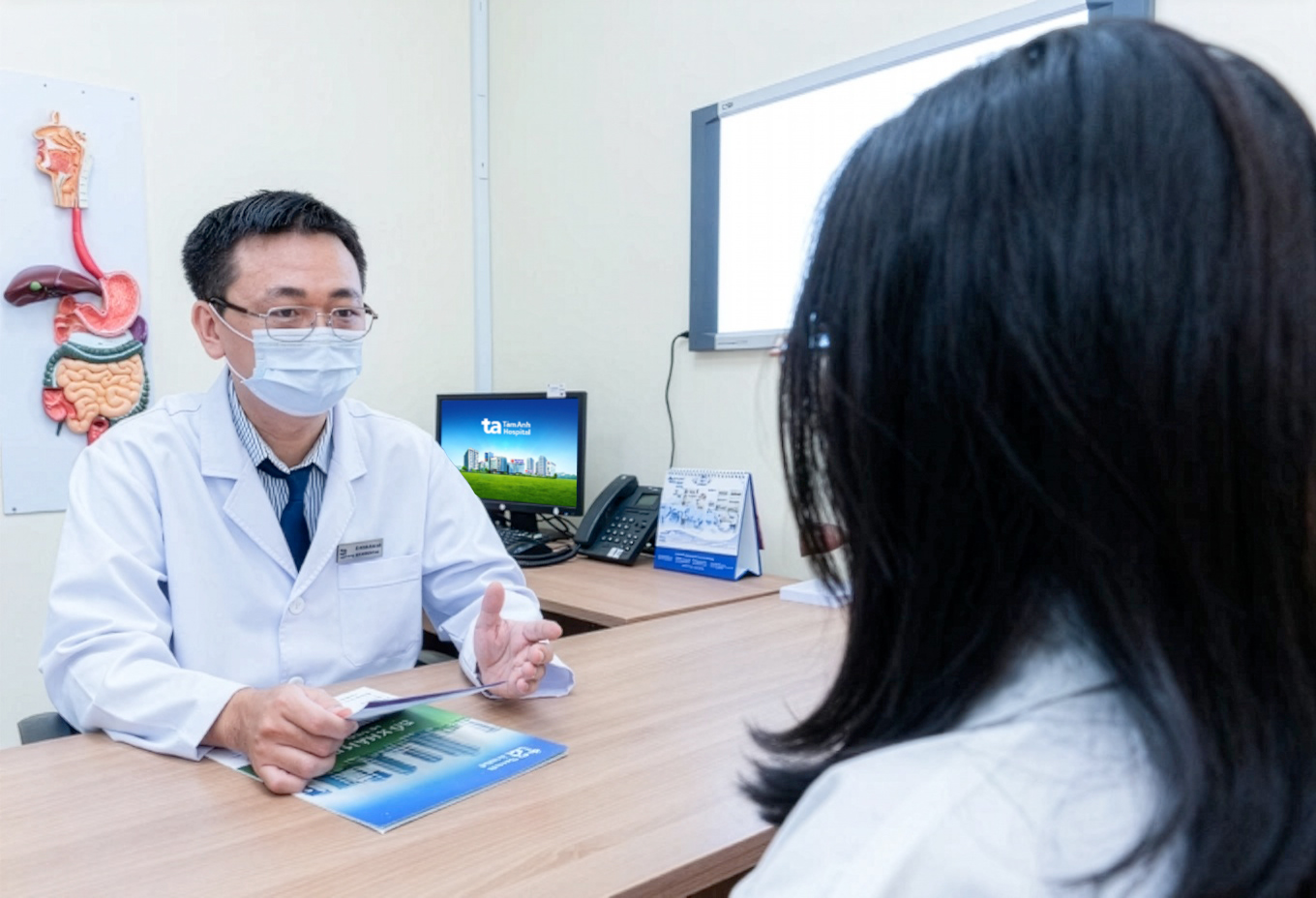 |
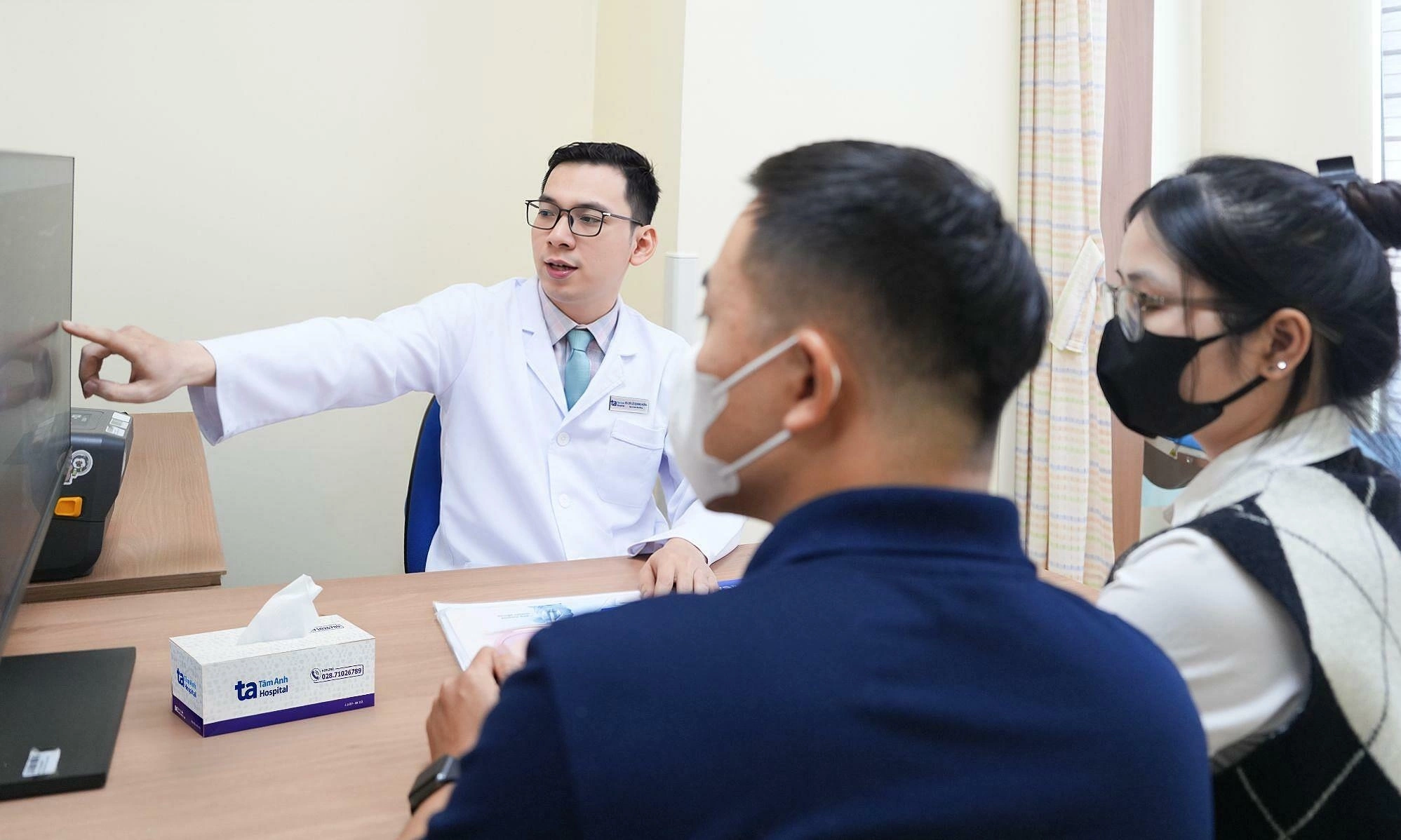
Doctor Long is consulting a patient. Photo: Tam Anh General Hospital |
Doctor Long is consulting a patient. Photo: Tam Anh General Hospital
Bananas, watermelons, and cantaloupes typically have lower acid levels than citrus fruits and may be suitable for individuals with this condition. When traveling, these can be options for snacks instead of pastries, chocolate, or high-fat items. Avoid consuming many acidic fruits such as oranges, lemons, grapefruits, and tomatoes.
Doctor Long noted that besides food choices, eating methods and timing are also important for reflux disease. Patients should eat moderate amounts, avoiding overeating; they can divide their meals into smaller portions instead of consuming them all at once. Maintaining regular meal times, carrying suitable foods, and taking medication as directed by a doctor can help limit recurrence.
Do not lie down immediately after eating; dinner should be consumed about two to three hours before bedtime. Individuals experiencing nocturnal reflux symptoms can elevate the head of their bed.
Doctor Long advised that before traveling, patients should have a follow-up appointment for the doctor to reassess their condition. Symptoms such as difficulty swallowing, painful swallowing, unintentional weight loss, prolonged vomiting, or gastrointestinal bleeding could signal complications, requiring prompt examination and treatment.
Thao Nhi
| Readers can ask questions about digestive diseases here for doctors to answer. |