Fish provides high-quality protein, vitamins, and omega-3, essential nutrients beneficial for heart and brain health. Proper selection and preparation methods help retain nutritional value while minimizing health risks.
To ensure you gain the maximum health benefits from fish, consider the following guidelines:
**Diversify fish types**
According to Verywell Health, individuals should consume a variety of fish to supplement protein, vitamins, and minerals. Fatty fish such as salmon, sardines, herring, and mackerel are healthy choices, rich in omega-3 fatty acids, especially EPA and DHA. These fatty acids contribute to numerous bodily functions and support cardiovascular health.
Limit fish types potentially high in mercury, such as shark and swordfish. Pregnant women, young children, and the elderly should choose appropriate fish to reduce mercury exposure.
 |
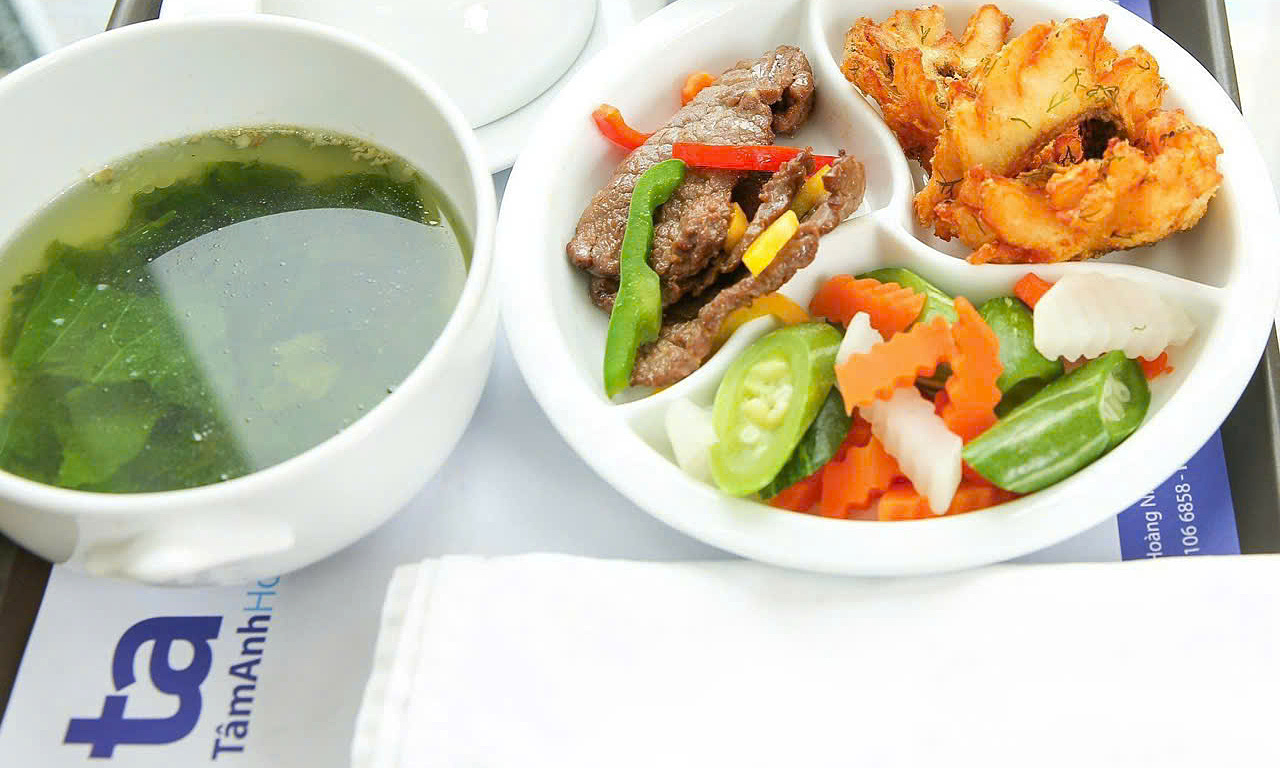
Steamed fish offers health benefits. Photo: Bui Thuy
**Substitute fish for some meats**
Instead of frequently consuming beef, pork, sausages, and cold cuts, families can opt for fish in some meals to diversify protein sources and add omega-3. Combining fish with green vegetables, legumes, and healthy fats helps create a more balanced meal.
**Prioritize steaming, boiling, or grilling**
Steaming, boiling, or grilling fish helps preserve its nutritional value without significantly increasing fat and energy content. Conversely, deep-frying or breading can cause fish to absorb more fat, leading to higher calorie counts. Fish prepared with excess salt, fish sauce, or strong-flavored sauces also increases the sodium content in a serving.
**Avoid raw fish**
Raw fish dishes may be appealing but pose risks of parasitic and bacterial infections if ingredients are not properly controlled or handled. Cooking thoroughly helps eliminate most bacteria, virus, and parasites that may be present in fish, thereby reducing the risk of food poisoning. Young children, the elderly, pregnant women, and individuals with weakened immune systems should exercise caution with raw or undercooked foods, according to EatingWell.
**Limit processed fish**
Smoked, salted, and canned fish often contain more salt than fresh fish. Prolonged excessive salt intake can affect blood pressure and cardiovascular health. Some products also contain added oil and sugar, increasing overall energy content. Processing and preservation methods can also alter some of the food's nutritional value.
By Le Nguyen (Compiled)
| Readers can submit nutrition questions here for doctors to answer |